
Swap Film: made for community, by community
Established in 2016 out of a necessity to minimize the cost of his own personal journey within analog photography, Emmanuel David Blackwell III began utilizing techniques learned at City College of San Francisco as well as skills taught to him by his uncle. What started simply as hand processed film in the bathroom has now grown exponentially to a lab servicing well over 200 photographers in the Bay Area and beyond.
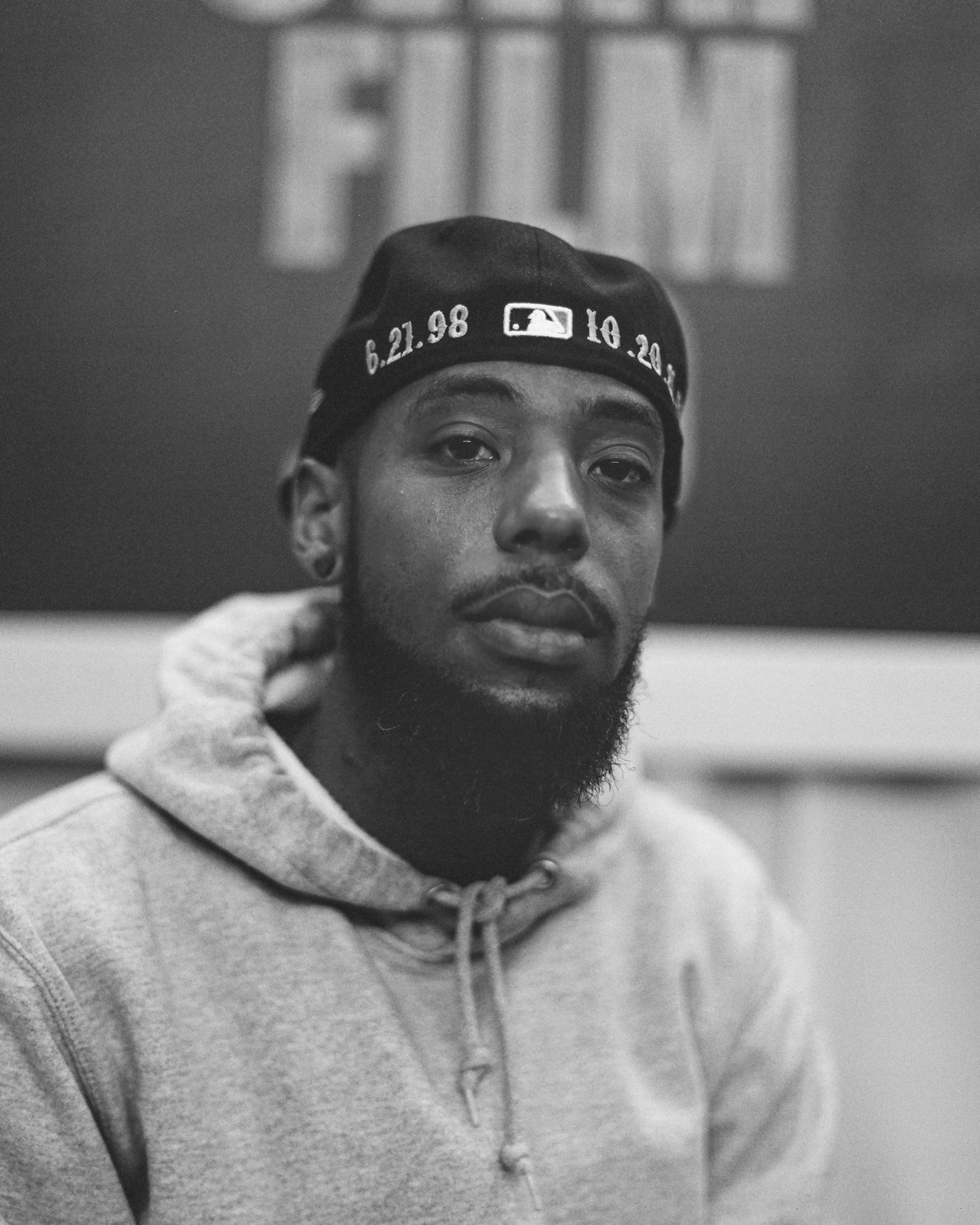
We were lucky enough to visit Emmanuel’s studio and get a closer look at the Swap Film operation. We sat down with him to learn more about his journey with the business and the values behind his project.
portrait by Erik Poppen
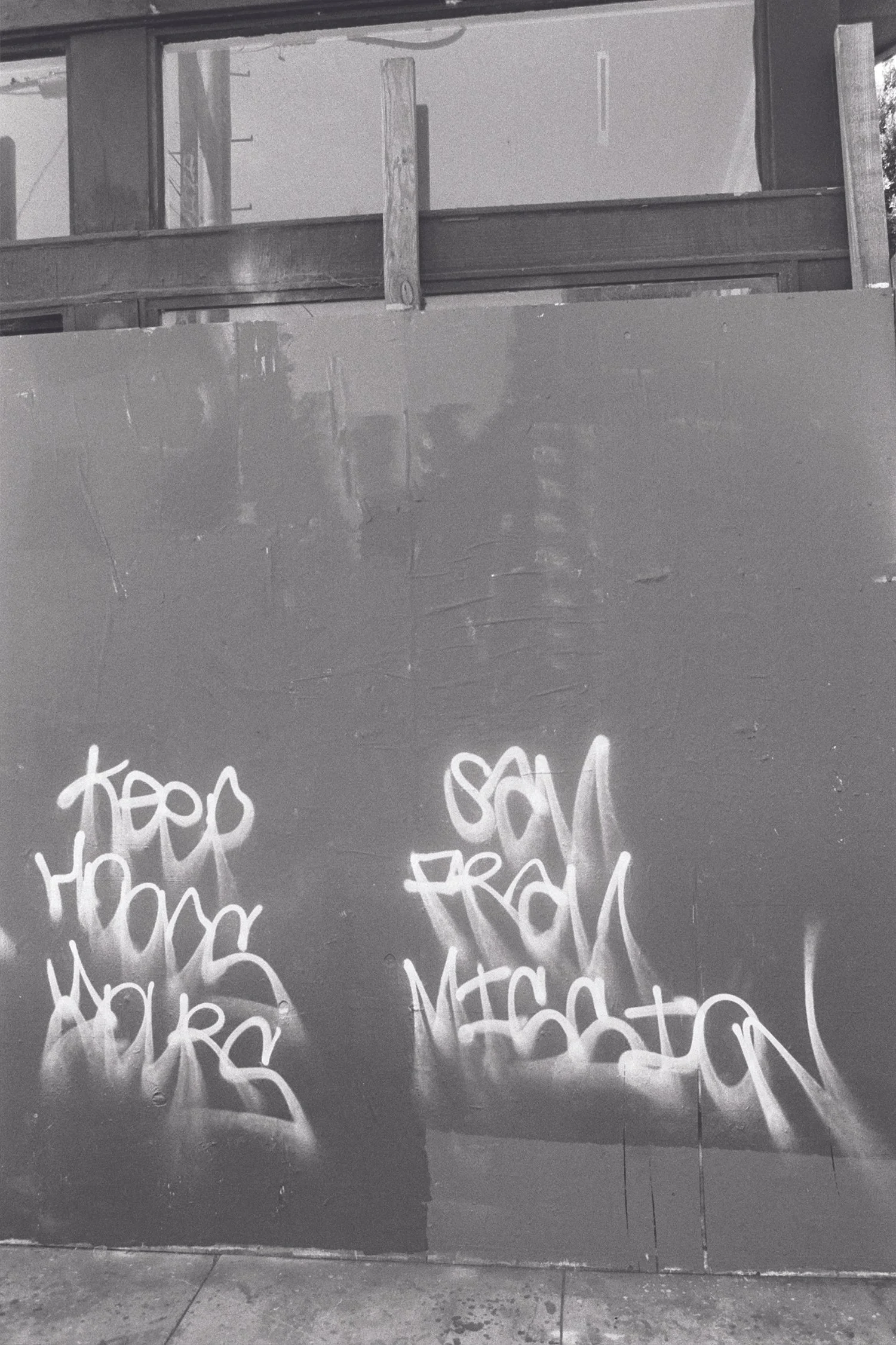
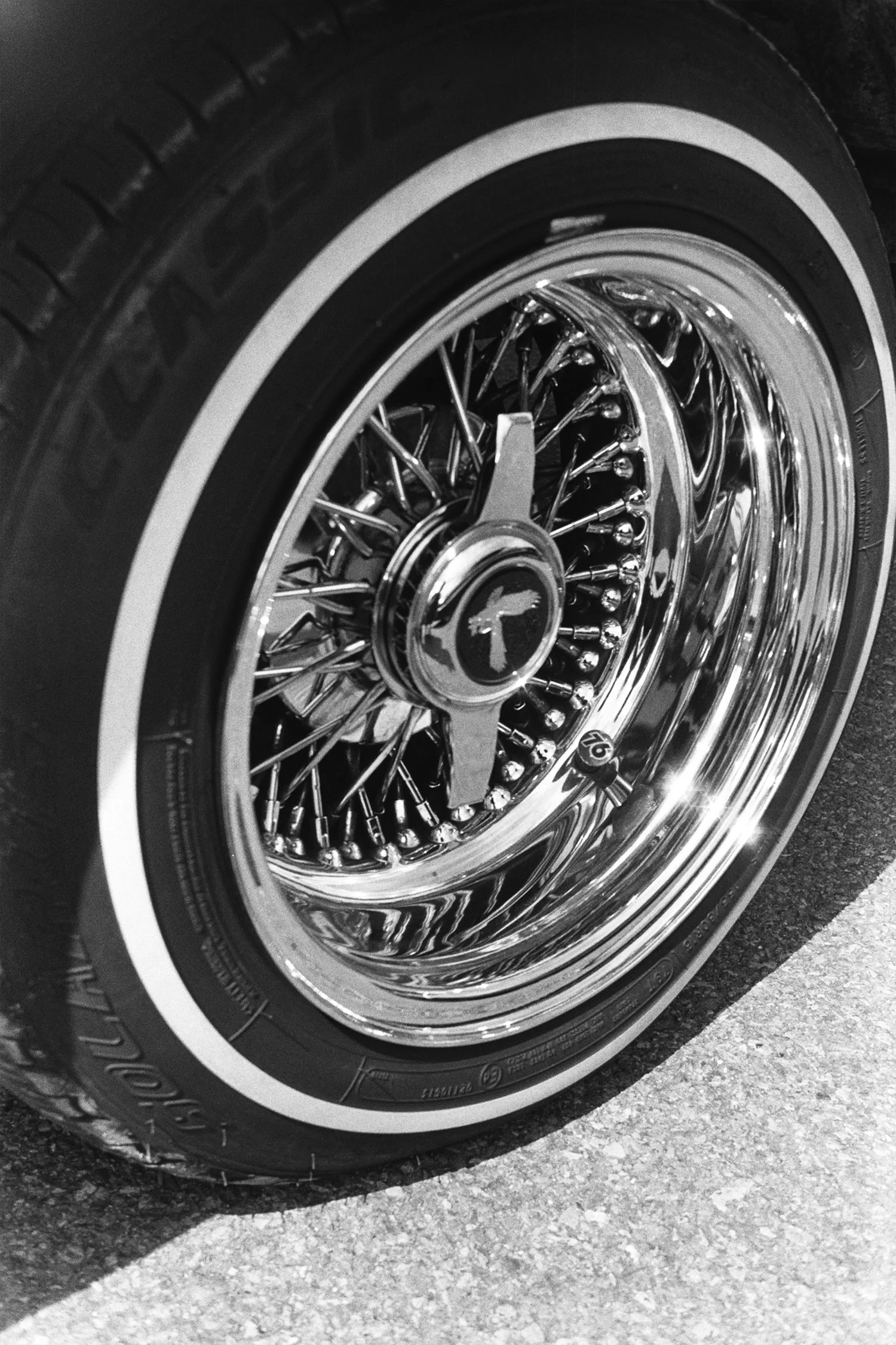
Swap Film images by Emmanuel David Blackwell III

Can you tell us a little more about how Swap Film came to be? Sure. I would say the origin of Swap Film can be dated back to 2010 when I was taking every photography class possible at City College of San Francisco. At the time I was also receiving a lot of creative support and encouragement from my Uncle Brian (who is the family photographer on my Mother’s side of the family) to pursue my growing interest in the taking and making of photographs—both analog and digital. Occasionally on the weekends I would visit his house in Oakland and he would teach me techniques and concepts that ran concurrent with my studies at City. Before I had access at City College, my uncle would set up an enlarger in his bathroom and guide me through printing in his makeshift darkroom for my class assignments. Additionally, he showed me alternative processes that I wasn’t being taught, things like: on & off camera lighting, matboard cutting and bulk loading film just to name a few. The latter has become the foundation for running Swap Film today. 2016 was around the time when I felt comfortable and compelled to make something out of the concept that I had been bouncing around in my head. At that point it was just offering film and lab services to friends. When you first start processing film (and even now) errors get made. This made me a bit weary of promoting myself to people at large but I told myself, “I’m just gonna start doing this for people and see where it takes me.” It was completely a passion project at the time, I was juggling a couple jobs and processing film when I found time. In the beginning it was really small scale, I had about a dozen friends or so who were like, “Sure. I’ll get film from you if I need it.” At that time, film was less expensive, so there was less of an itch I could help people scratch. Fast forward two years and I get the opportunity to have my first pop-up experience at DSPTCH (now known as SYSTEM) on Valencia Street. I installed photos of all sizes, posters and stocked the shop with boxed rolls of bulk loaded film. There was an opening reception for the gallery where I also sold zines, cameras and conducted a raffle. The turnout was incredible and that night provided an indication of what was possible as long as I stayed consistent and willing to be of service to this growing community of photographers. Riding the success of the pop-up at DSPTCH, things began to steadily grow pretty organically. Once the pandemic hit, there was a huge need for what I was doing because no labs were open. Everything retail related was closed. Supply chain shit was a disaster. There was so much uncertainty about the state of the world. No one knew anything. I didn’t know if the labs were going to open again, so I leaned in and used that as an opportunity for me to introduce the membership service, and I'm still kind of taken aback by how much that's grown over the course of the past couple of years.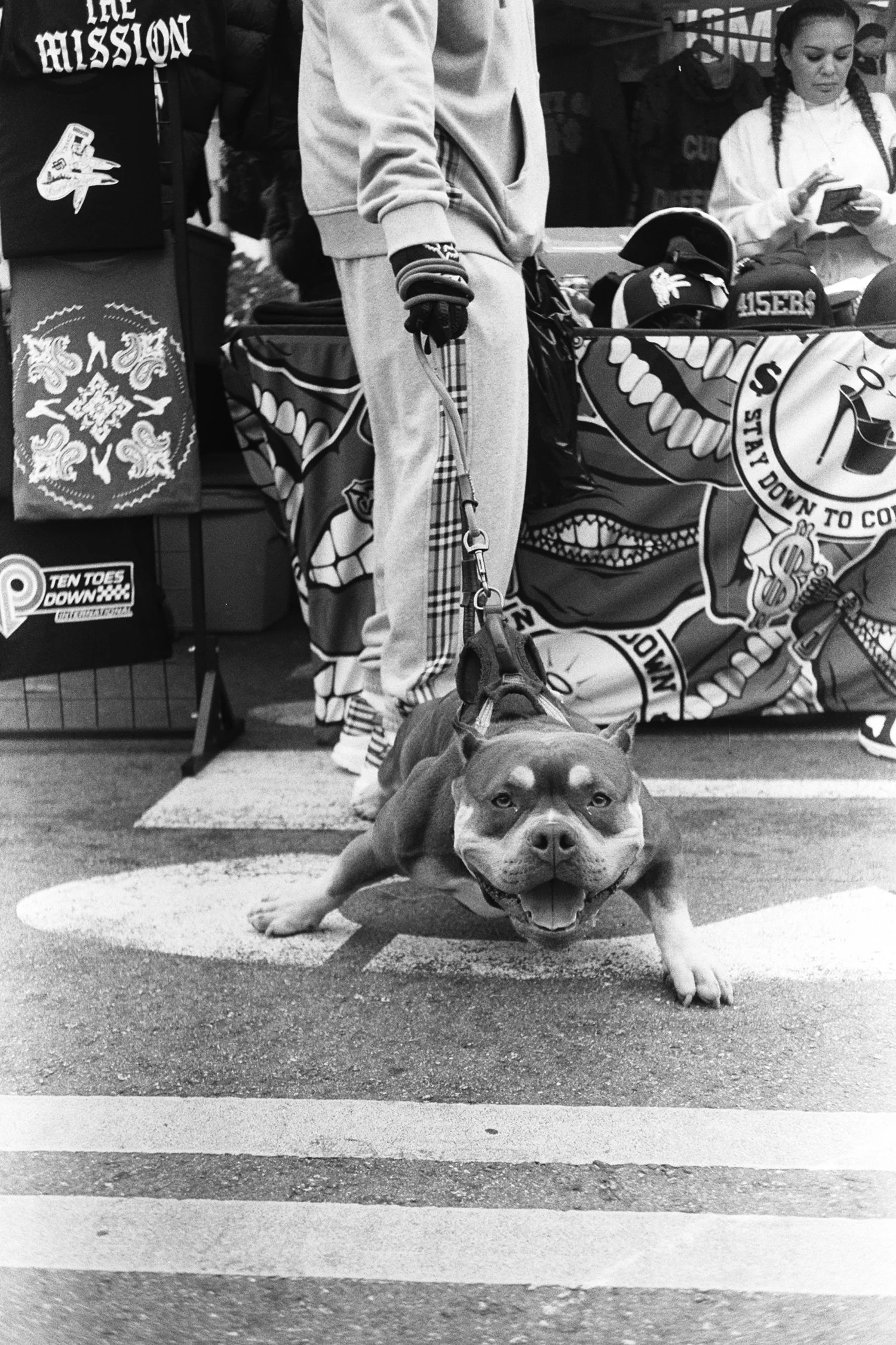
You’ve really built a strong community around your film and this project. What does the support of the community mean to you and does it help motivate you to keep going?The community is everything. 100%. It weren't for my newfound friends that trust me to process their film, I wouldn't be able to do this shit. It's a necessity. I rely on them heavily and I'm inspired by them. I don't get to do it as much because the volume of film that I'm processing has increased, but I really, really enjoy just looking at photographs and being able to review a lot of images. I find constant inspiration in seeing people progress as photographers, too. People join early and they have fewer technical skills, or they’re only using point and shoot cameras, but they keep at it or they get their hands on an SLR and you can really see someone develop and identify their own style. To circle back a bit on my days at City College, I remember my professors really pushing for me to get an SLR camera as it just provides more control and connection to what you’re photographing—I inherited my first SLR from my Uncle and my passion for photography took off. It’s a trajectory that I can relate to and I think that's really, really incredible. I feel really privileged to be in the position that I'm in, too. Having so many people trust me to help them kind of bridge a gap between conceptualization and actualization. I don't take that lightly at all. I find a lot of importance and purpose in what I'm doing. It's really challenging being an entrepreneur, but I feel fulfilled daily thanks much in part to the support that I receive from the community. 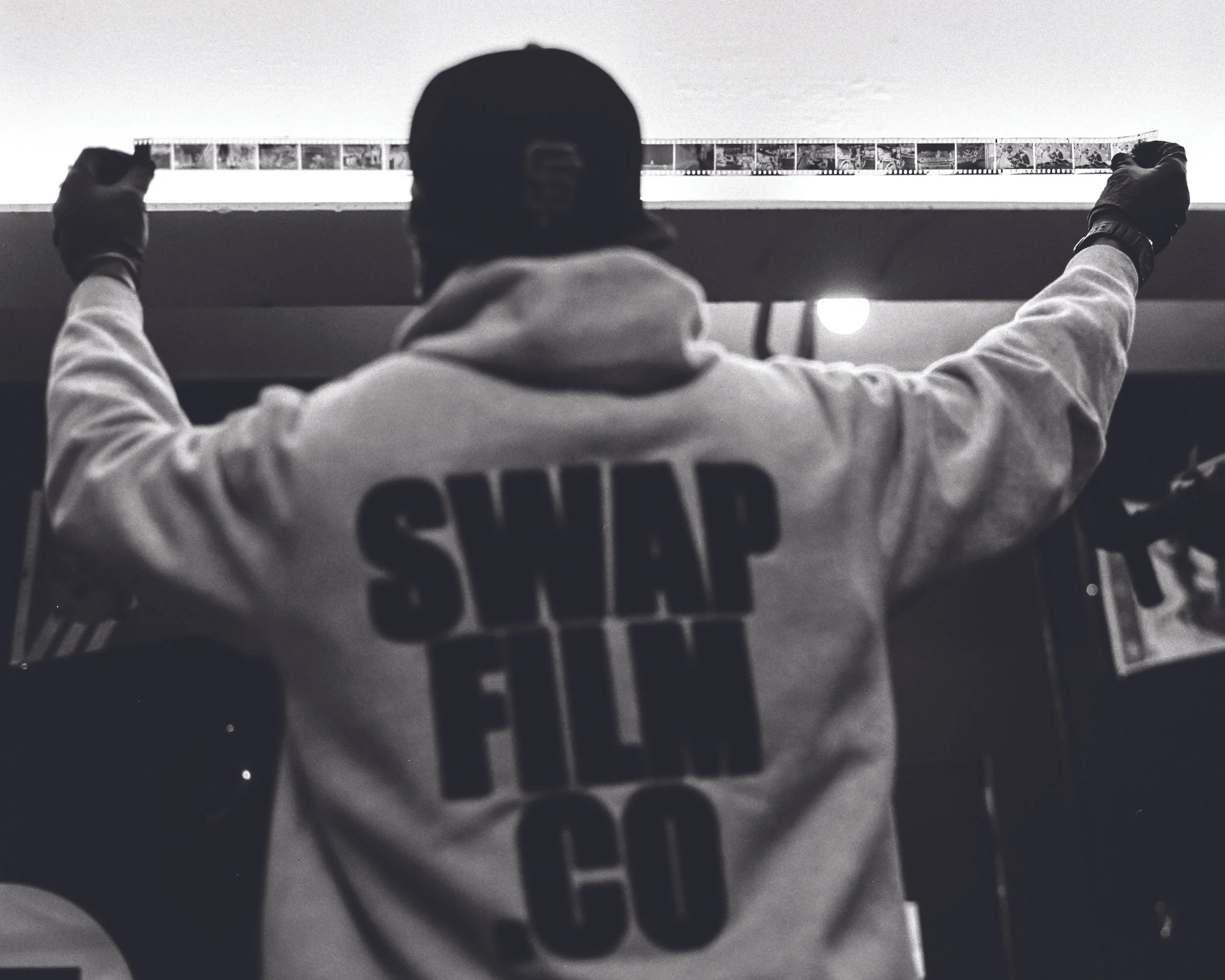
What are the biggest challenges when it comes to running this kind of business?I would say the biggest challenge for me has been balancing output while embracing the growing pains of entrepreneurship. I’ve been able to kinda control the scaling of the business by keeping everything as organic as possible but starting, running, owning and operating a business all by yourself can be overwhelming. Staying ahead and in front of an ever growing workload can be a daunting task, especially when the success of the business is directly connected to the quality of service. Finding creative ways to keep introducing new ideas to Swap and not having it just stay one rigid thing, you know? I feel like when I first started it, I was mainly just processing, scanning and providing film for people—which is still the bread and butter of what I do—however, now that Swap has grown exponentially, I have to find ways to innovate and have a wider reach and larger impact. Every day is a challenge as an entrepreneur and every day presents a different set of obstacles. I’m embracing it all while not forfeiting things that mean a lot to me. I’m just kinda learning as I go along.I don't want to just become some crazy capitalist either, but I would like for my business to be incredibly successful. I mean, why else would I invest so much time, put forth so much effort and hemorrhage so much of my own money? I’m lucky enough to be doing what I love and want to be considered as a genuine individual who is able to find the balance between scaling the business and supporting the people. Not losing sight of both of those things that are equally important to the overall success of the business. Again, I wouldn't be here without the people that support me, so satisfying them is always in the front of mind. It's a delicate balance. 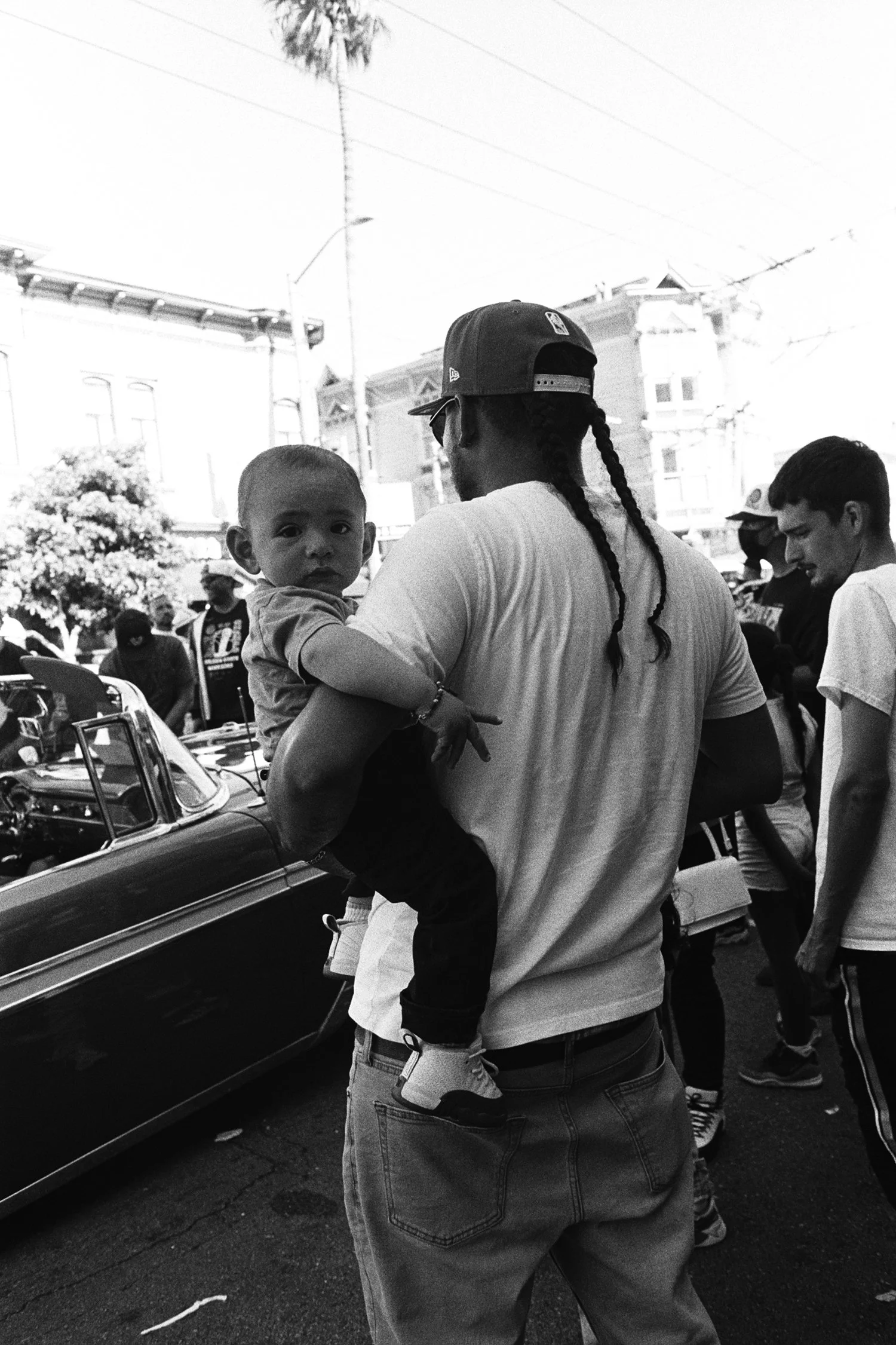
Each member gets one roll at a time, this one special roll. It highlights the intentionality and need to be decisive in what you're choosing to photograph. How does this aspect of the membership reflect the values of the project as a whole?If you know me, you know that everything I do in life is incredibly intentional. So it’s only appropriate that everything that I'm doing for the company that I have built is done with supreme intention. It’s a testament to my fanaticism over photography. I’m literally doing EVERYTHING by hand because I am obsessed with photography. Cutting, sleeving film and all the information on the envelopes that contains folks’ negatives is all done by hand. All the packaging and boxes of film are traced, scored, and constructed by hand. The bulk loading of the film is done by hand. Processing and scanning hundreds of rolls a month all by hand. I do everything partly because I’m crazy but also because I care so much about putting intention into things. The Swap membership at its core is about promoting and encouraging those who participate to shoot a lot so they can improve on their ability to navigate the medium of photography. It’s also about knowing and identifying how you get better. You get better by practicing intentionally and by making the decision to do so. You don't get better at anything by just aimlessly putting time into things, you have to set a path for yourself and embark on the journey. Intentionality is definitely something that I value highly, and by now I like that it's kind of become synonymous with what I'm doing. 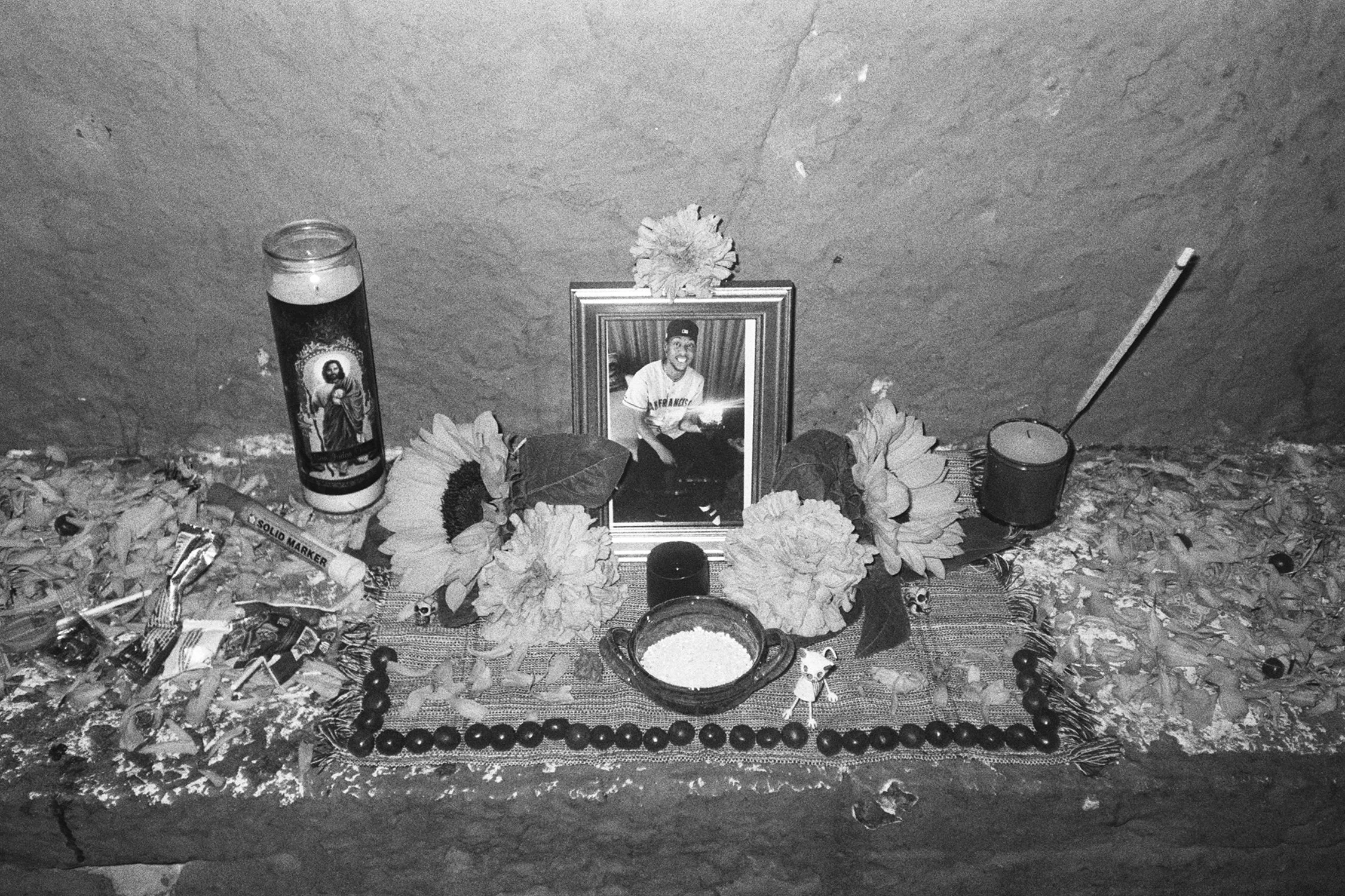
originally published in PRINT IN THE ALTERNATIVE ISSUE #6, SEPTEMBER 2023