
INTERVIEW: KARI ORVIK
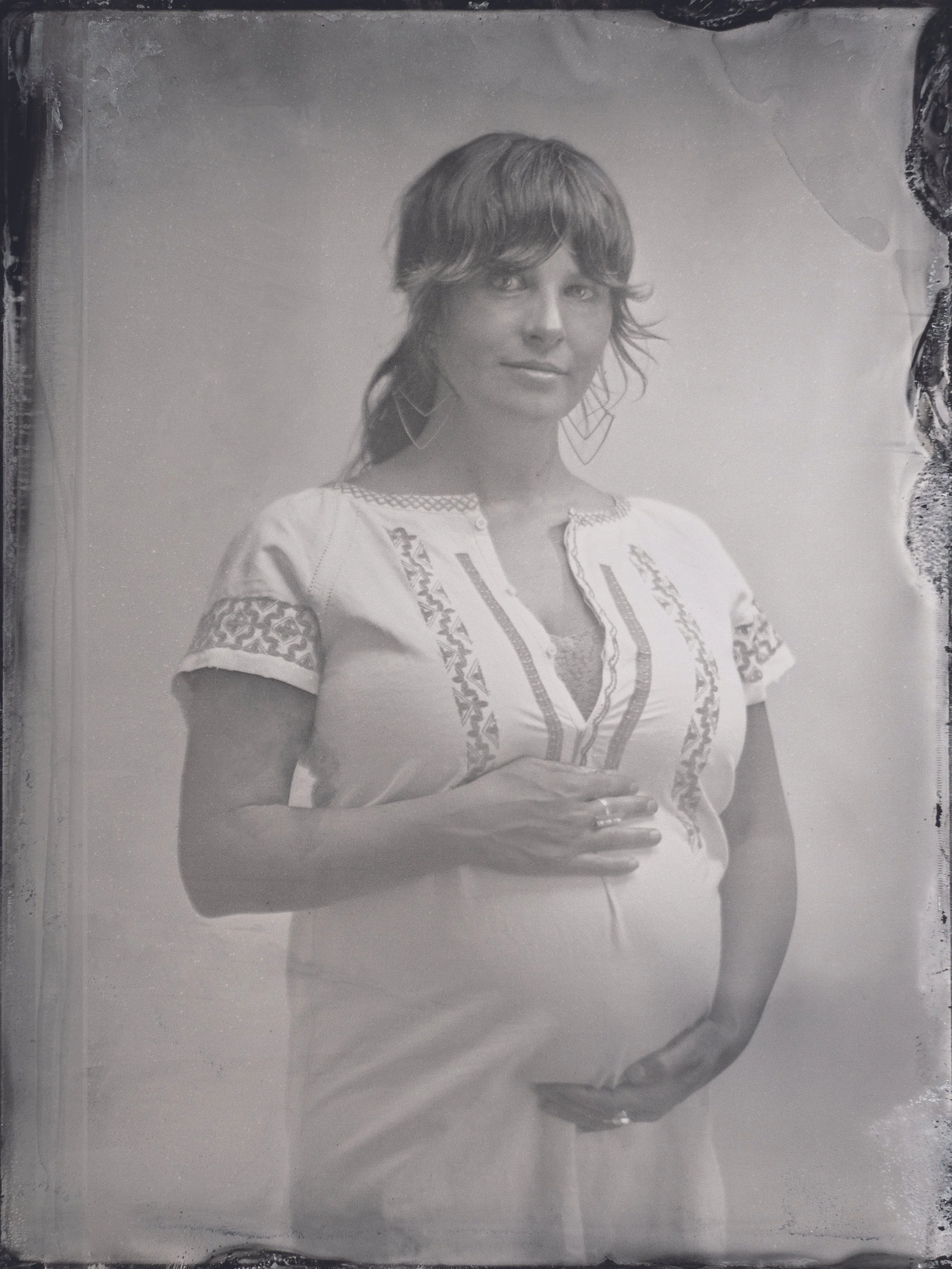
Kari Orvik is a photo-based artist and educator. Using physical engagements with film, historical processes and found materials, her work explores the resilience and fragility of our changing urban environment through the lens of what we hold onto, what we let go of, and where we place value. She has shown at the Oakland Museum of California, the Petersen Museum in LA, SF Camerawork, and is in the collection of the Berkeley Art Museum. An artist in residence at Recology SF, Rayko Photo Center, and graduate fellow at the Headlands Center for the Arts, she currently teaches photography at Stanford University.

Can you describe how you came to discover photo-based processes as your artistic medium, and your journey with the tintype process specifically, and making portraits? In my early 20’s, I worked in social services at a low-income residence (SRO) in SF, while taking night photo classes at City College. Several residents passed away during this time, and often we would search for even a dark or blurry Polaroid to remember them by. From my photo classes at CCSF, I realized I could offer formal portraits to the residents for their own use, as a record and a remembrance. This is how I became a photographer, and also how I knew I wanted to eventually have my own portrait studio. When everything switched to digital, I took a workshop in wet plate at Rayko Photo Center with Michael Shindler, and after working with him at PhotoBoothSF, which closed in 2014, I opened my own tintype portrait studio in the outer Mission. I love not knowing who will show up to be photographed, meeting people where they are at, and making portraits that are not always meant to be shared, but which still keep a record. 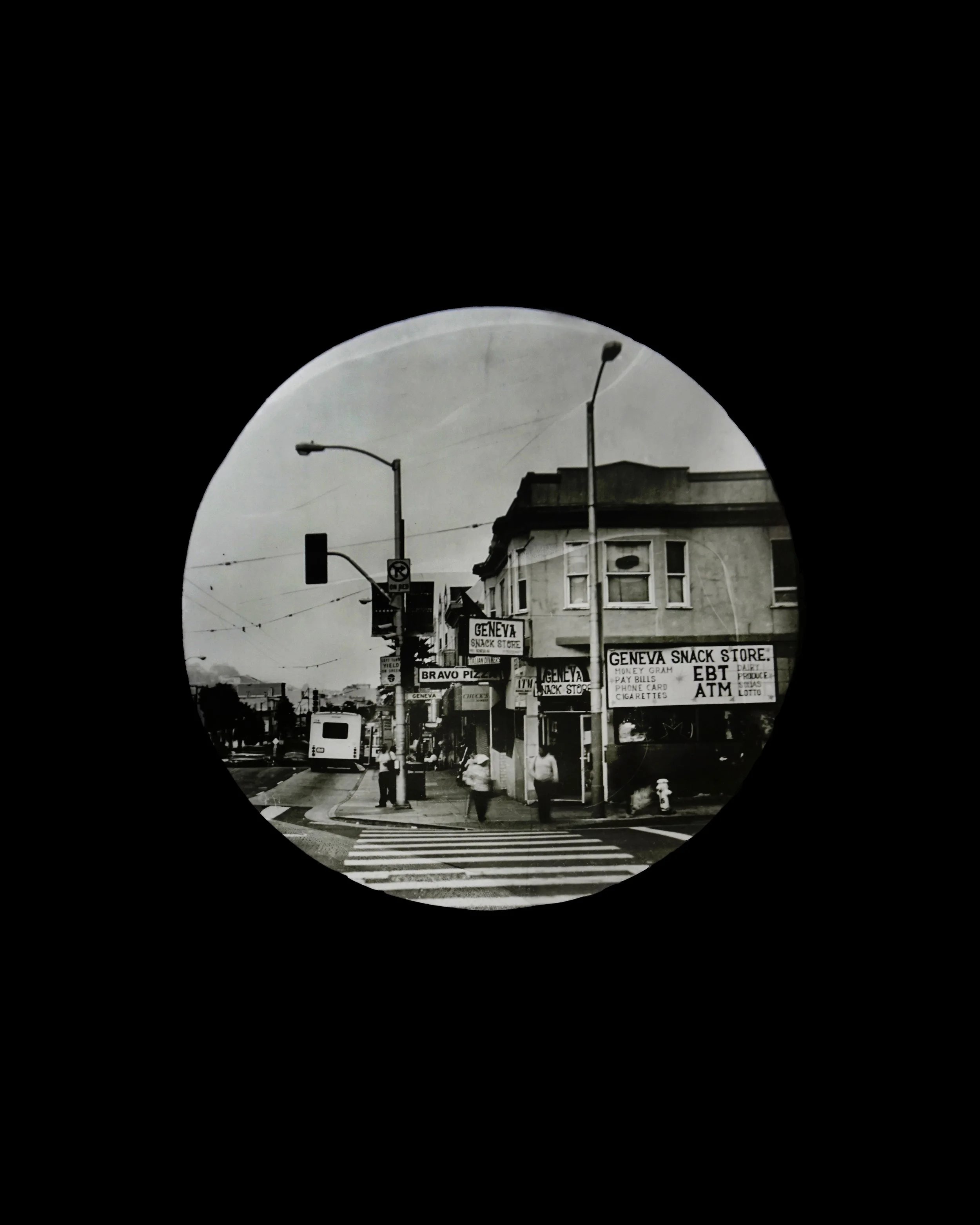
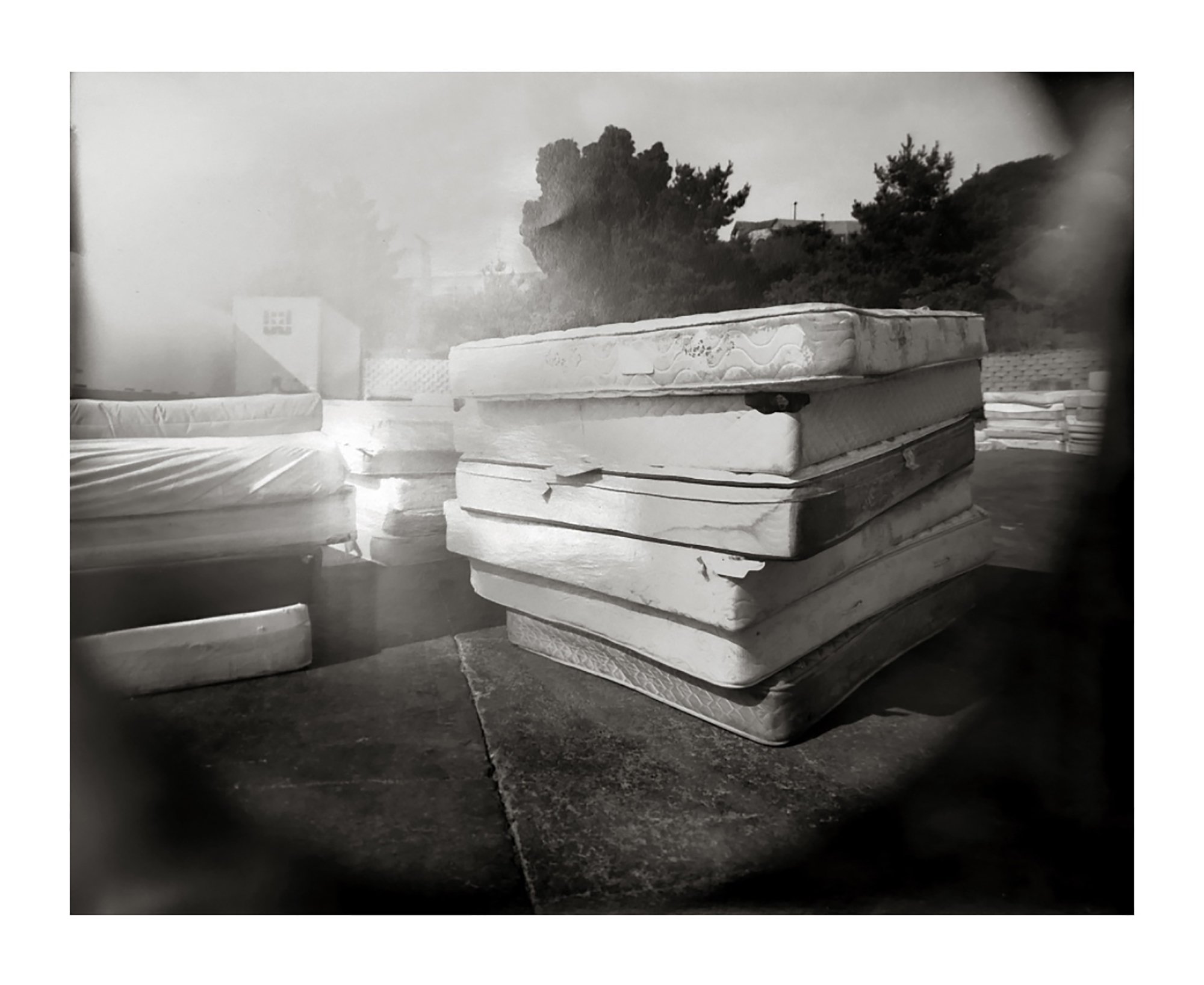
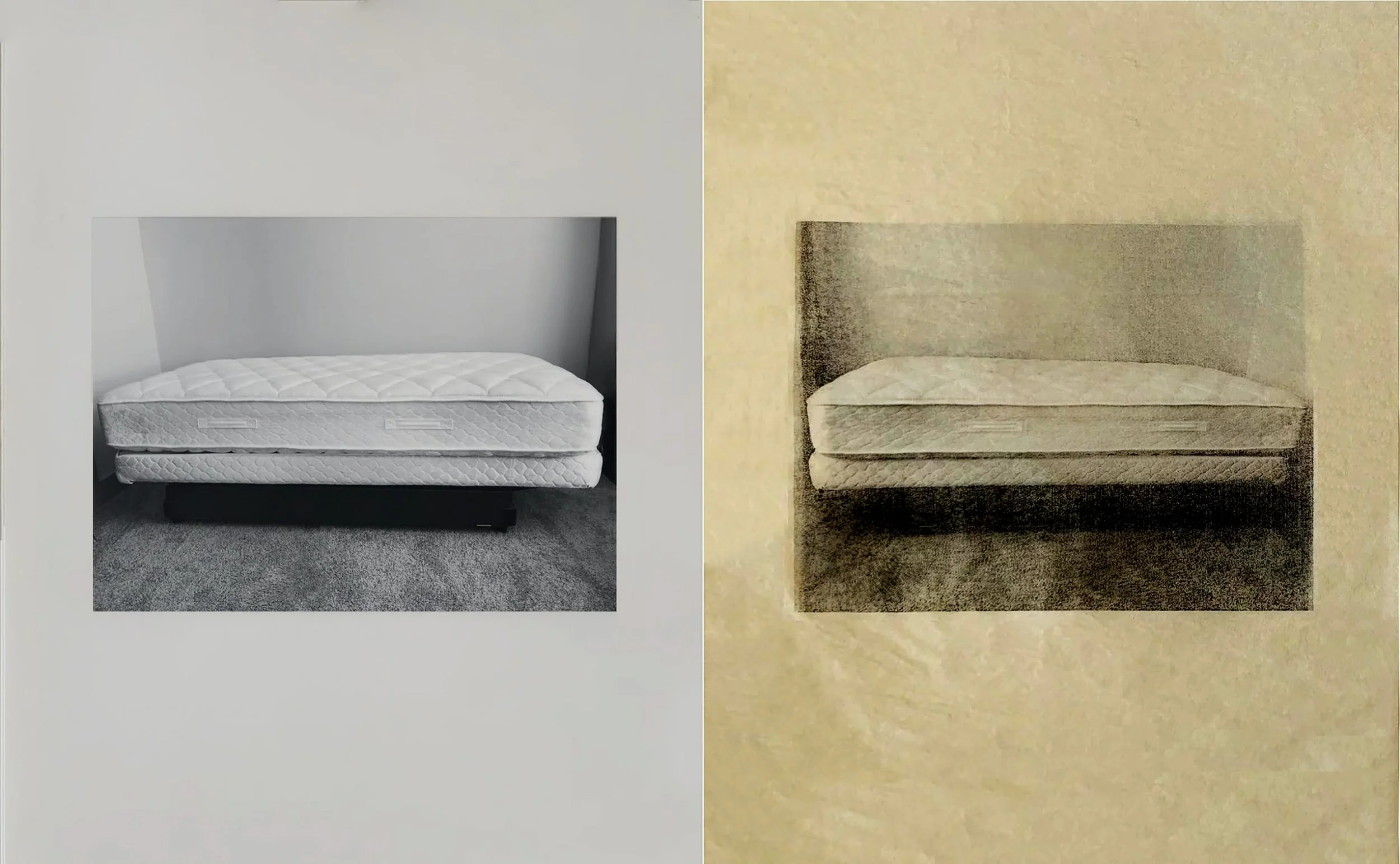
What draws you to film and found materials? Can you touch on your residency at Recology SF (the dump), and how that experience influenced your artistic practice?Similar to my approach to portraiture, I’m interested in the way that stories, people and objects are present and inevitably disappear. My work across photographic media explores how materials and processes can point to a simultaneous presence and absence through the properties of positive and negative – this is why the wetplate process and paper negatives/positives interest me in particular. The residency at the dump allowed me to experiment in all those different ways. Using discarded chemistry from Household Hazardous Waste, I built a 16x20” camera to explore the landscape of the dump. Something that stood out were the sea of old mattresses, which are meant to eventually disappear, and which, in the meantime, created their own landscape at the dump. I made paper negatives in the 16x20 camera of these mattresses, which I called ‘negative landscapes’. They were there, but not there. Less than a year after the residency, I made another photo of a mattress, which was of my mother’s mattress to be picked up for a craigslist ad, while I was emptying her apartment after she had passed away. Suddenly this particular image of a mattress became a much more personal symbol of absence and presence, and I started experimenting with other printing processes to explore this theme.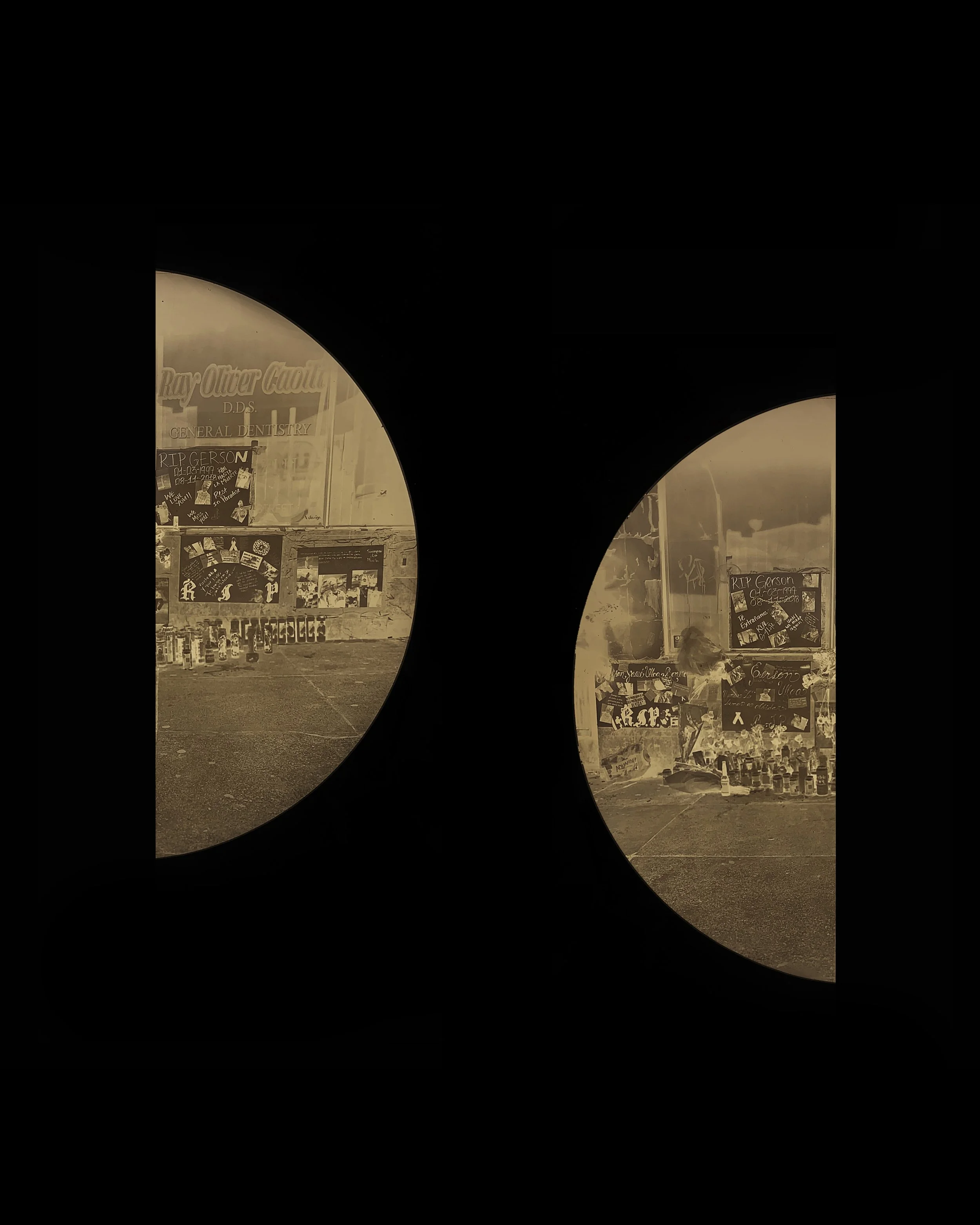
You've been an educator at so many great institutions, has your experience teaching evolved or played a role in your personal work?Teaching is also part of what keeps me inspired and always learning. I love exposing students to work they haven’t seen before, and vice versa. Creating a safe environment for them to test out their ideas and support one another is always an important reminder to do the same for myself and my community. There are millions of photos already out in the world, but not specifically from their point of view, so I encourage them to tune into their experiences and ideas, to create a safe space in their own minds, in order to make room for themselves in a visual world.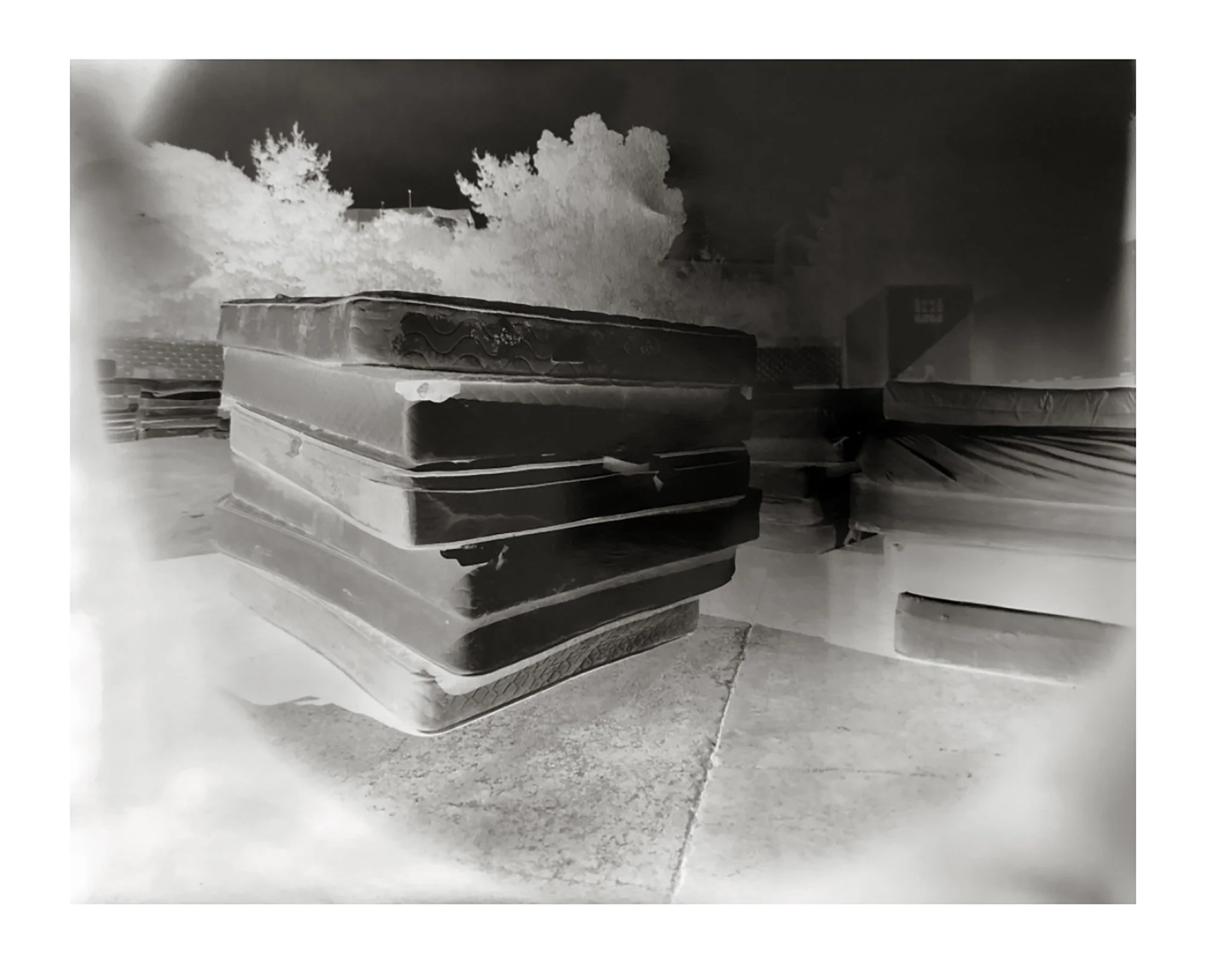
Who or what is currently inspiring you?I guess I’m inspired by anyone who isn’t jaded (especially in the art and photo world :), and who is still moving forward towards what they love and by what turns them on, regardless of their own doubts or fears, or some institutional approval. Experimentation (with materials, color, movement, place, or ideas) is always a part of keeping inspired in my own practice, whether it’s at an actual residency or just in my studio or home. 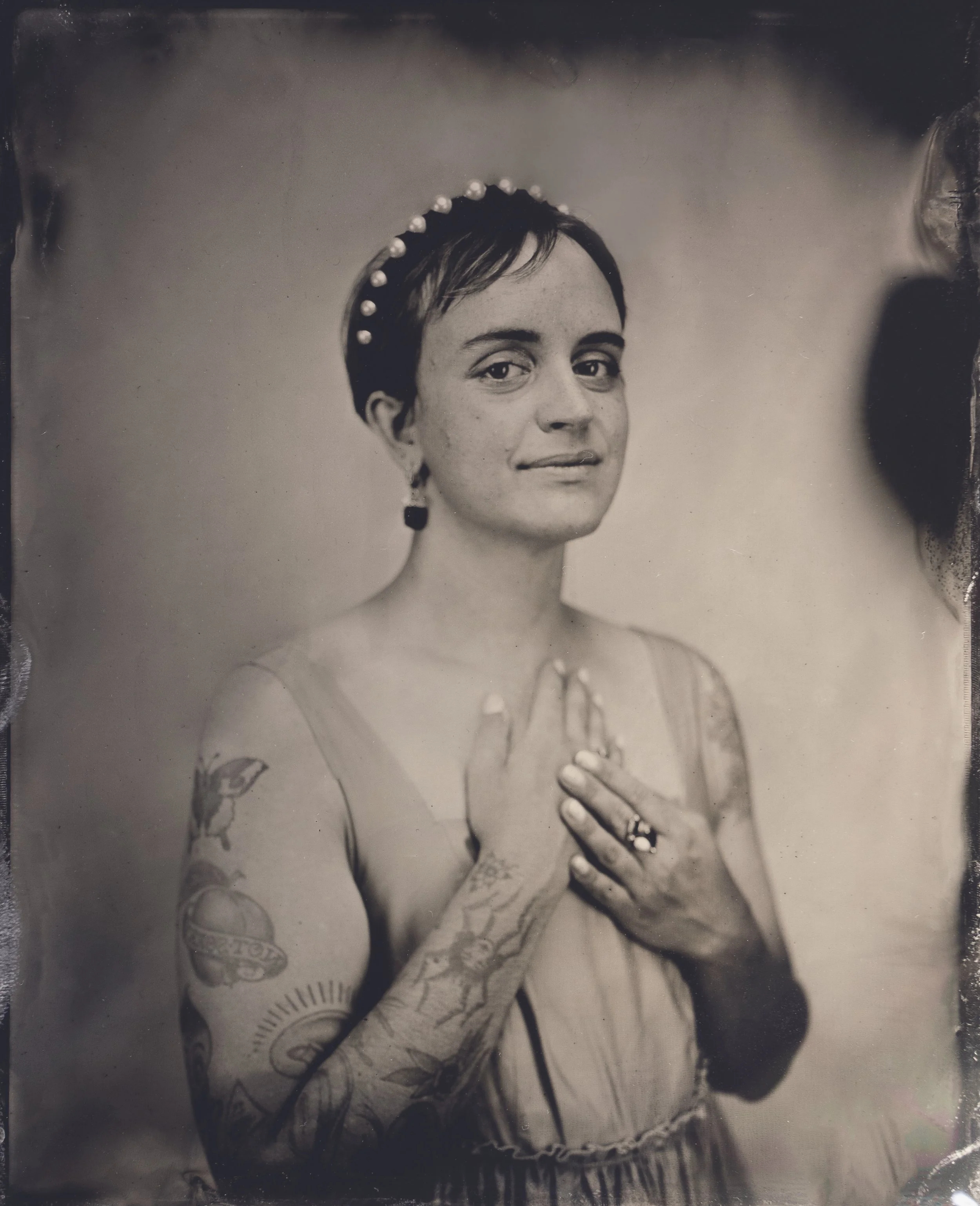
originally published in PRINT IN THE ALTERNATIVE ISSUE #6, SEPTEMBER 2023
INTERVIEW BY NORA LALLE