
INTERVIEW: ERINN SPRINGER
Erinn Springer is a photographer based between Menomonie, Wisconsin and Brooklyn, NY. Embracing the character of rural life, her work is inspired by the cycles of the land, memory, and mortality.
Can you tell us a little bit about your journey with photography, how you approach each project and your favorite tools to use?

I grew up in the country outside of a small town of 1,000 people, and from a young age, my primary goal was to travel. I studied graphic design and also considered doing journalism, but ultimately, realized that I prefer communication through visuals, not words, so photography made a lot of sense. My process is still evolving, and probably always will be, but the most fulfilling work has come from following a sincere curiosity about something or someone in my life. As for tools, I rely on my car and camera(s) and the stamina I get from filling up on sources of inspiration, which can mean chats with friends to keep me uplifted in a largely solitary process, and/or great books and learning about the work of other artists.
You shoot a mix of film and digital. Can you describe why you choose film for certain projects and not others?If I’m stuck creatively, I need mental freedom to experiment without consequence, so I use digital. If I feel a concept or moment is more clearly defined, I will shoot film. Digital is also necessary depending on the environment… Super low light, for example, or extreme weather conditions will require a digital camera. There’s an undeniable magic with film that I’m completely enamored by, so my first inclination is always film, but I use whatever I feel it takes to get the best picture. You recently published your book “Dormant Season” which documents your family, friends and neighbors in rural Wisconsin where you are from. Can you tell us a little bit more about how this series and book came to be, and how it feels to have your work published in this form?I moved away from Wisconsin when I was 18 and lived in New York and abroad until I was 28. I had spent my young adult life searching for meaning in new places and new people. In 2019, my brother-in-law died by suicide during one of the coldest winters in Wisconsin’s recorded history. I spent a lot of time at home with my family, not making pictures, just grieving. This loss in 2019 and the following year’s pandemic and general political unrest prompted me to return to my childhood home to make pictures. I worked on this series in the fall and winter for 3 years and found it to be a very difficult, but meaningful, process. There were all these parallels between the exterior world and my interior emotions, and the changes that were occurring both within my family and within the region. The book is only a small edit of the otherwise overflowing experience, but it feels like a container and messenger of my emotions.
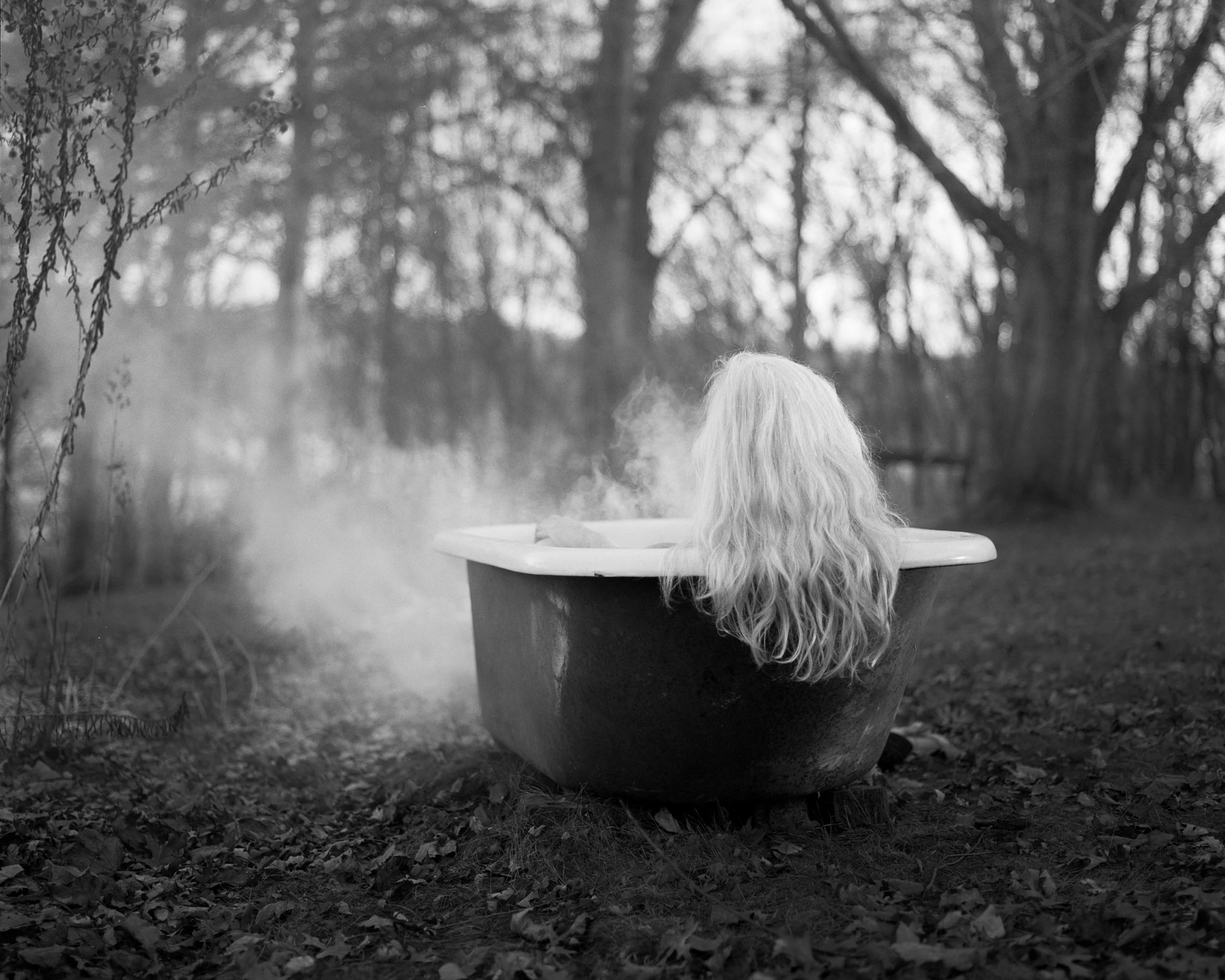
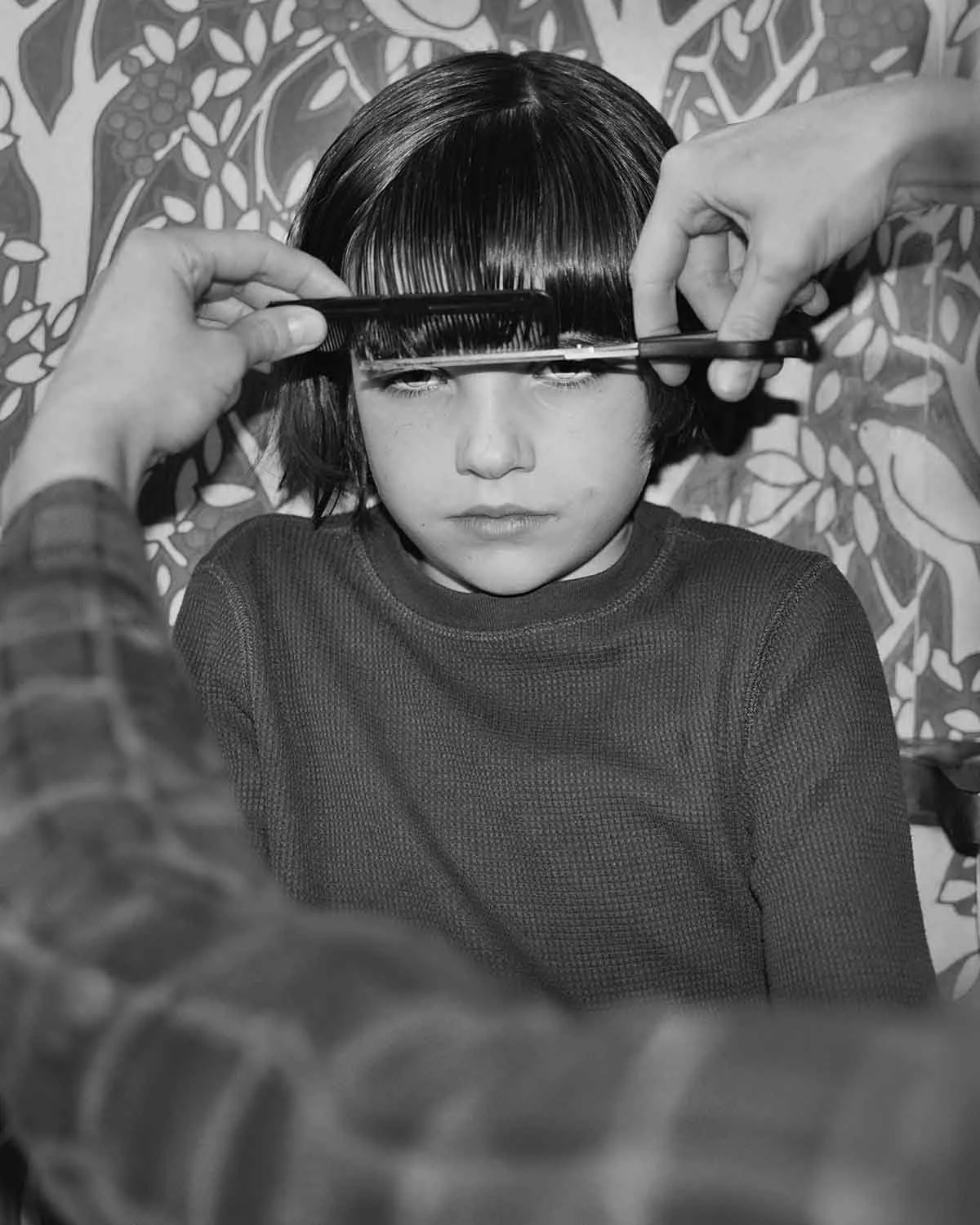
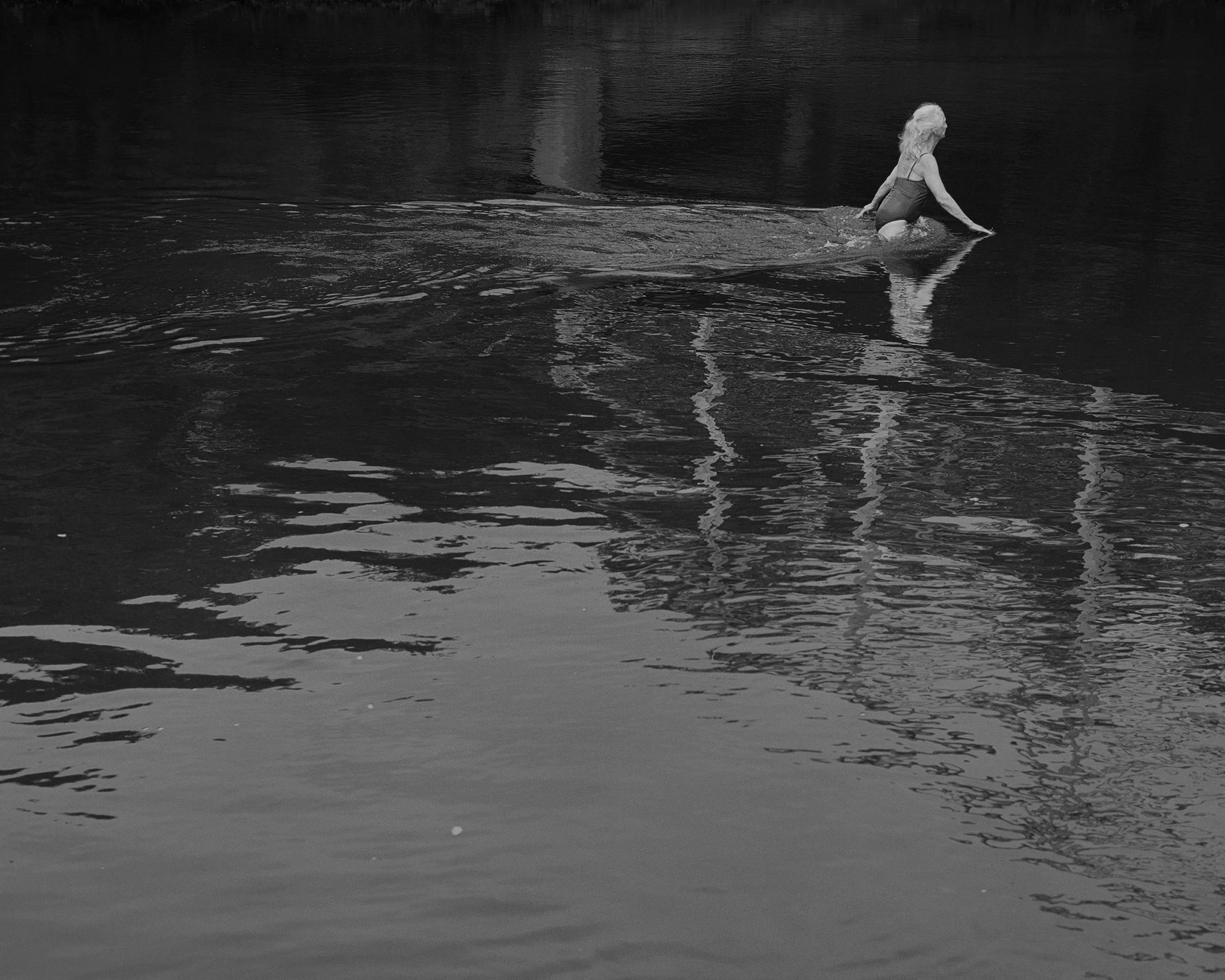
Many of the images featured here are from your ongoing series “Home Is Where The Garden Grows” which is a very personal project exploring family, loss, nostalgia and nature. There is a quiet, beautiful intimacy to these photos and the black and white also evokes a timelessness. Has taking photos always been a way that you process, document and heal from challenges that you and your family face? In a lot of ways the work with my family in Dormant Season is totally intertwined with my other series. The photos in Home Is Where The Garden Grows are of my niece and nephew after the loss of their dad, and I don’t think I’m ready to publish those photos until they’re older and we’ve collectively decided what to make of them. The dormant season is the period before the growing season and both bodies are rooted in a time of year as it reflects a stage of life. All of this is all a relatively new process for me. I wasn’t making pictures like this before 2018. Before, I was much more interested in exploring foreign places, not familiar ones. But now I see that familiar things can simultaneously feel foreign and that’s where my interest was really piqued. 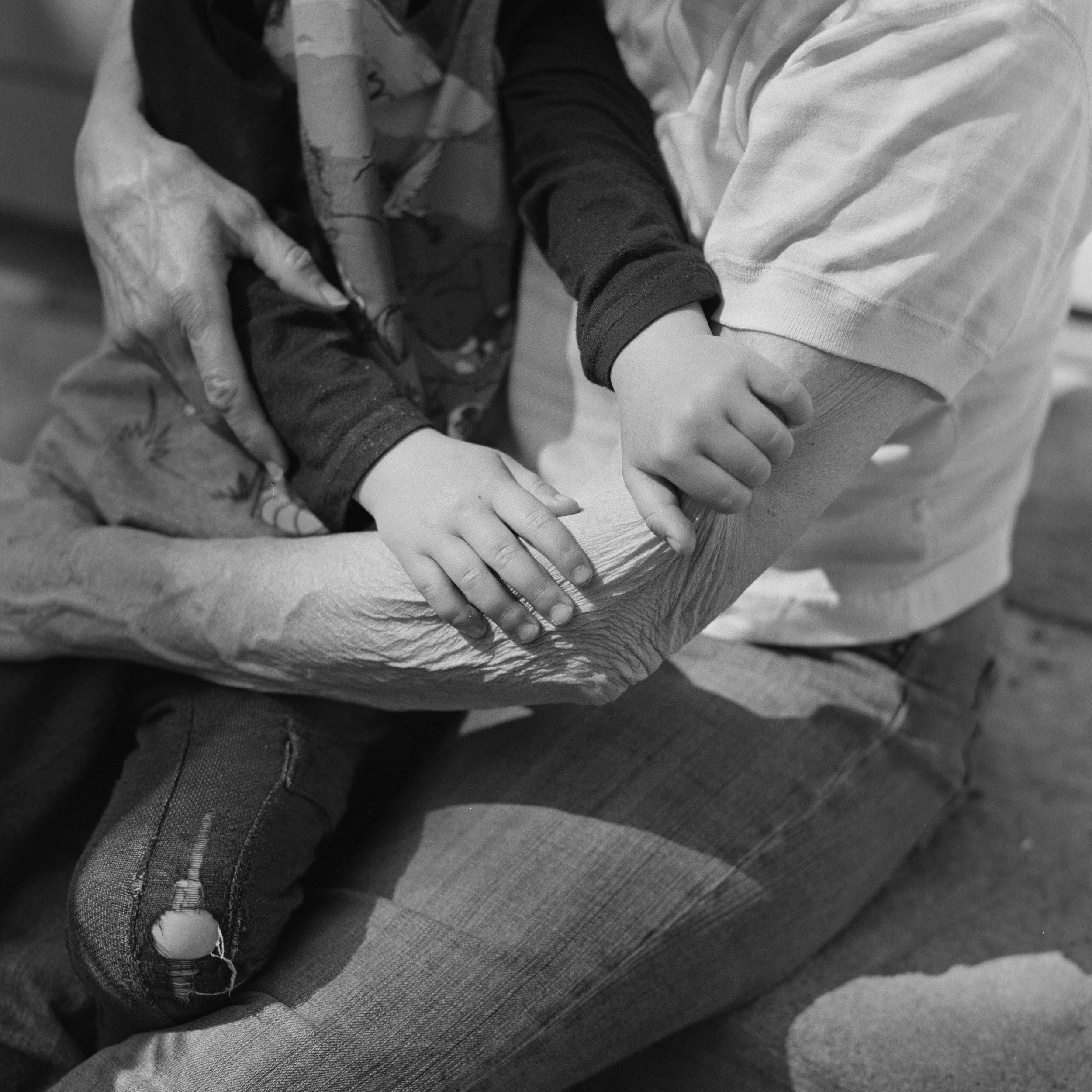

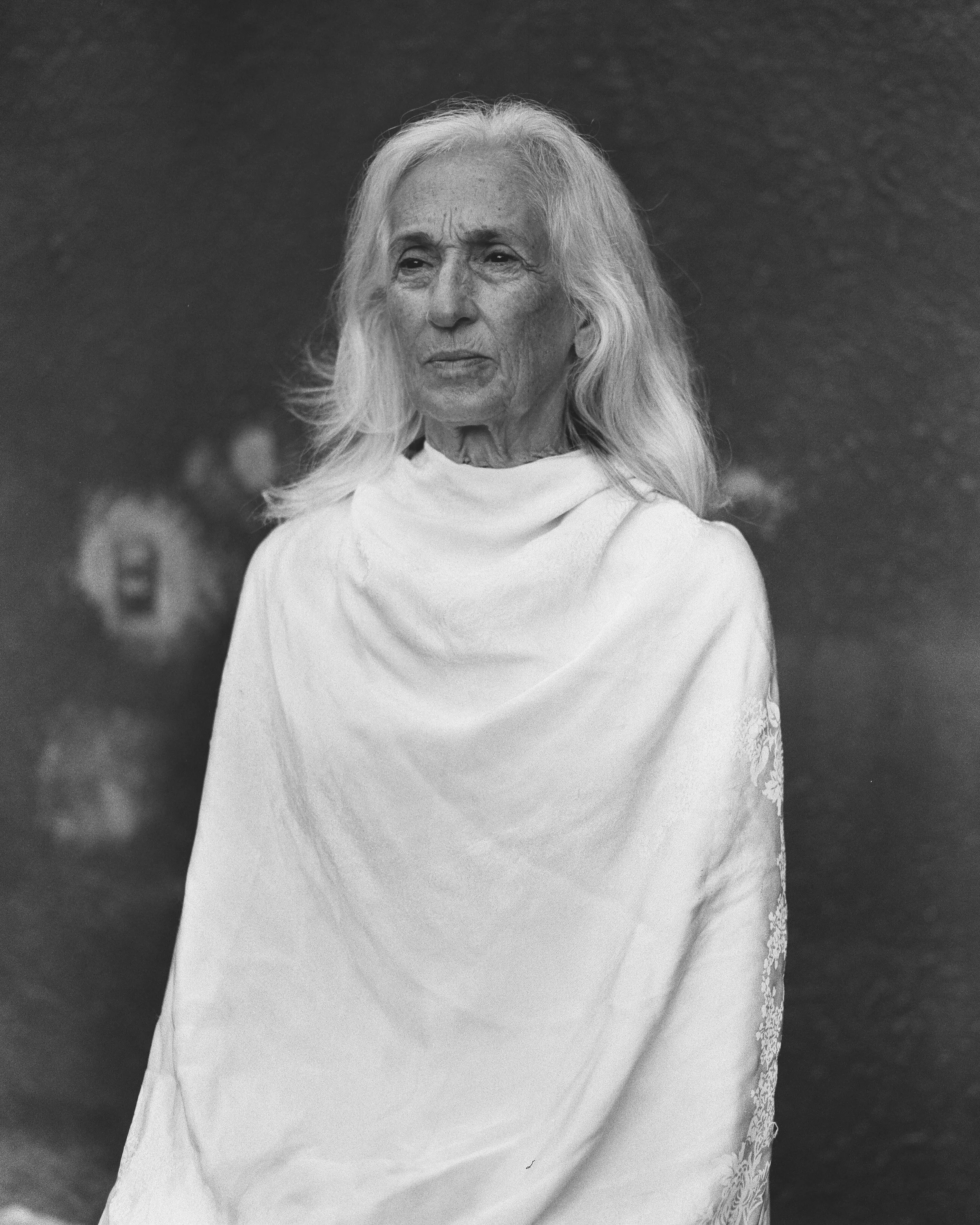
Your portraits of family members and strangers are very compelling and authentic. Have you always found it easy to connect with your subjects or did it take you a while to build up your confidence and hone your approach to capturing people?Thank you, that’s really nice to hear. I grew up in a place and culture where most doors are always open, so I’m pretty used to striking up conversation on a whim. I don’t usually approach people with a specific idea in mind, and it can be confusing to subjects, and myself, to ask if I can photograph them even when I’m not quite sure how yet. But, spending time with someone and observing them in their life before making a picture of/with them is a necessary element of my work. Otherwise, I’d essentially be casting people to make preconceived images, rather than offering a more organic and collaborative approach. It does take practice to feel confident approaching people like this and feel comfortable enough with any result. I’ve failed a lot and succeeded just enough to be totally hooked on trying.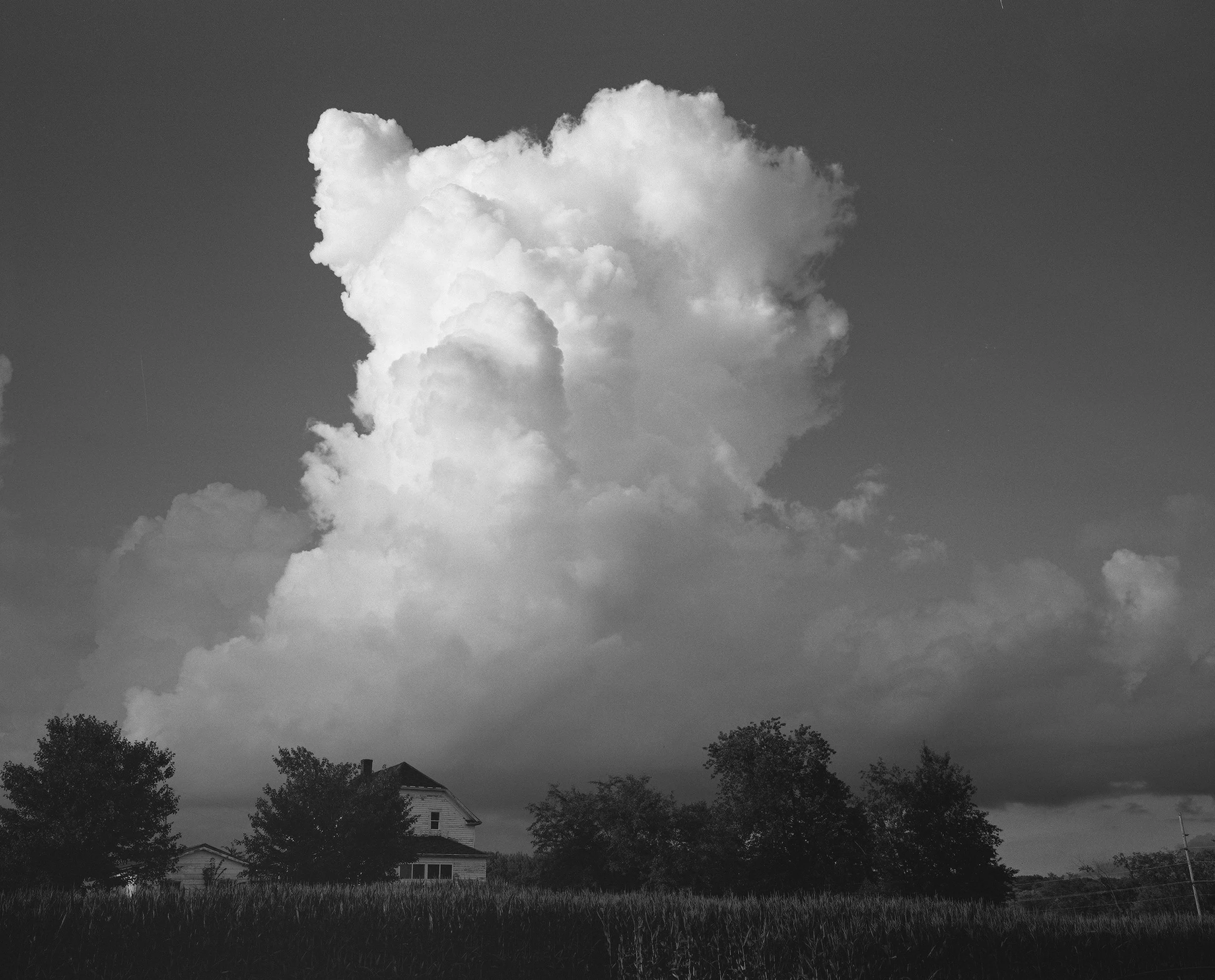
Are there any new projects coming up that you are excited to be working on? Overall, just continuing my work in the midwest. I’m just keeping myself open to experimentation. I needed to revisit my past through Dormant Season in order to be present for whatever is next. I will say that I’m hoping to incorporate more video into my work going forward. Video is another tool that can capture a totally different experience of the scenes that I’m photographing. I’ve been experimenting with these moving pictures and it’s been fun. 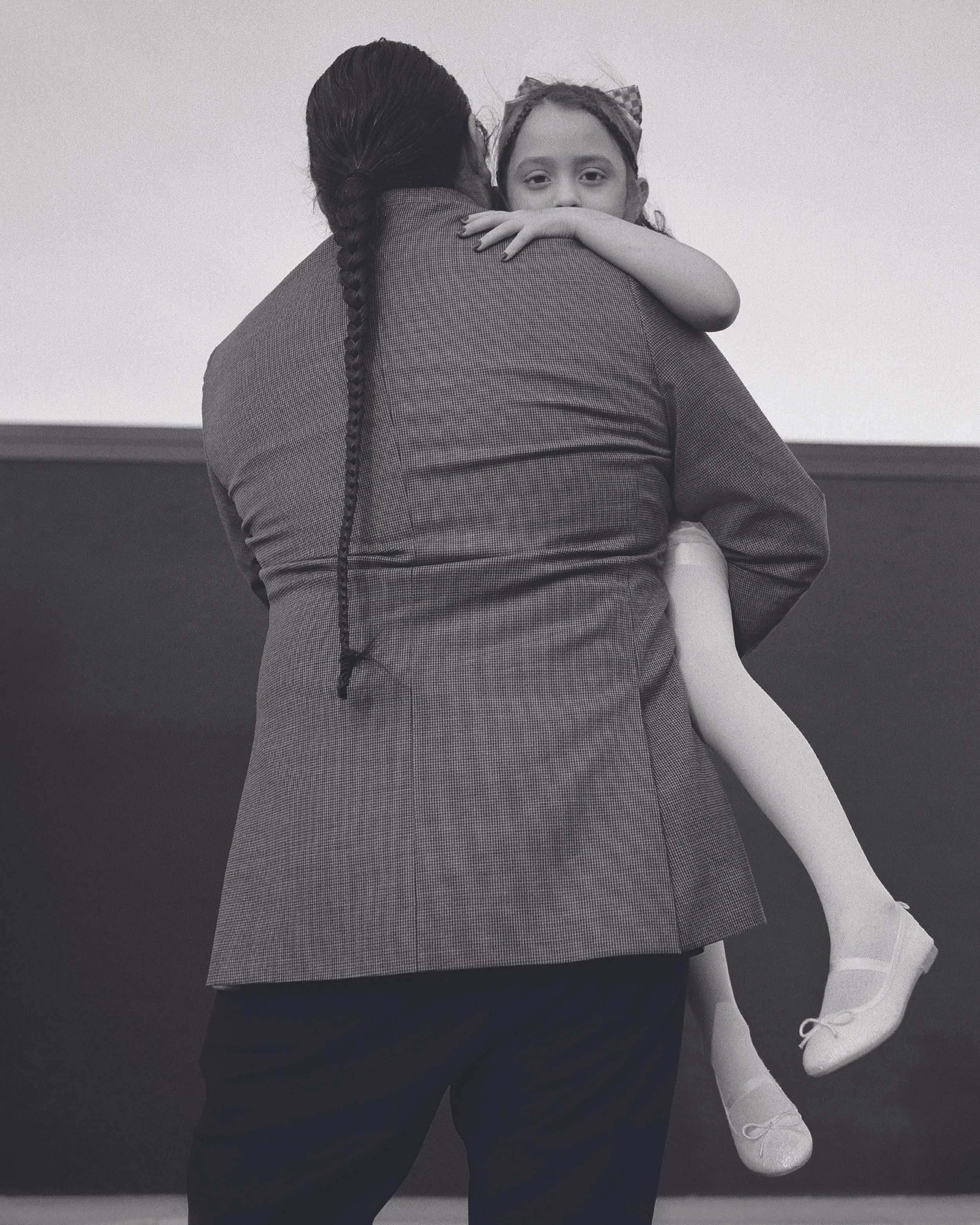
Who or what is currently inspiring you?I’ve been looking at Barbara Crane, LaToya Ruby Frazier, and Graciela Iturbide. I’m always interested in absorbing the various ways that women have experienced their environments and places of origin… My inbox is always open to suggestions! Anybody reading this, please feel free to send me things! @springerinnerinnspringer.com
ORIGINALLY PUBLISHED IN PRINT IN THE LIFE ISSUE #7, NOVEMBER 2023
INTERVIEW BY NORA LALLE