
Eva Verbeeck
America’s Girls
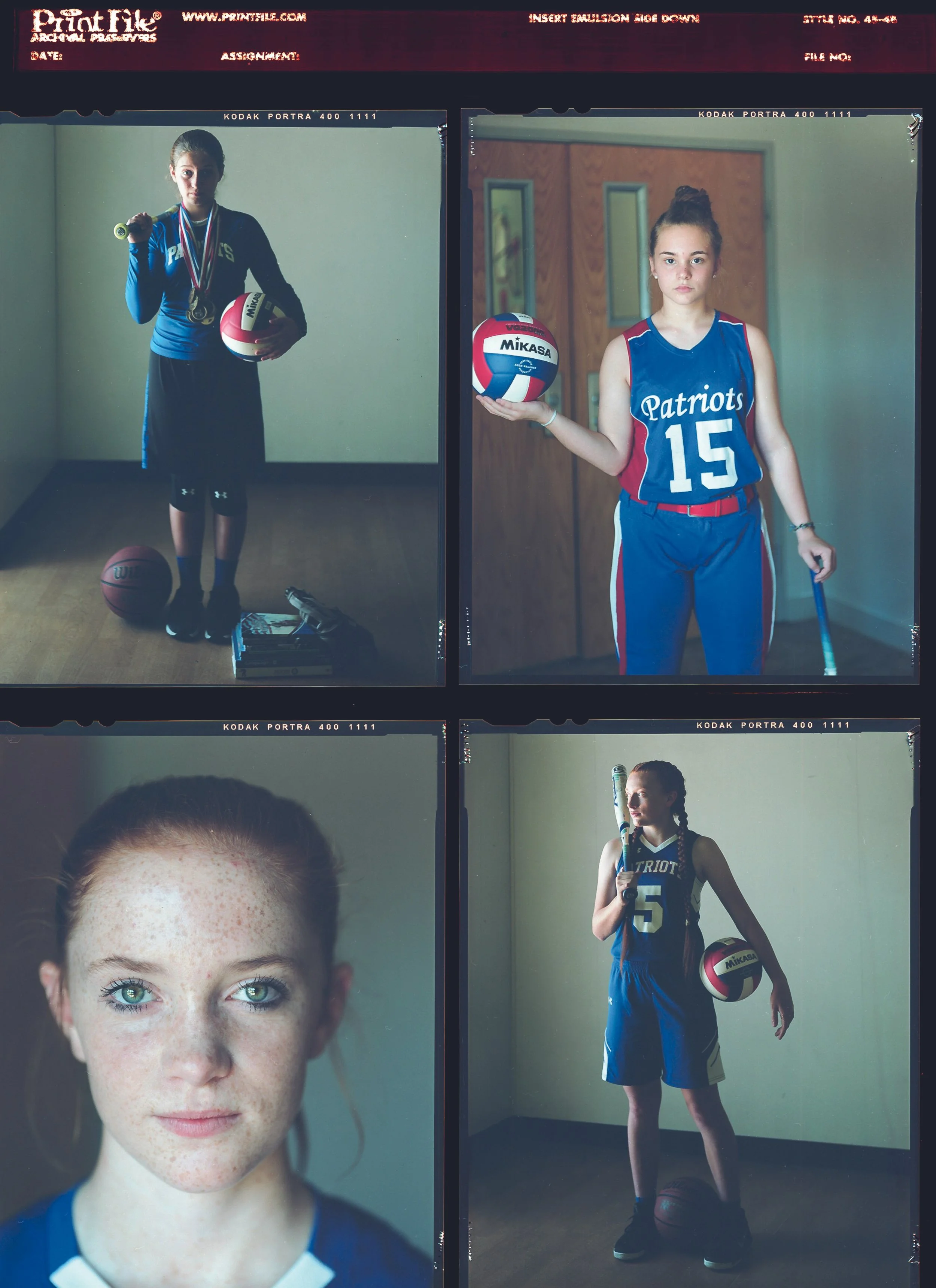
Eva Verbeeck is a visual artist based between Antwerp, Belgium, and New York. Focusing on portraiture and collaborative storytelling, her personal work has revolved around environmental issues, human rights, gender, and the exploration of identity employing a mainly analog approach. Her long-term projects are developed by building trust and working collaboratively.
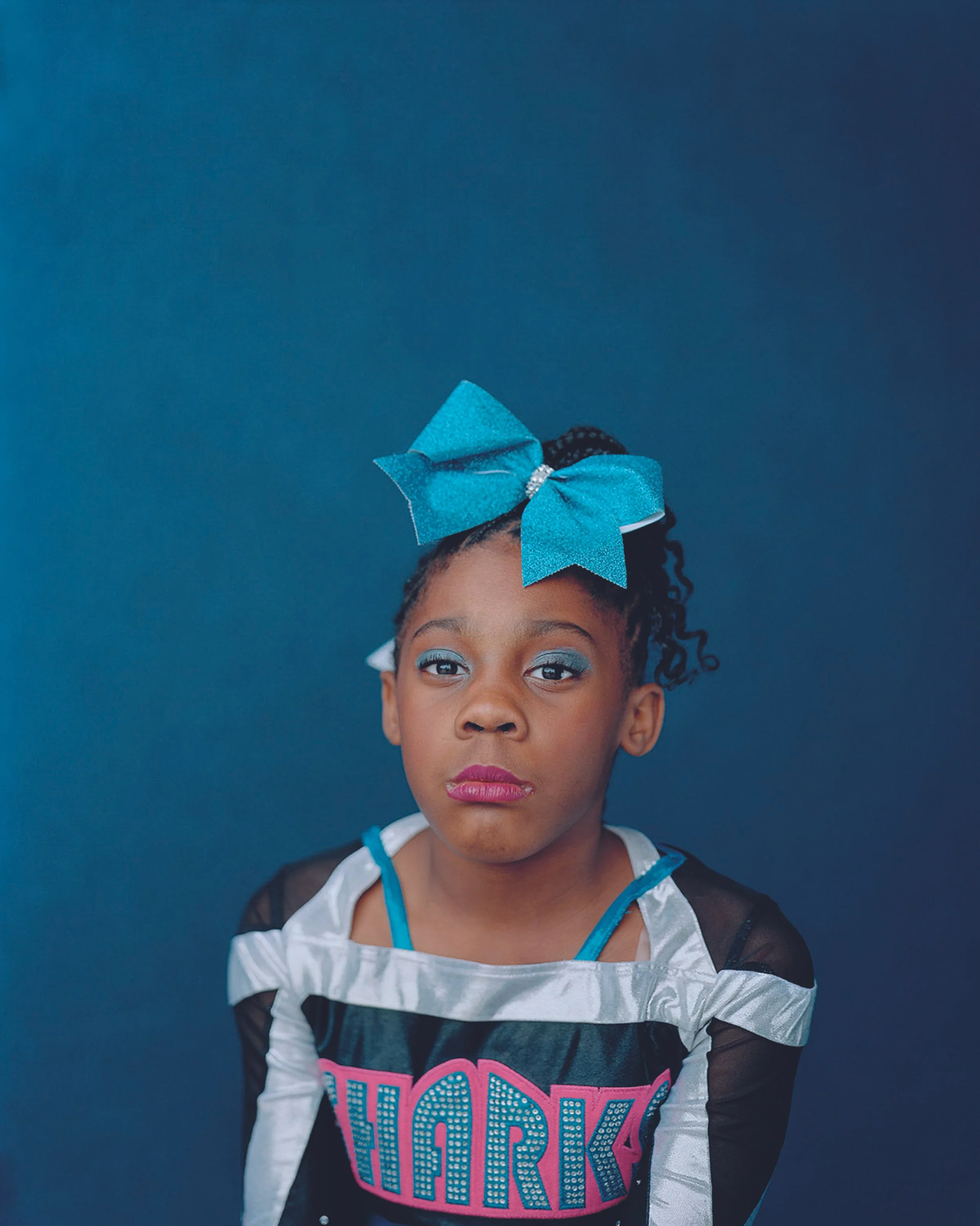
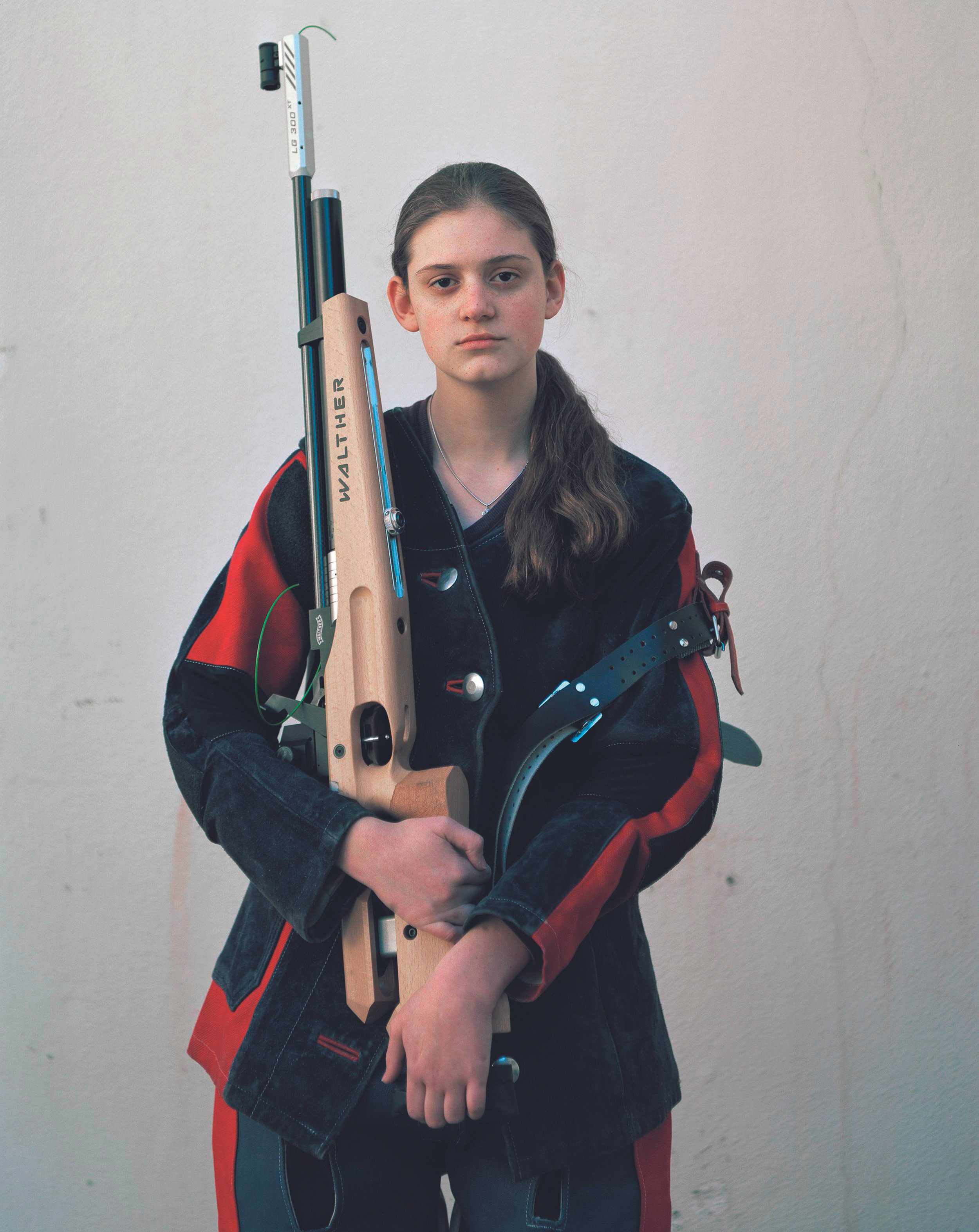
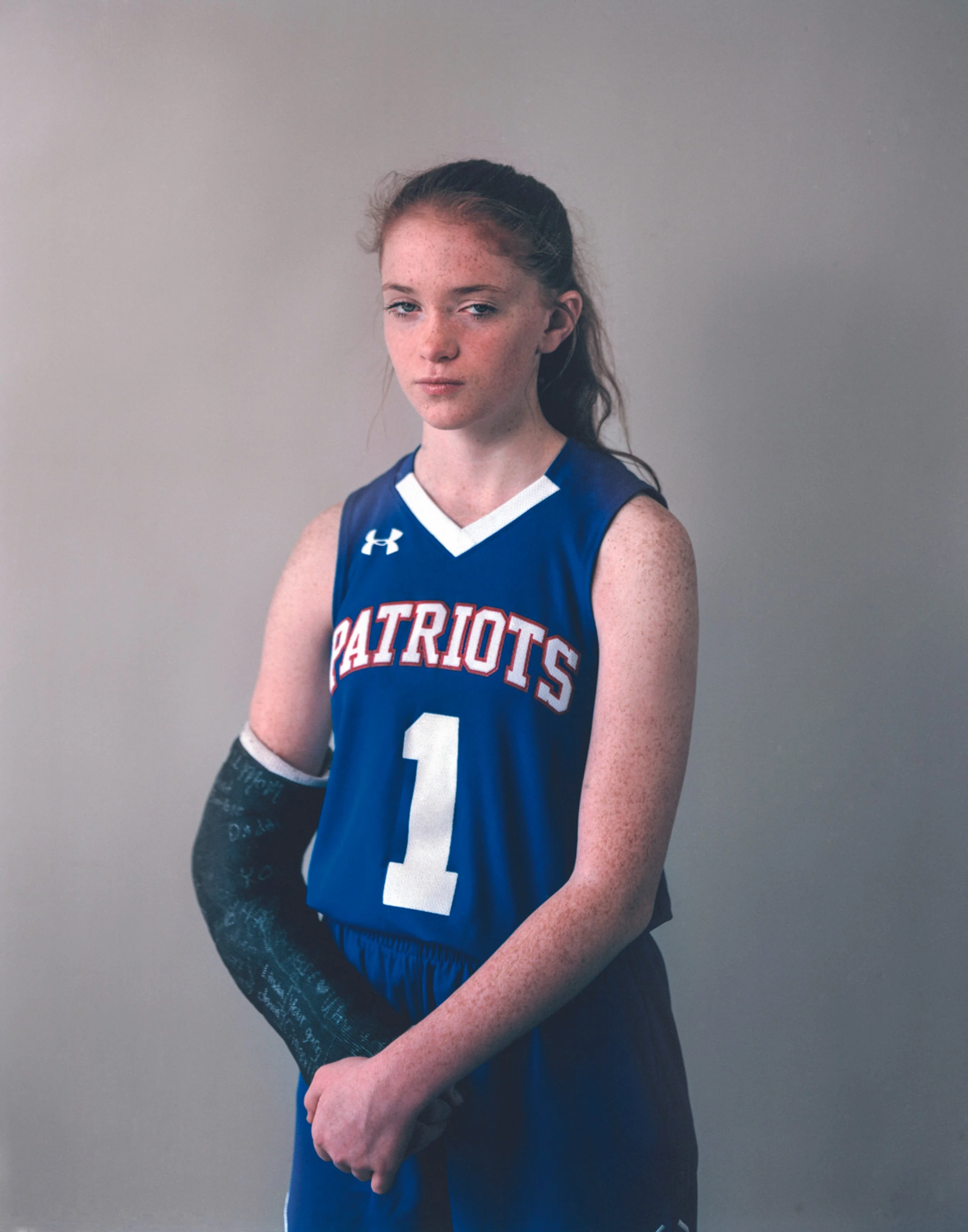
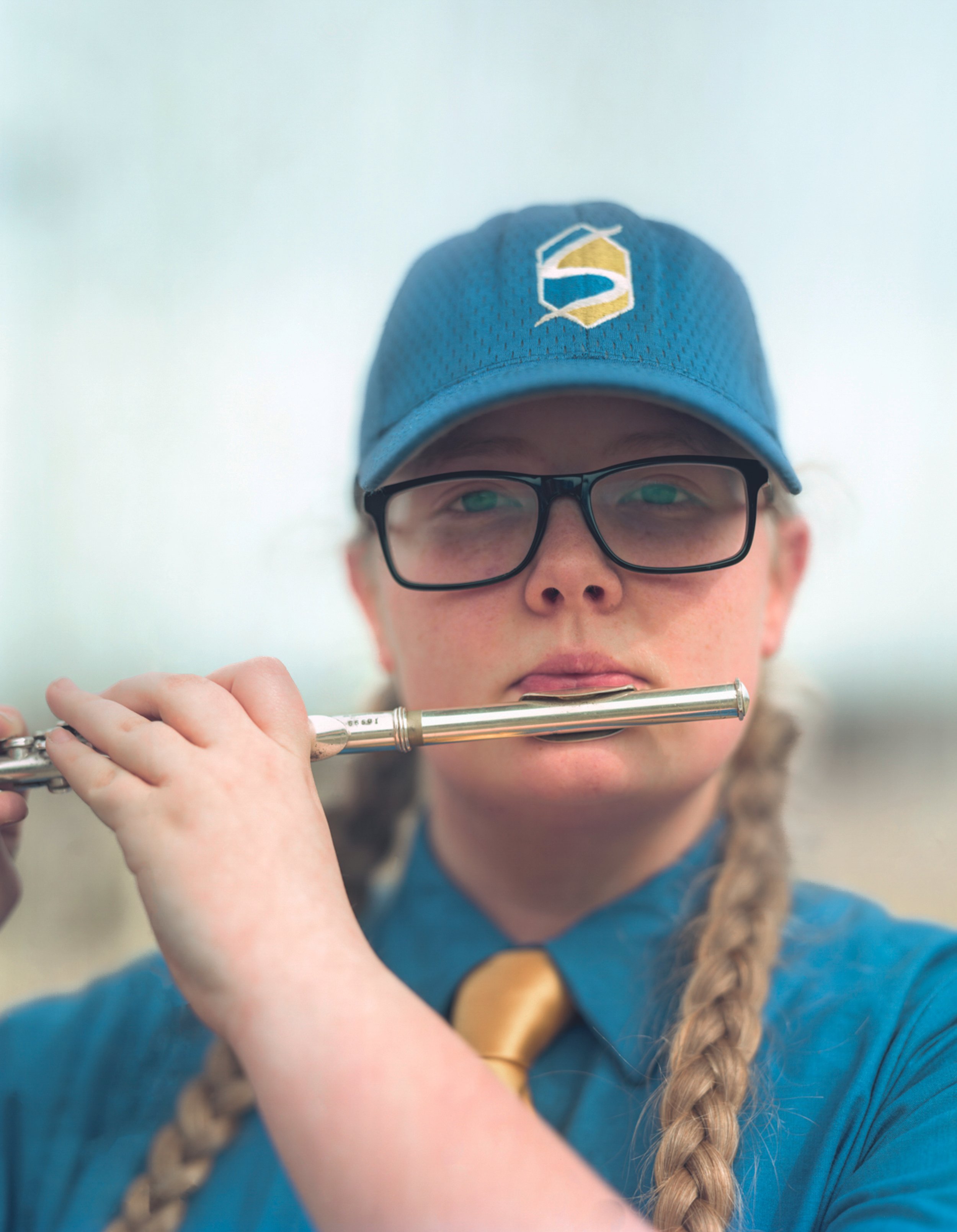
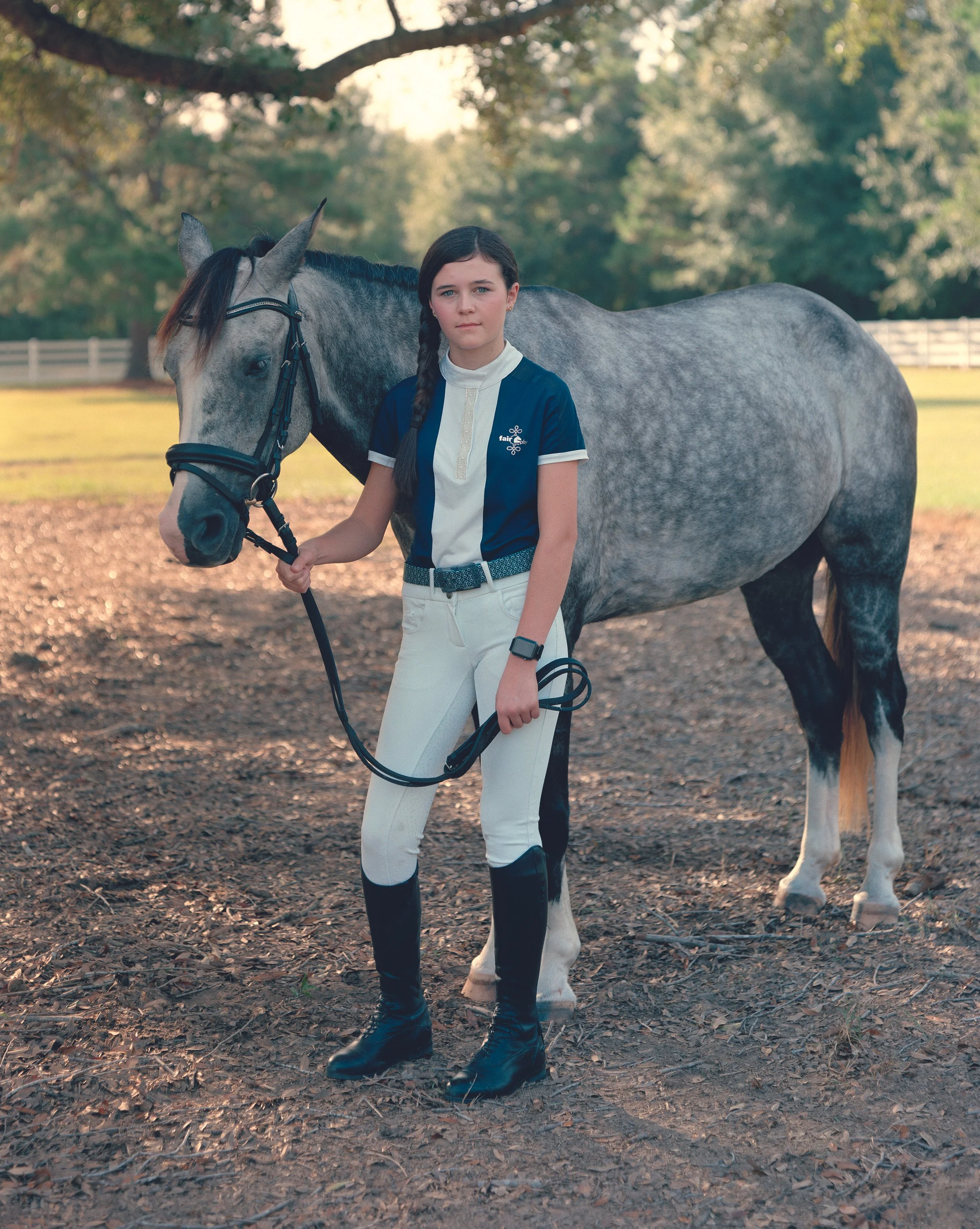
Pamplemousse had the opportunity to interview Eva about her ongoing project America's Girls, on the edge of a dream. Featured here is a selection of images from the series. 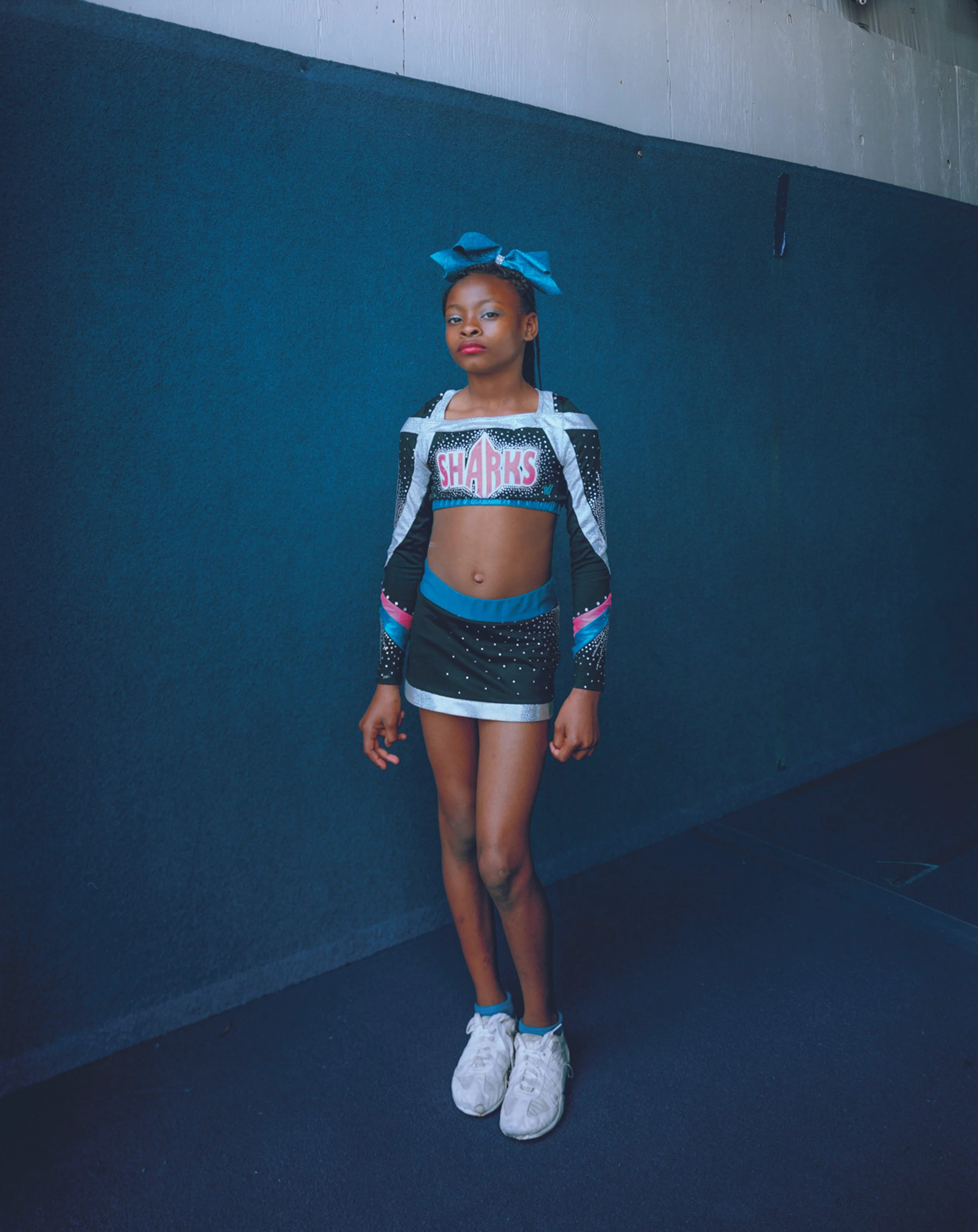
What was the initial inspiration behind creating this series of portraits? As a non-American, what does the idea of the American Dream mean to you?I grew up in Tessenderlo, a small farm town in the north of Belgium with one factory. The social scene was a central square with a church on it, a Monday farmer’s market, and a twice-a-year fair. There was very little access to people from different cultures or different parts of the world, so we found our escape in pop culture. I studied it and held fast to the idea that somewhere life could be better, more amazing. The United States became a beacon of possibility for a lot of young people where I grew up.
Tessenderlo felt very, very small. I remember being there and feeling claustrophobic. Dreaming of America provided relief. It seemed like something glamorous and shiny and pretty and far away.
In what way is “The American Dream” represented, or not represented through these images? An American girl was a big idea for me. She was not one specific person or one specific look or feel. In my brain there was a big catalog of all the images I had seen in magazines and music videos and books. Cheerleaders or science nerds or goths or punks, any sort of subculture populated an alternate universe built from the movies, TV shows and comic books we devoured.While living in the United States in 2018. I moved around the country for six years.I was only using film and large format cameras to better explore photography’s capacity to deepen vision and to slow down time. I followed different stories, seeking the right subject to match my girlhood imaginings of American youth against the real place and its people. That narrative, the potent influence of an American ideal on a perceptive, serious girl living a world away, led me to a group of young cheerleaders in Savannah, Georgia. They opened a door for the project to start. 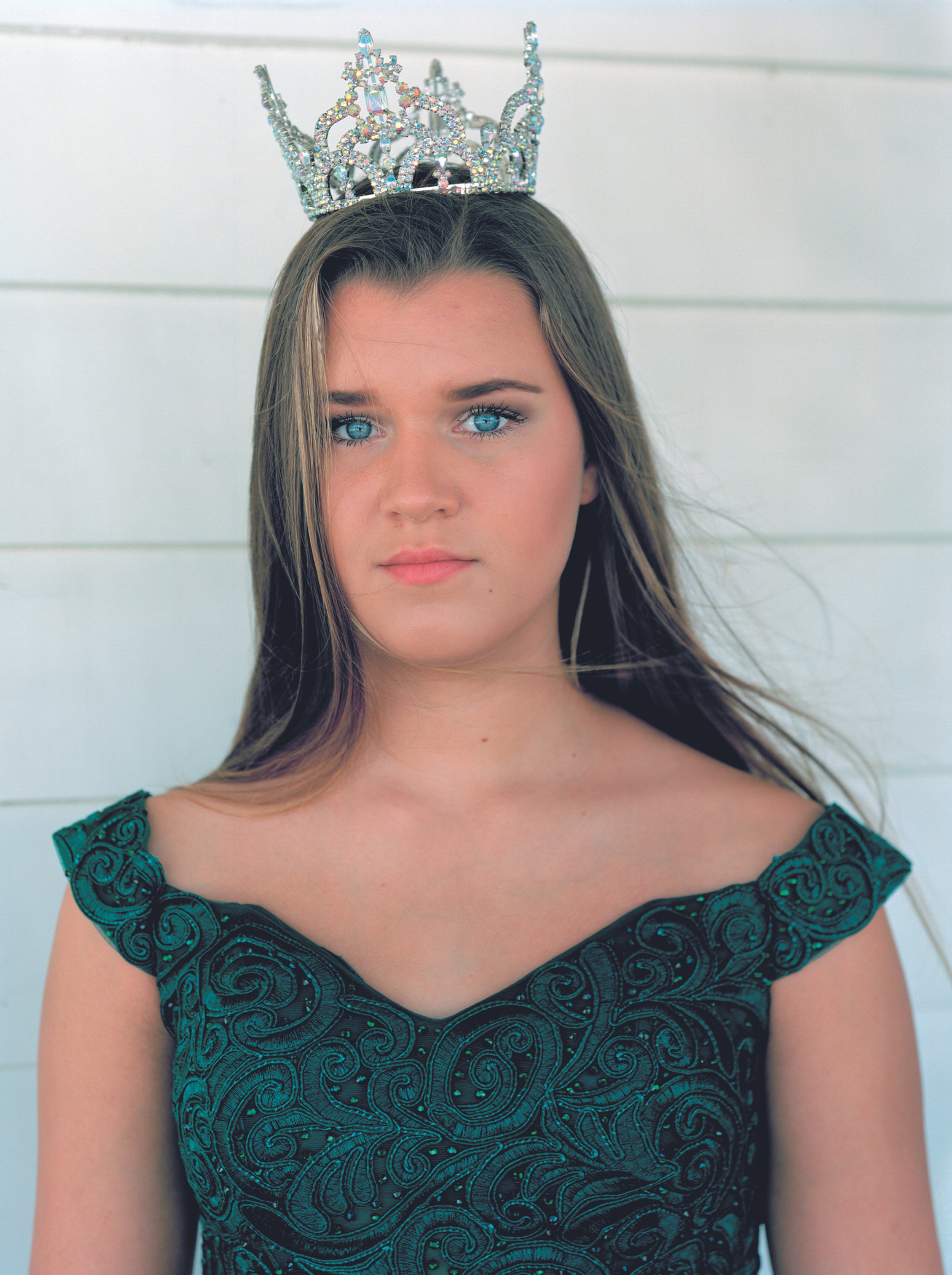
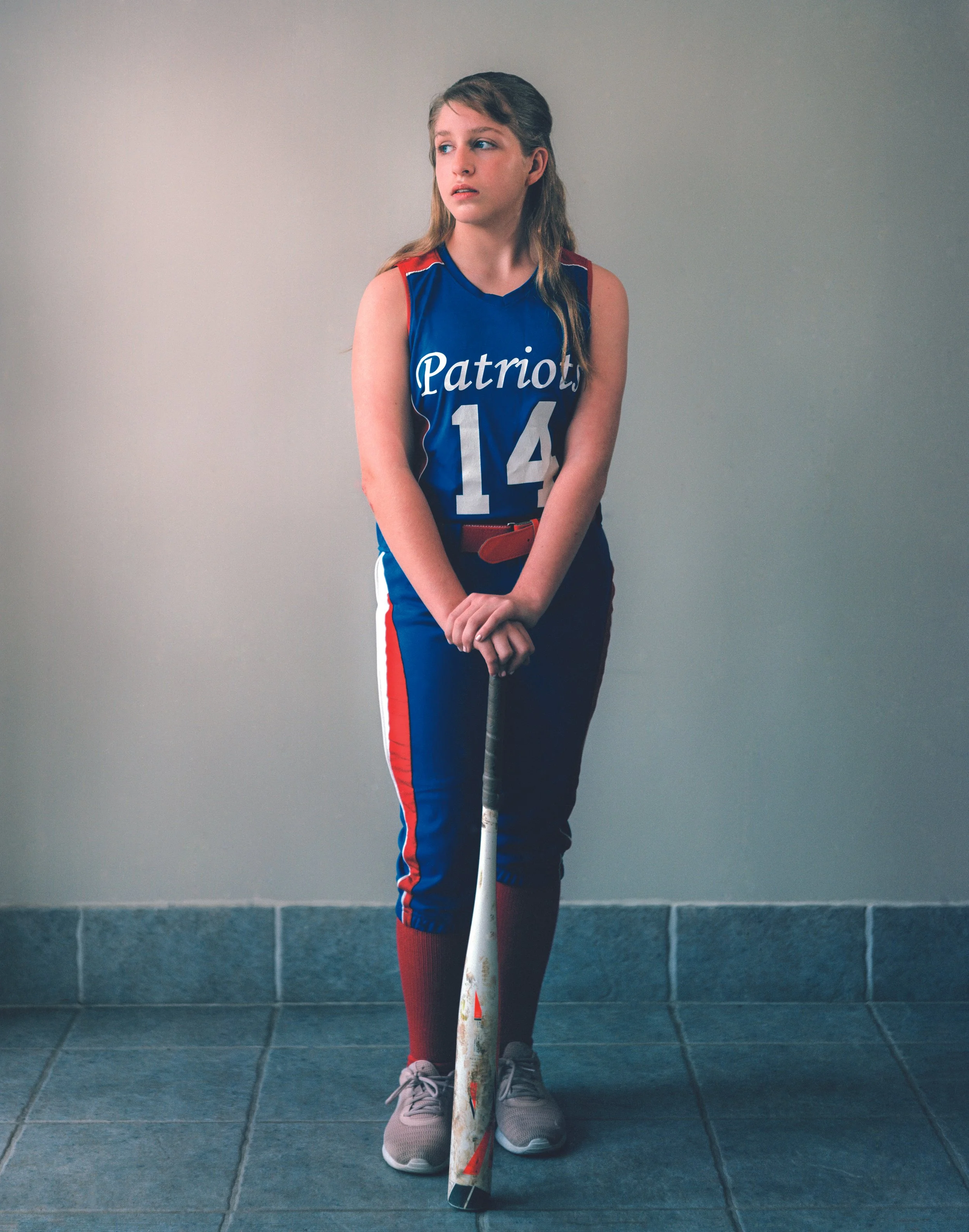
How did you go about finding your subjects and did you look for anything in particular when choosing young women to photograph?My ability to make this work is based on building a network of trust around the work I do. Usually, I start planning photoshoots weeks or months ahead. I talk to parents, schools, and sports clubs about my work to see if they are interested in having me photograph. The project is entirely self-selected. I put out a call and whoever wants to show up can. On the day of the photoshoot, we talk and I ask them a variety of questions before I make the photograph. We spend some time talking about what they find interesting, how they feel in this period of transition and so on. After that, I set up the camera and let them choose a position that feels comfortable for them. Once they are holding a position the photograph is made.
Can you share your reasoning behind using a large format camera and film for this project?I use a large format 4x5 or 8x10 view camera. The nature of the large format photography process helps create an honest and judgment-free environment. Without the presence of a digital screen on the camera, the girls feel no pressure of seeing the photos right away, so they embrace the unknown. Film photography enhances this by giving the images a timeless feeling. The girls chose a comfortable position and while they are standing still, I see all facades fall away. It’s a really magical process. 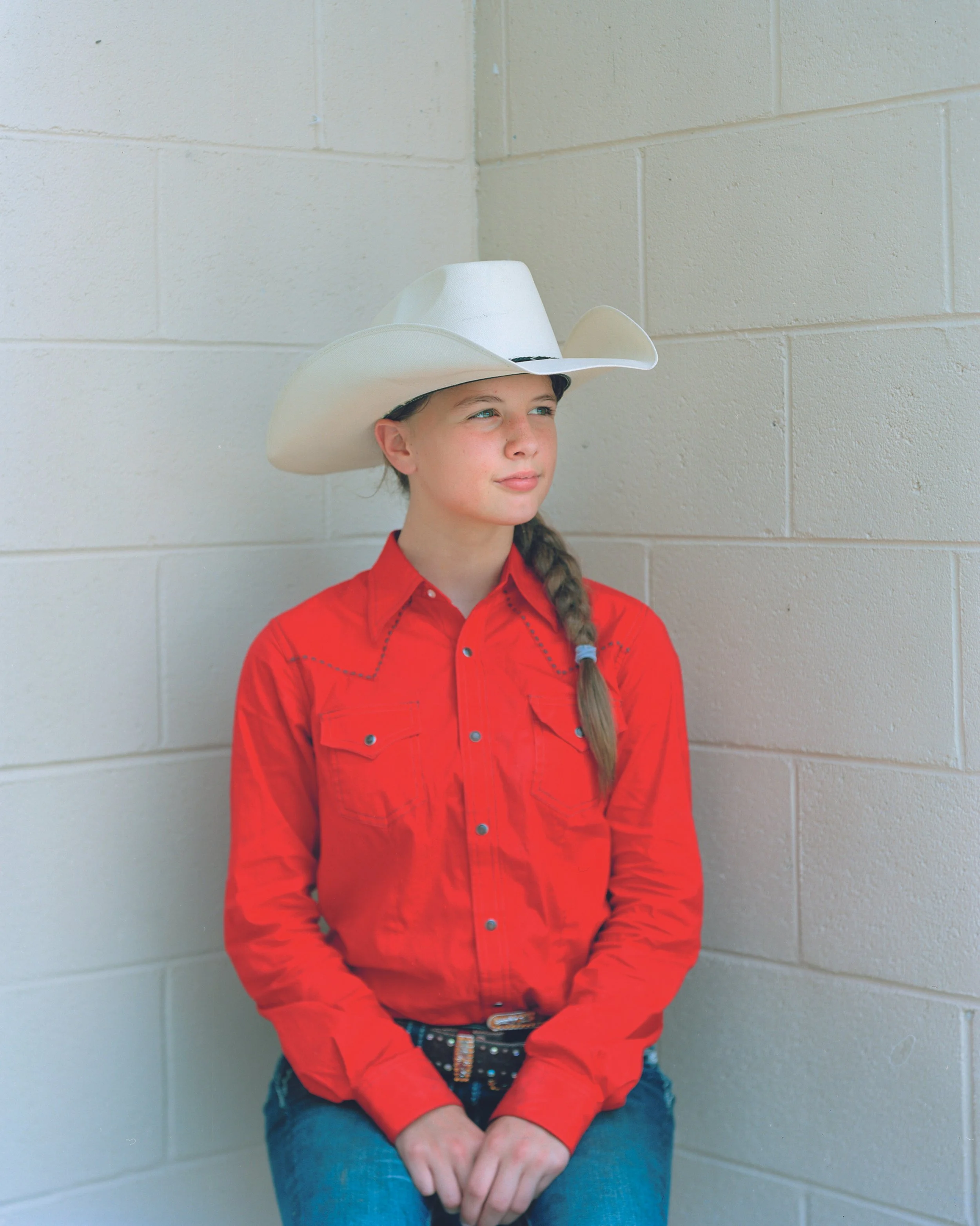
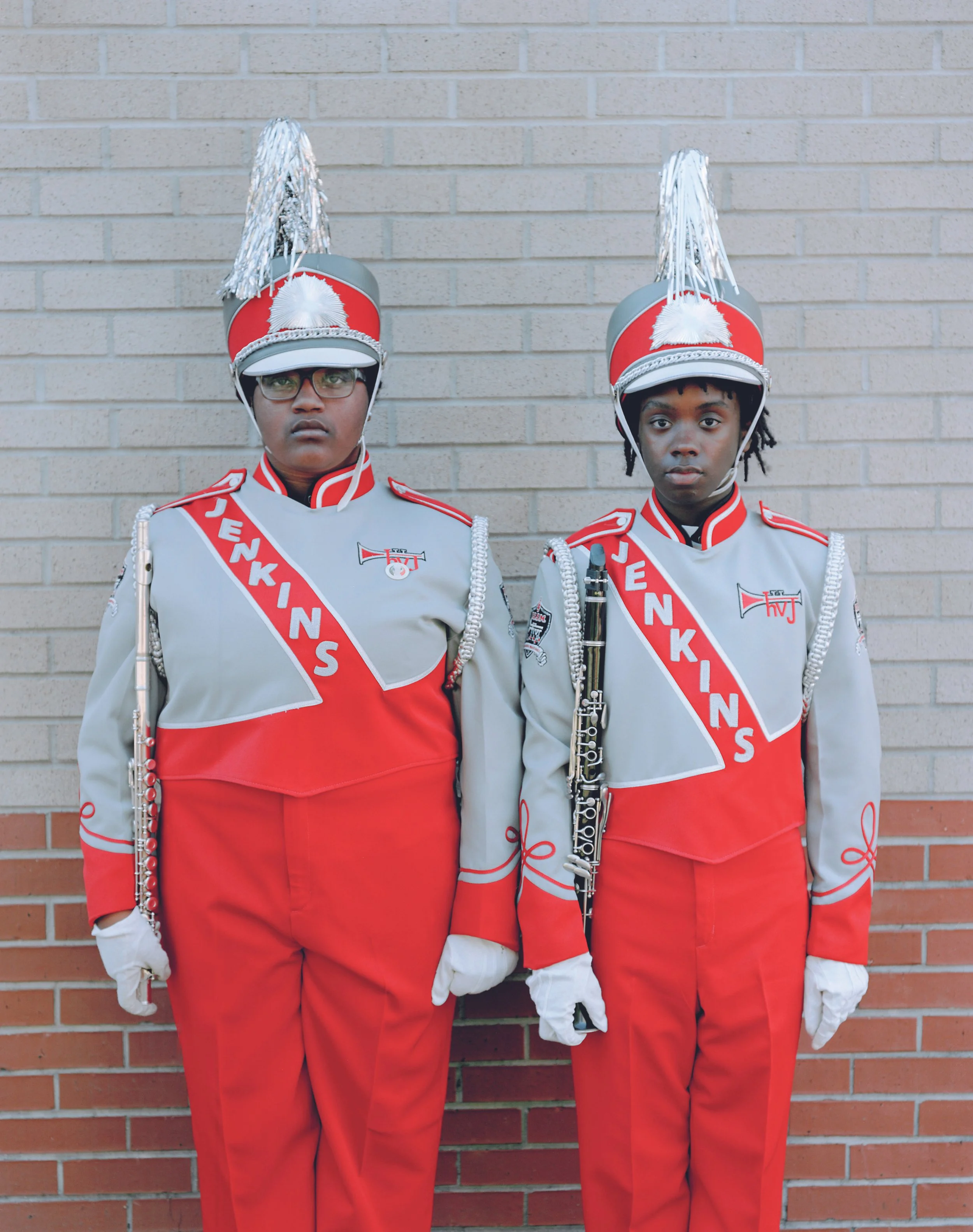
“I was constantly amazed at their drive and persistence to make their worlds a place of their own.”
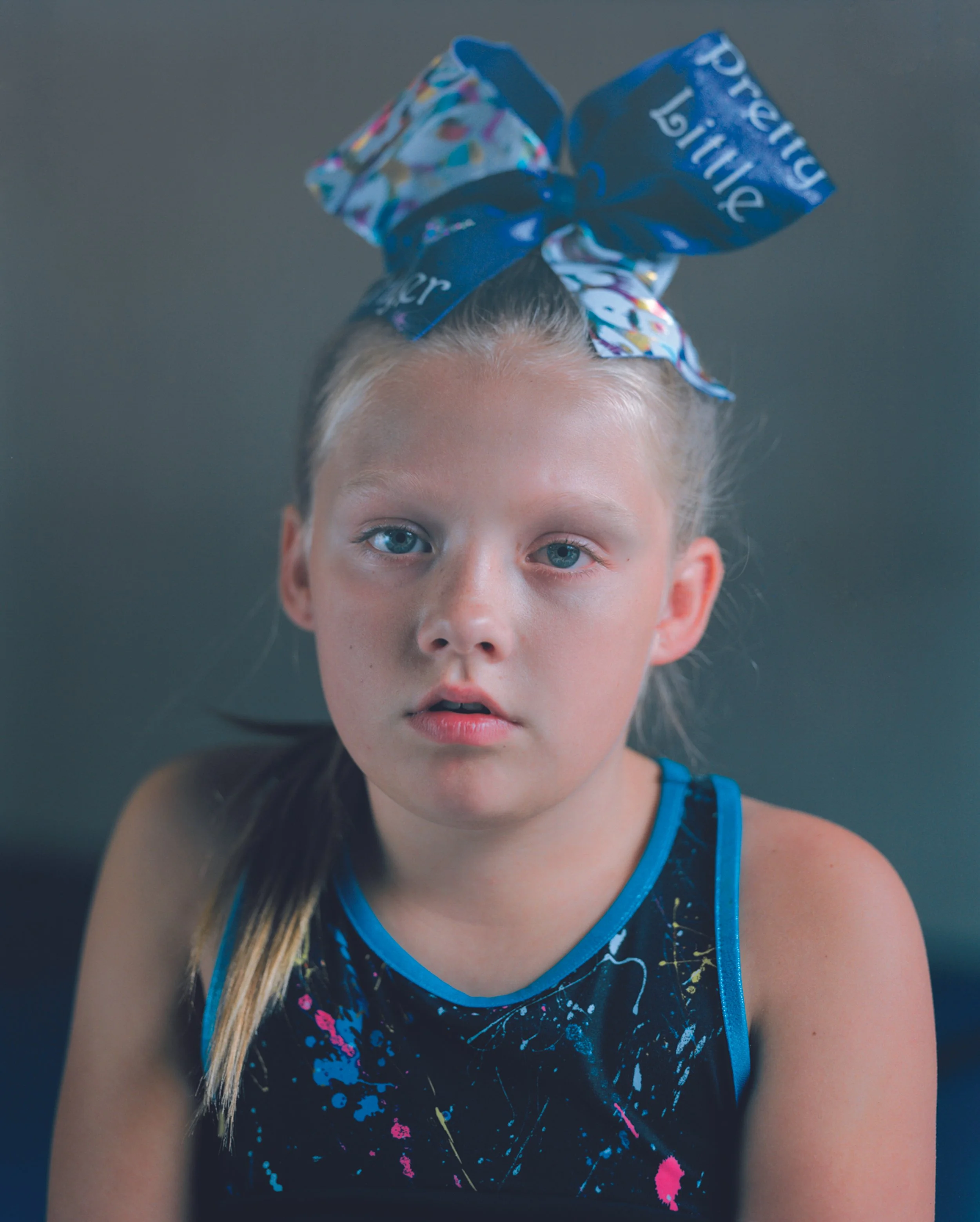
What was the sense you got from the girls of their vision for the future? Do they seem hopeful? Do they have dreams they intend to pursue?The sense I got from these girls was one of a complex mixture of hope, ambition, and introspection. Many of them expressed dreams they were passionate about pursuing, reflecting a deep-seated desire to carve out their own paths and make meaningful impacts in their communities and beyond.Despite the challenges and uncertainties they face, these young women exhibited a resilient spirit and an optimistic outlook. They navigated their aspirations with a blend of idealism and realism, showing a clear determination to overcome obstacles and achieve their goals. I was constantly amazed at their drive and persistence to make their worlds a place of their own. Their stories highlighted a generational drive to address social, cultural, and environmental issues. Have you considered photographing young women in Belgium or other countries outside of the US? Or are you uniquely drawn to the young women of America? I think that for many artists, especially women, the exploration of the beginnings of life—and the transition from childhood to adulthood, holds a lasting fascination. Even the briefest survey of many other female filmmakers, painters, and writers today shows that the study of girlhood is a lifelong practice. I initially chose to do this project in the United States because of my own connection and dreams of going there as a young woman. In a way I felt like I was honoring that dream by doing this project. It became an investigation into my own dream world as a young woman. I am not sure what future [the] project will bring. I am currently working on various projects in Belgium.What do you hope our audience gains from viewing this project?I hope the audience sees an honest portrayal of a transitional time in someone's life. I want to honor these girls by taking portraits that are self-directed, showcasing their strength, resilience, and diverse expressions of girl culture. This culture is powerful and multifaceted, not confined to a single definition. By revisiting the idea of portraiture and delving into the echoes of teenage inquisitiveness, this work intertwines past and present, ultimately celebrating self-discovery.A loose strand of hair, an open button, an awkward gesture—these portraits embrace uncertainty, imperfection, and contradiction without illusion. They appear innocent yet wise, hopeful yet anxious, tender yet fierce. They remind us of our fragility and offer a glimpse of hope.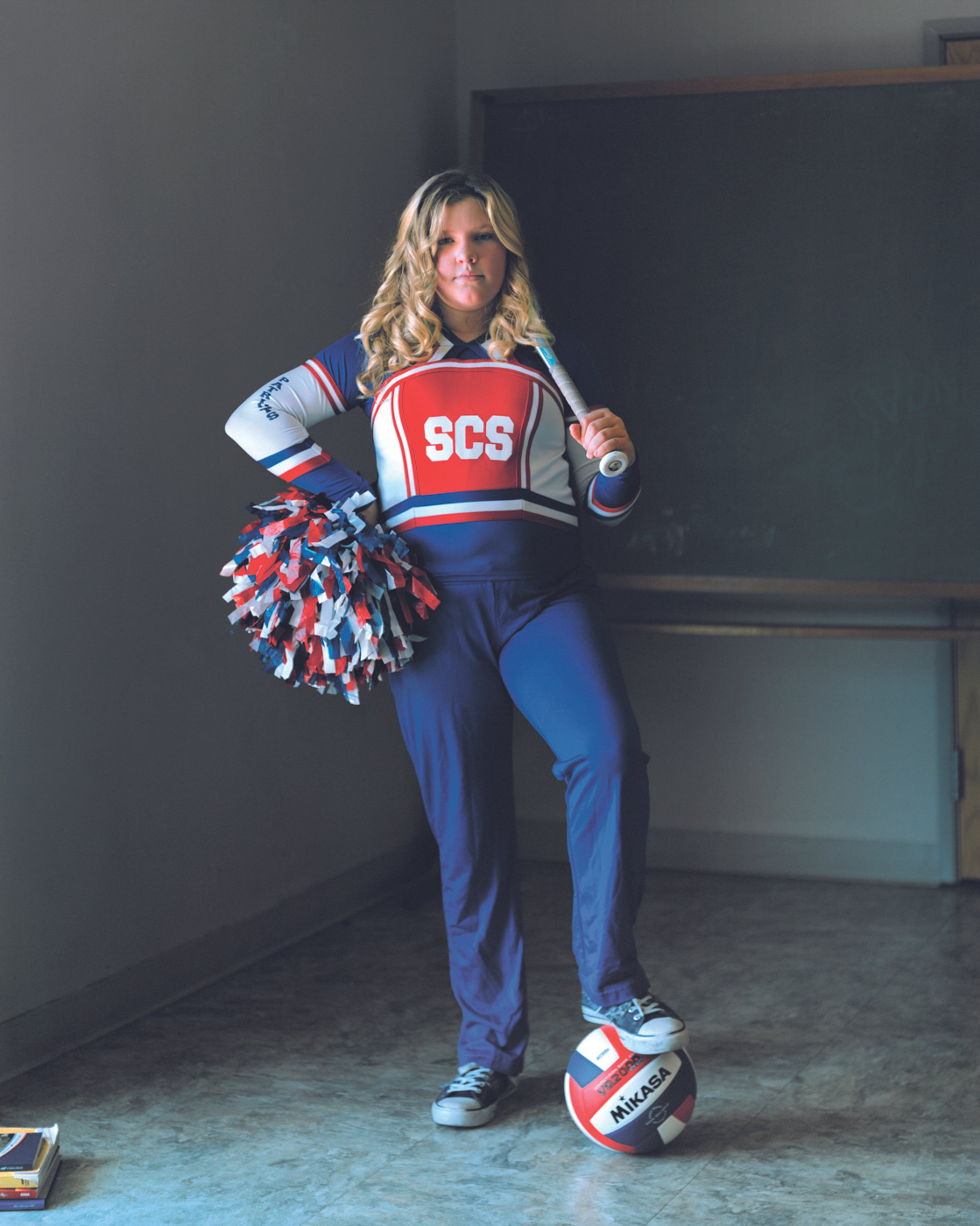
“I was only using film and large format cameras to better explore photography’s capacity to deepen vision and to slow down time.”
@evaverbeeck
originally published in print in THE DREAM ISSUE #10, Fall 2024