
A Single Breath
Dive into Katharine Kollman’s Underwater Dreamworld
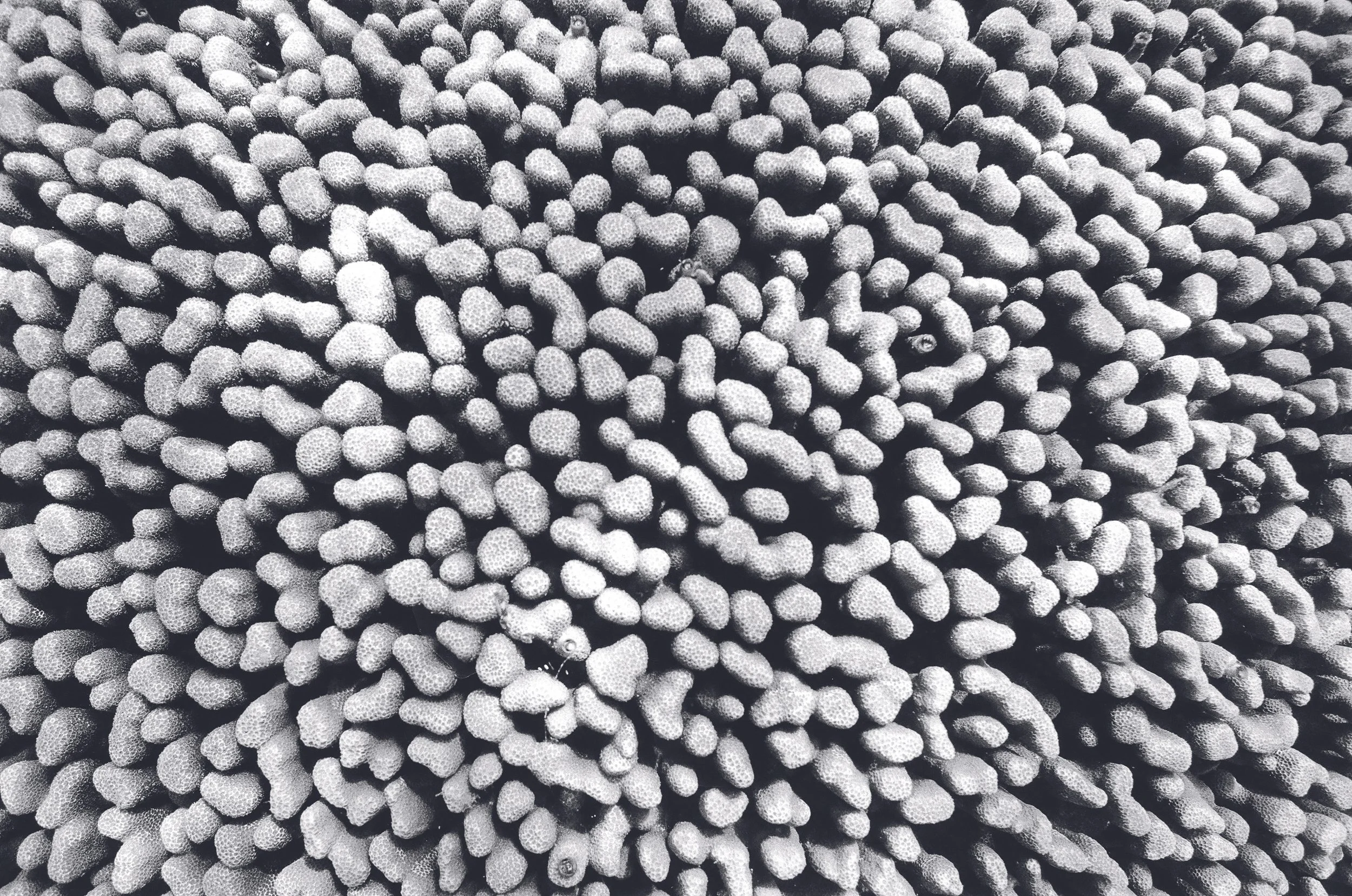
Katharine Kollman is a freedive instructor and underwater photographer based in Honolulu, HI. Her work explores the magical mystery of our oceans. Katherine uses black-and-white film to capture the textures and shapes that characterize the otherworldly nature of underwater landscapes. Her background in both teaching and diving makes her uniquely qualified to create intentional photography in the transient, mutable environment of the ocean. She often collaborates with other divers in her community, exploring how humans engage with the world below the surface. Her work has been published and exhibited internationally.
Nora chatted with Katharine on a video call in July 2024 to learn more about her connection to the ocean, path to finding her passion for freediving, and process of creating dreamy film photos.
Let’s dive in.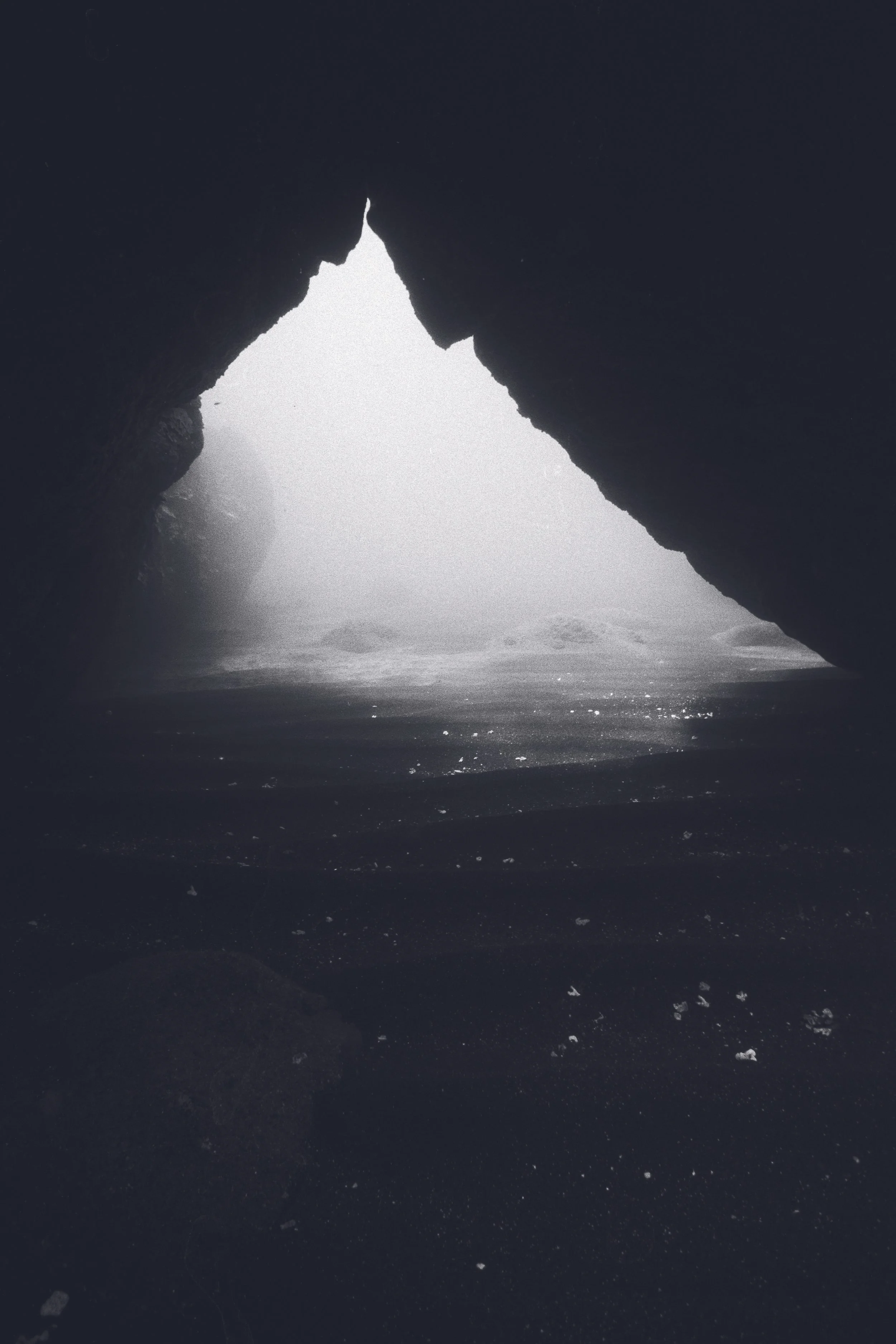
What initially drew you to water, the ocean and exploring underwater landscapes?It’s not like I grew up on the ocean, because I’m from the Midwest. But we did grow up just on Lake Michigan, which, as a kid, feels like an ocean because it stretches all the way to the horizon. It’s what we oriented ourselves to. Growing up, my mom would always bike ride with us down there. Lake Michigan beaches are full of fossils, and she taught us how to collect them - prehistoric creatures called crinoids, brachiopods, the rare trilobite. And lots of beach glass. She’s the one that got us to the water from a very young age.I wasn't a huge swimmer, I wasn’t much of an athlete or anything like that. But I specifically remember being in swim class, and at the end of class, we’d always play Sharks and Minnows and it felt like this holy experience, it was something I reveled in. I’d hold my breath and swim the length of the pool, lungs straining, and rejoice upon hitting the tiled wall on the other side. But it wasn’t until after graduating college that I even discovered what freediving was - in the library. And as it turns out, that game of Sharks and Minnows? A game that delighted me as an adolescent is actually a discipline within freediving referred to as dynamic apnea.When I finished my undergrad, I decided to defer from grad school and ended up just living at home. I didn’t know how to spend my time - I didn’t have any friends, I was just working, but one day on a run, I saw some guys surfing on the lake. I would run past the same place every day, and we’d wave to each other, and eventually I got to know them and they invited me to come surfing with them. So here we are surfing the Great Lakes in the middle of winter, and it’s so fucking cold, but it was so cool, and they were so cool, and they taught me a lot about the water. I went to the library to find books on surfing, and right next to the surfing section, there was a really tiny diving section, so I grabbed one of the titles off that shelf. It’s the first time I’m reading about freediving and it was a eureka moment. One of those things that fills a void that you didn’t know you had. I went online and found out you could take classes, so I found an instructor on O’ahu and a Workaway opportunity, and came out here to take a class. And then it turned into six years.When did photography come in?I’ve never been an athlete, I always felt like I just had intellect and brain stuff going for me, so it felt really amazing to be accessing something that I hadn’t done before, a sort of body knowledge that I didn’t know existed. It felt like this really special time, like these divers were bestowing some sort of magic upon me. I was feeling pulled to do something with these feelings I was having, and it was at that time that I discovered the work of Wayne Levin, who is an underwater film photographer. I was online looking at underwater photography and just happened upon his work, and I was brought to tears, some of his photos were so moving to me. They really poked and prodded at something inside of me and I thought, “Oh my god I have to try that”. I bought a Weathermatic, those little yellow cameras, but they’re only rated to five meters of depth and I think I flooded three or four of them. I felt like I wasn’t good enough to own a Nikonos yet, I needed to earn my stripes. But that’s where it started, and it was basically a means of paying homage to these friends that taught me so much. I’d bring it out diving, and finally had this way of documenting what we were all doing together and the way that it bonded us. Photography became a vessel to celebrate my friends and to explore the unique feelings we experience as freedivers.Why film? It’s evident that I am heavily influenced by Wayne Levin. But my parents are also teachers, and my dad was head of the art department at a local high school, where one of the classes that he taught was film photography and darkroom skills. Growing up, I was never really interested in it because it was just one of the seventeen art things he did, so I just sort of knew that it was there. But when I saw this analog work by Levin, I started asking my dad these questions about it, and he was able to answer them, and he became a really important resource for me. He taught me how to process film, bulk roll, we talked chemistry and eventually I learned how to print. My father is an artist and my brother is an artist, and I had kind of dabbled in things, but this was something that helped strengthen my relationship with my father as well. It was a special thing to share with him. I also do shoot digital underwater, but mostly only for work.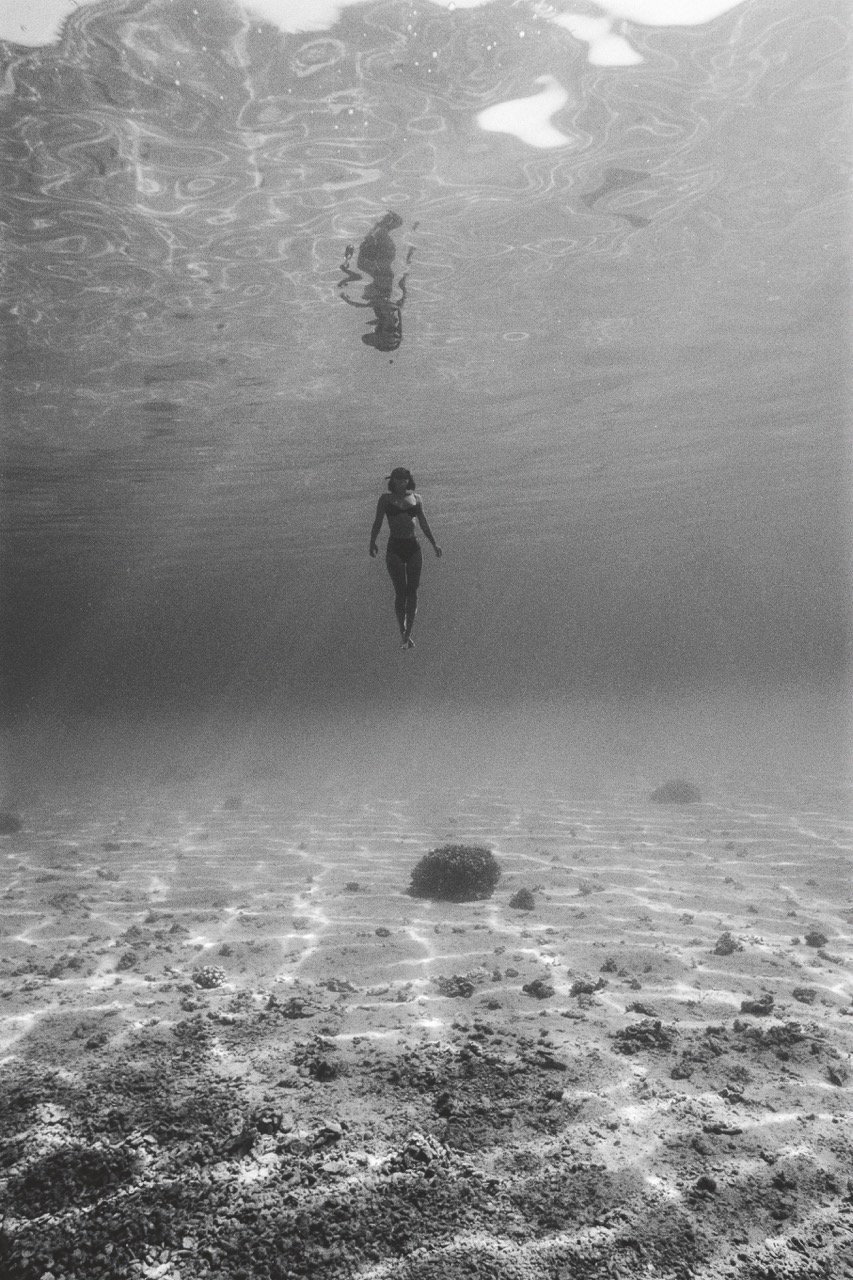
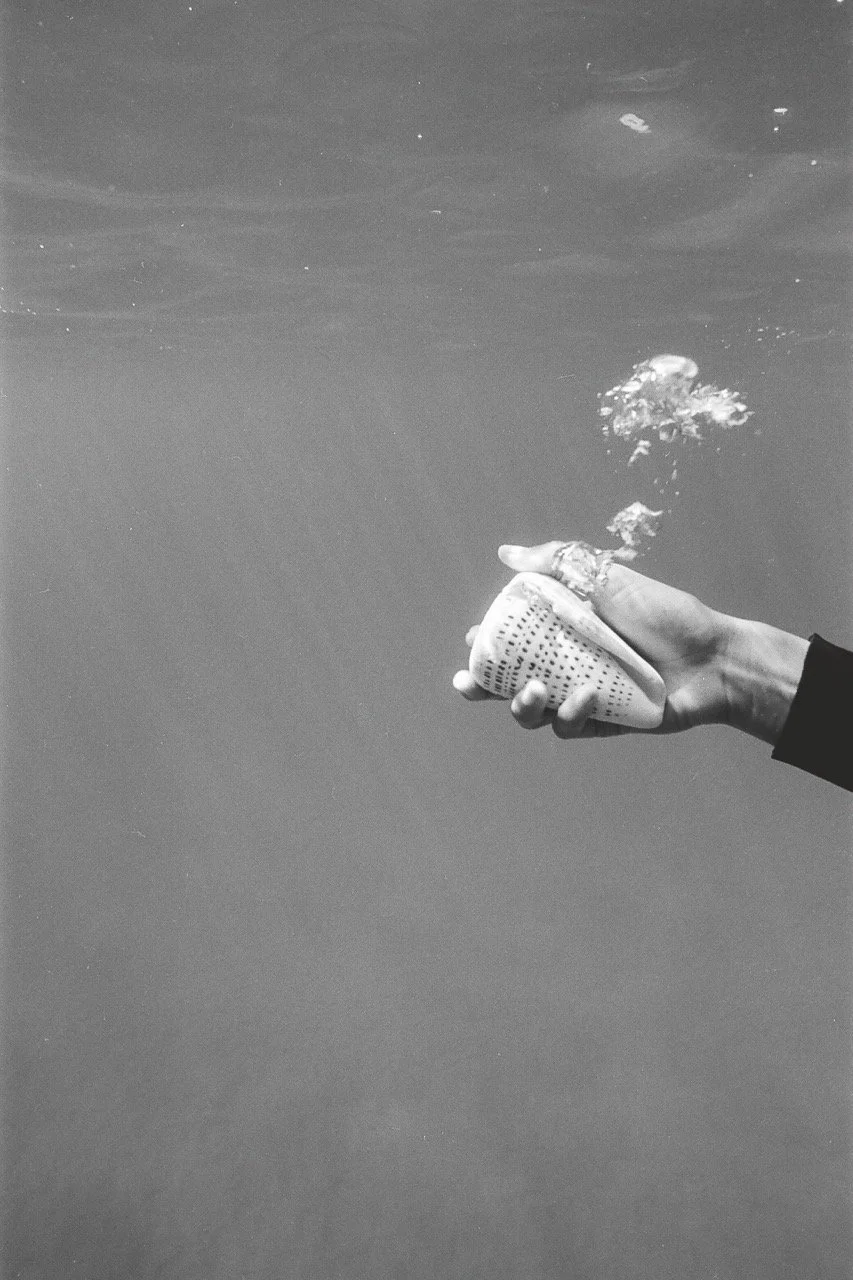
Why black and white?One reason is the limiting factor of color film. The color waves disappear as you descend down the water column. Longer waves like red and orange disappear first, within maybe the first 30 feet. Blue light is the least absorbed by water, so as you get deeper, it is really just monochrome blue. Shooting at the surface where there’s still a lot of sun can be quite nice, but unless you’re using a flash unit, there are no colors at depth.Personally, I find that when you are shooting the underwater seascapes in black and white, it sometimes takes the audience half a second longer to realize that the context is the ocean.
They're not given the immediate visual cue of the blue coloring to tell what environment it’s in. It makes people spend a little more time with the photo, to ask more questions. I think that black and white truly lends itself to the ethereal- and alien-ness of the underwater world.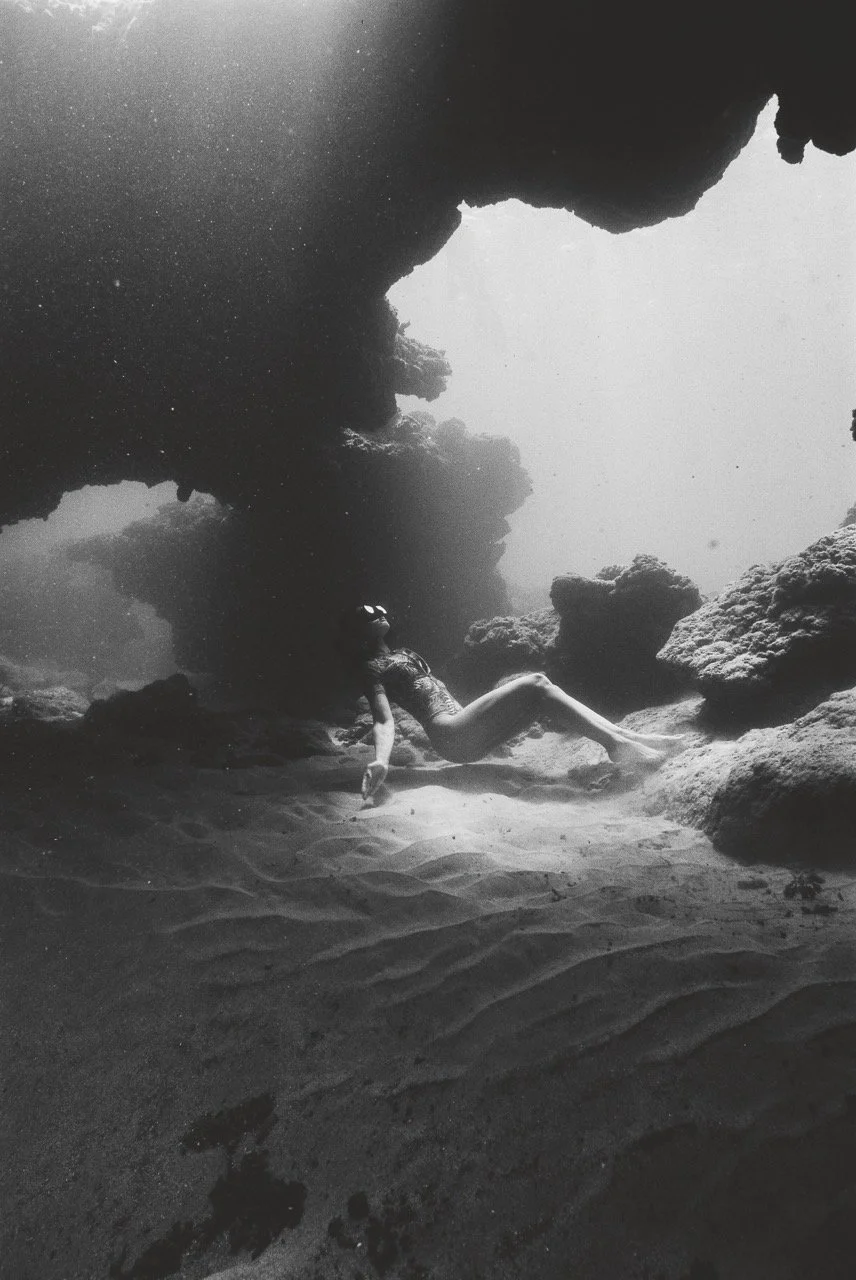
Out of the 36 exposures how many shots do you end up using or liking?Man, I’m happy if I get two or three. I mean, that end up being print-quality. I love a lot of them because they document my time in the water. But there’s a difference between a snapshot that serves as a memory, and a photograph that helps further your art. Dreamy, ethereal, otherworldly are all words one could use to describe your images. What do you want people to take away from your images?For me, having not grown up in the ocean, there were a lot of unknown elements going into all of this. There’s so much to learn, there is so much to see. It was kind of nerve-wracking, because I felt like I didn’t know anything. I hope to create work that inspires people to feel the awe and the curiosity, even from this environment that is very far removed from a lot of people’s day to day life. I think the ocean scares a lot of people, so I love any photo that can overpower that fear. And photos that inspire personal identification - that’s why shooting with freedivers can create really special photos, because it’s just a human body. You can look at it and think, “Ah, I have that body too”. I like the idea of inspiring people to see themselves in this other world.How do you feel underwater?You have to be very present, as you are on a single breath. When it comes to freediving, every decision is motivated by efficiency - the way you duck dive, the way you kick, the way you move. It becomes muscle memory, but the name of the game is conservation of energy. But you’re also in suspension, it’s such a unique feeling. Incorporating that with photography, when we’re shooting underwater, we’re not bound by gravity. So if I’m diving down, I’m taking photos while I’m upside down, I’m wedged between two rocks with swell coming in and trying to stabilize to take a shot. It’s a very freeing way of photographing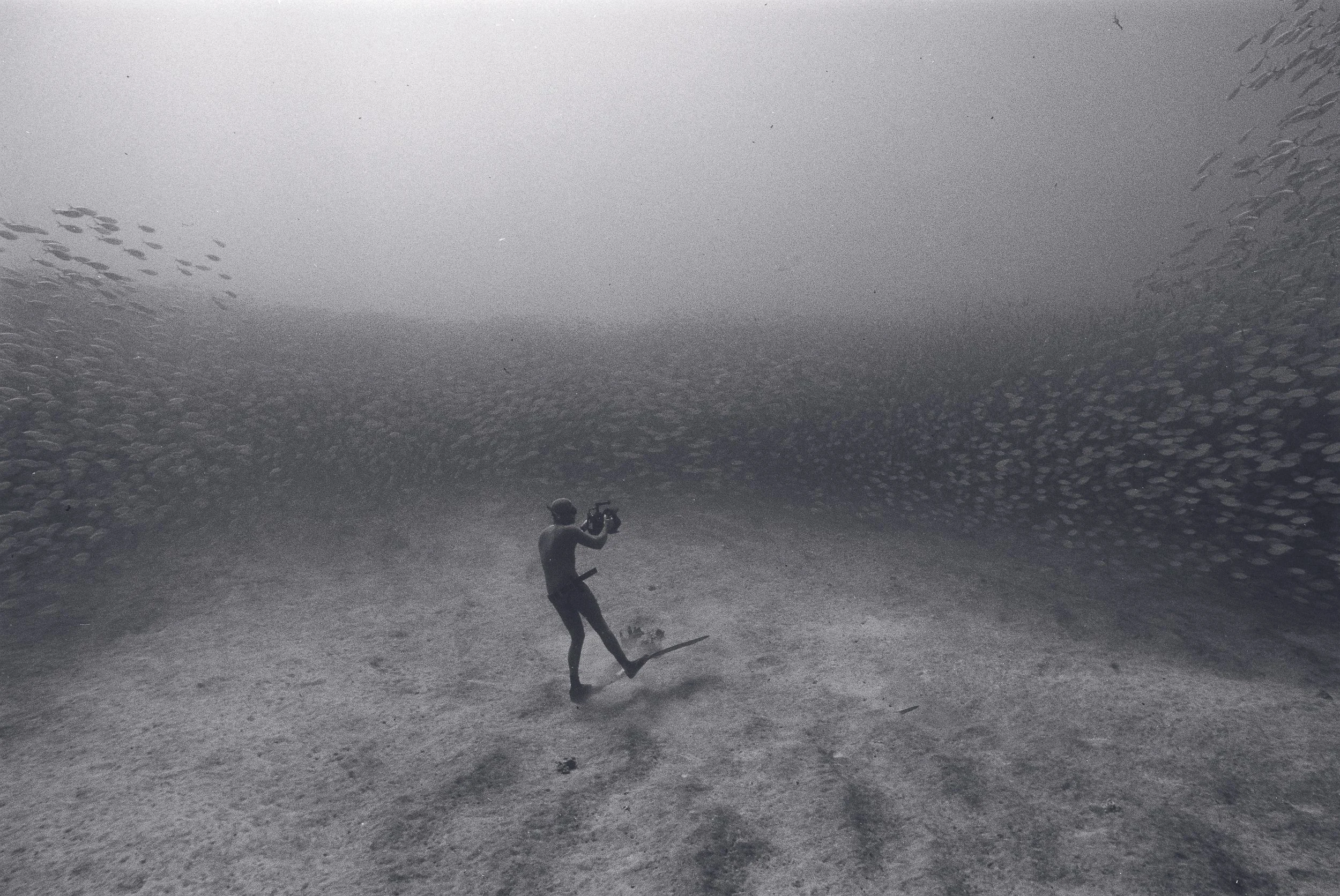
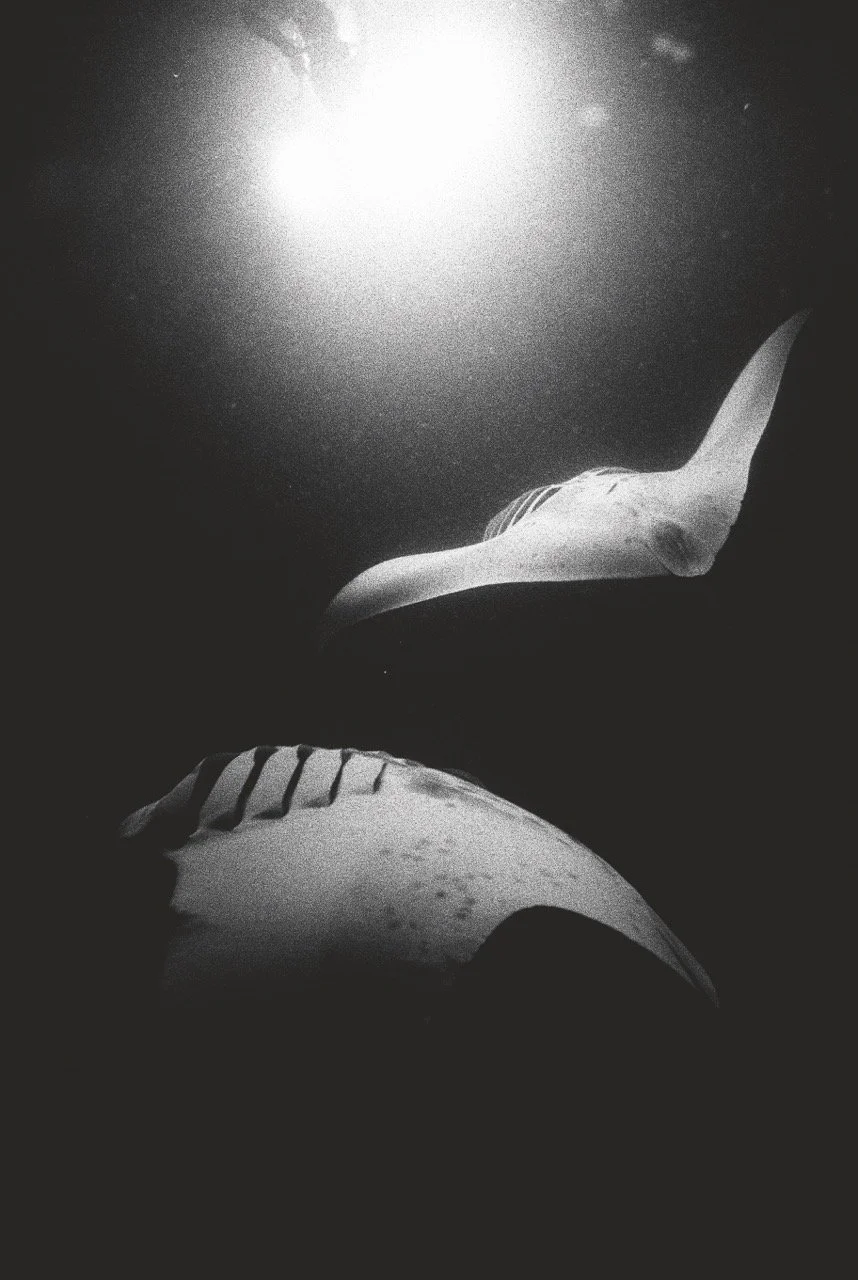
Do you ever dream that you're underwater?Yeah, definitely. I think all divers do though. There are certain things that I dream about, like the way a current pulls particles through the water, you’ll see flashes of things when they catch the sunlight. In my dreams, I see little blue scales, reminiscent of the rare blue sea glass pieces we’d find on the beaches back home. I dream about certain animals, recreations of moments when I’ve seen big mantas, or the pilot whales or sperm whales. In all my dreams where I’m freediving, I still know that I’m on a breath hold, and sometimes I wonder if I weren’t a diver, maybe I could have underwater dreams but not be on a breath hold. But it’s like my body knows.A couple months ago, my dad told me he had a dream about being underwater, and he’s scared of the ocean, but he told me the dream was in black and white. He said, “I think it’s from looking at your work for so long”. He said he saw whales. I’m kinda jealous.Any advice for someone who may want to get into underwater (film) photography?The thing that matters the most is water comfortability and water confidence. Being able to be in the water and know how your body will react to the waves, the temperature, the swell, the current, and knowing the tiny movements to get yourself in the right position. Any sort of diving is muscle memory of doing the same things over and over again. In freediving, the more you relax, the deeper and longer you can go. If you’re in the water and you’re feeling really tense, that’s going to show in your photos. If you put in the hours being in the water, without a camera just getting to know how your body feels in the water, that’s what's going to help you be comfortable adding a camera into the mix and taking photos.Anything else to add?I'm a really really sentimental person, a really really emotional person. I think that bleeds over into the photos that I take. I romanticize the hell out of freediving because it feels like this very special, almost magic, thing. And I want to make photos that communicate how freediving feels in my brain and in my body - this fantasy of being so connected to ourselves and the natural world around us. Those elements of fantasy and dream are very important to me.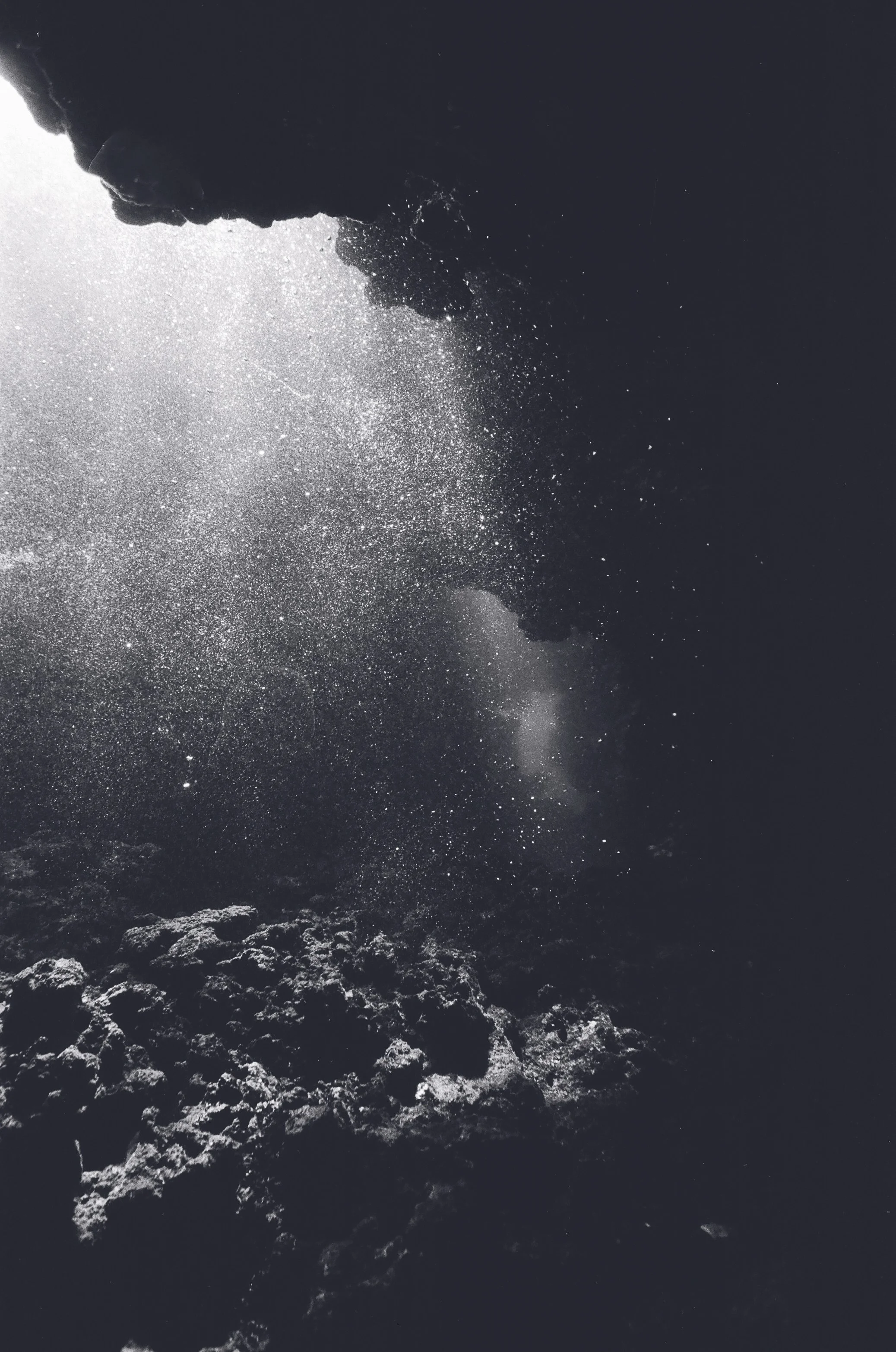
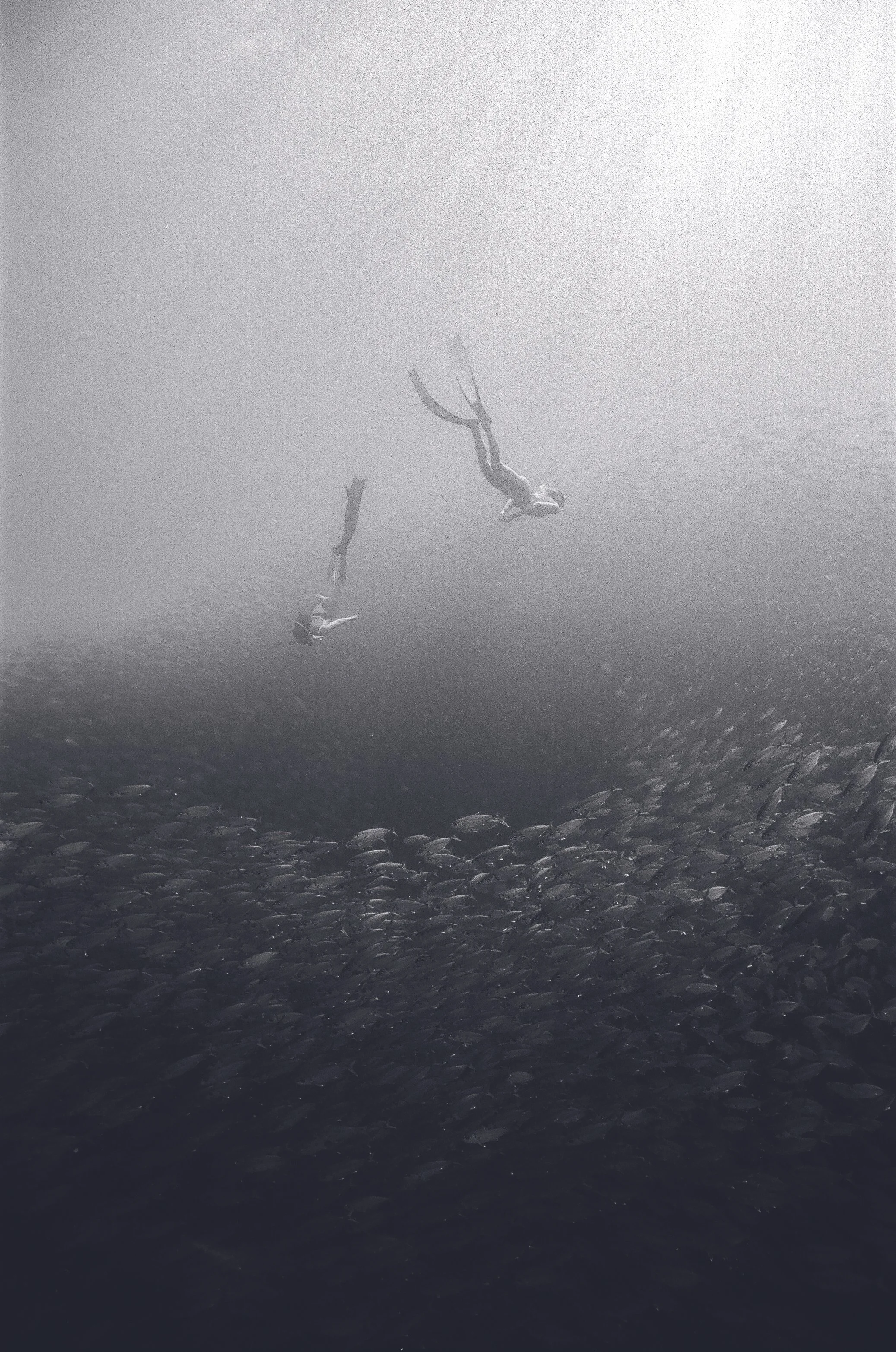
@cassec0u
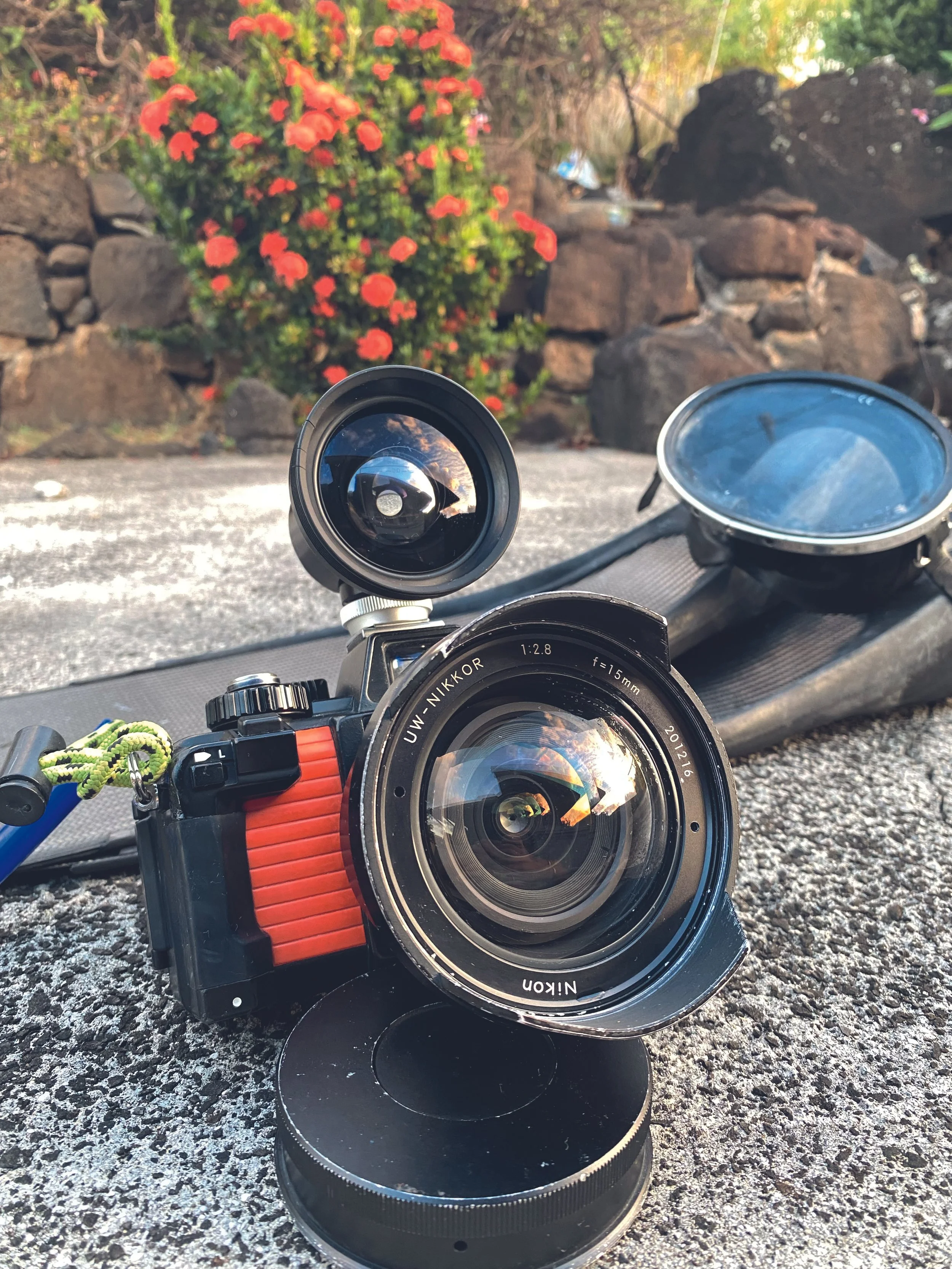
The Nikonos camera was originally the Calypso named for Jacques Cousteau's submarine. He is the first one to innovate this self-contained amphibious camera. It's waterproof through a series of interior O rings, so it's the first camera that you can just drop in the water. It was the first one of its kind on the market. To reach a wider audience, they sold the design to Nikon and Nikon came out with the first Nikonos in the 1960s. They then released the whole series of progressively more sophisticated Nikonos. The IV is the first one with an electrical component. Many people know the V with the orange and green body.
originally published in print in THE DREAM ISSUE #10, Fall 2024