
David Manski
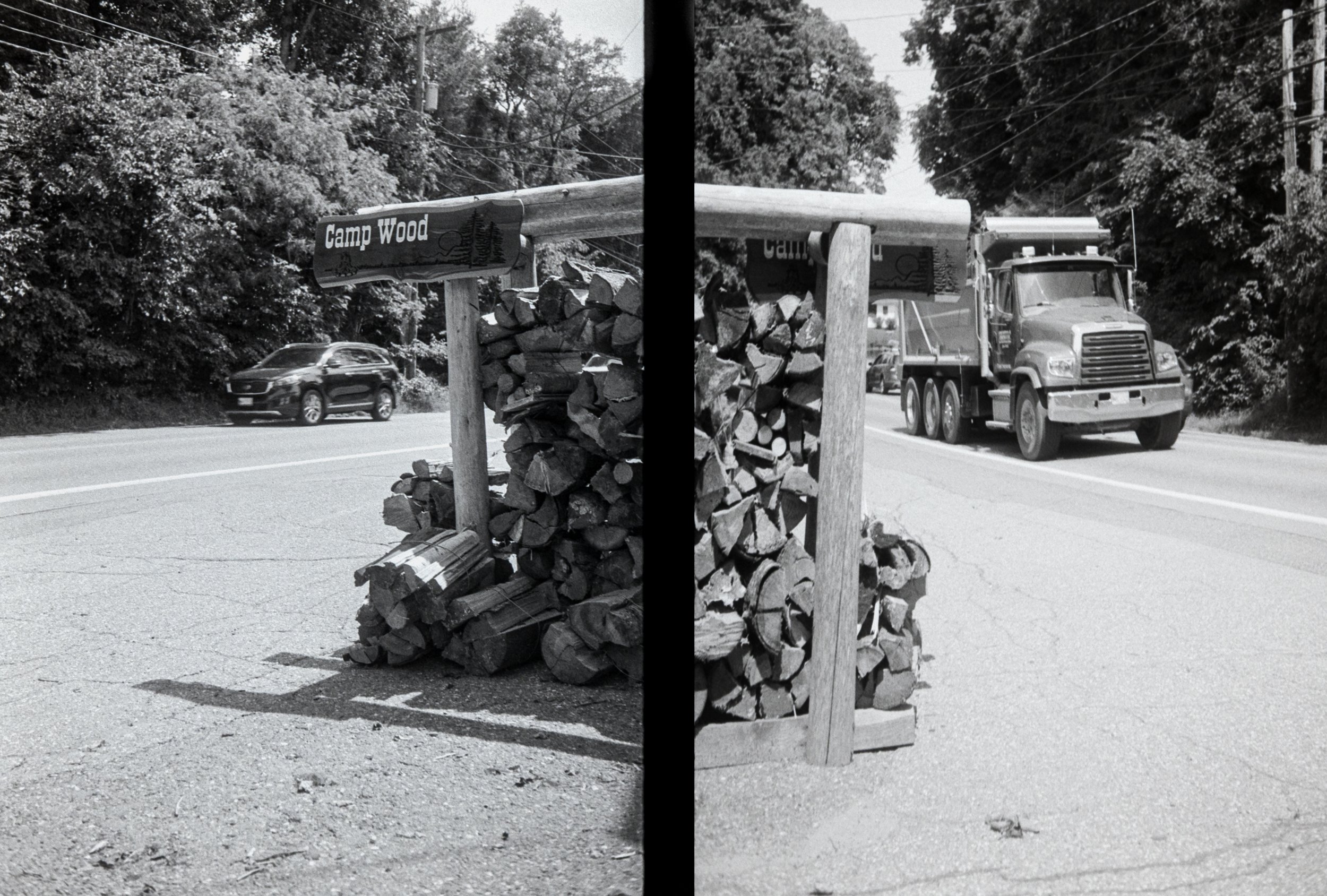
Camp wood
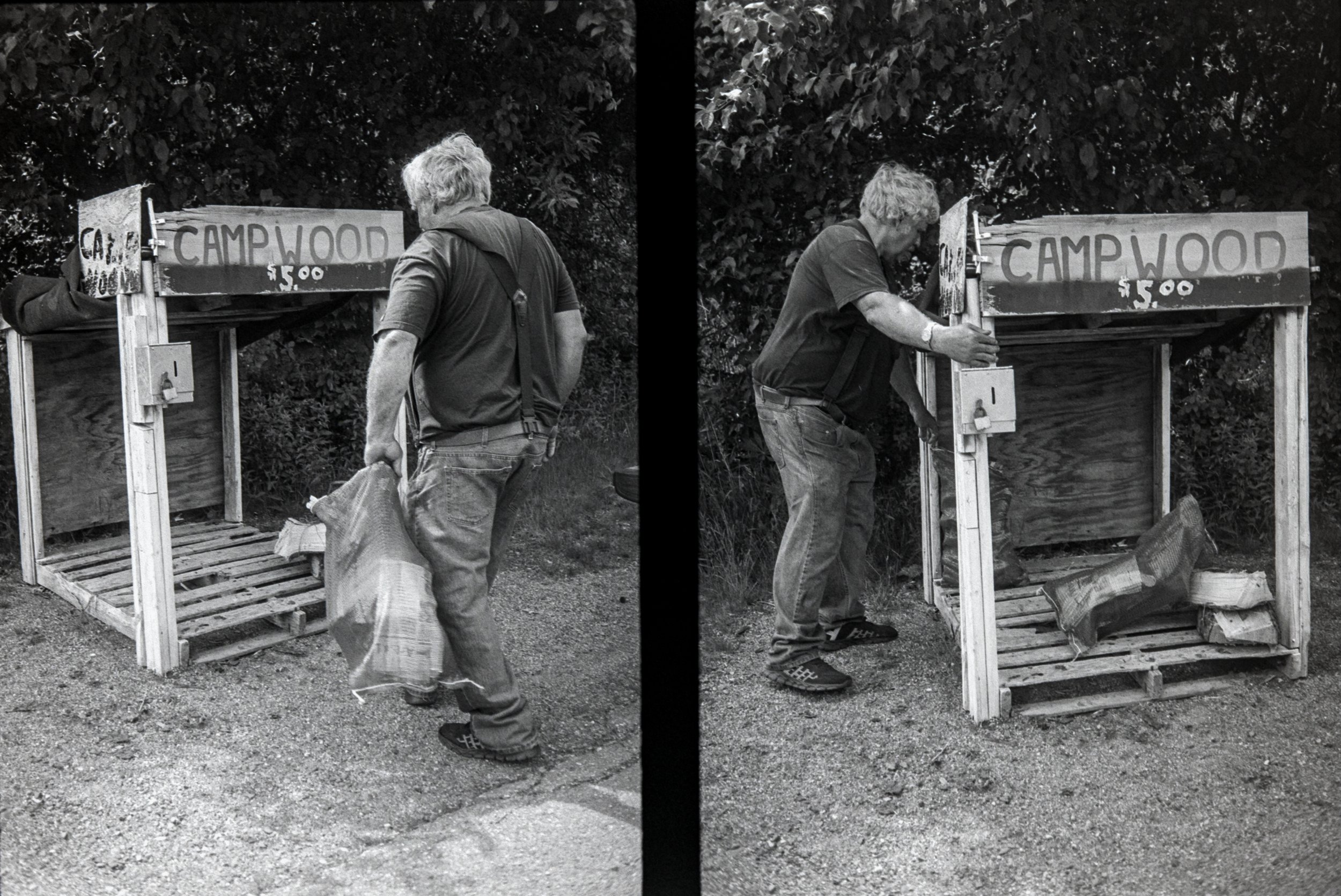
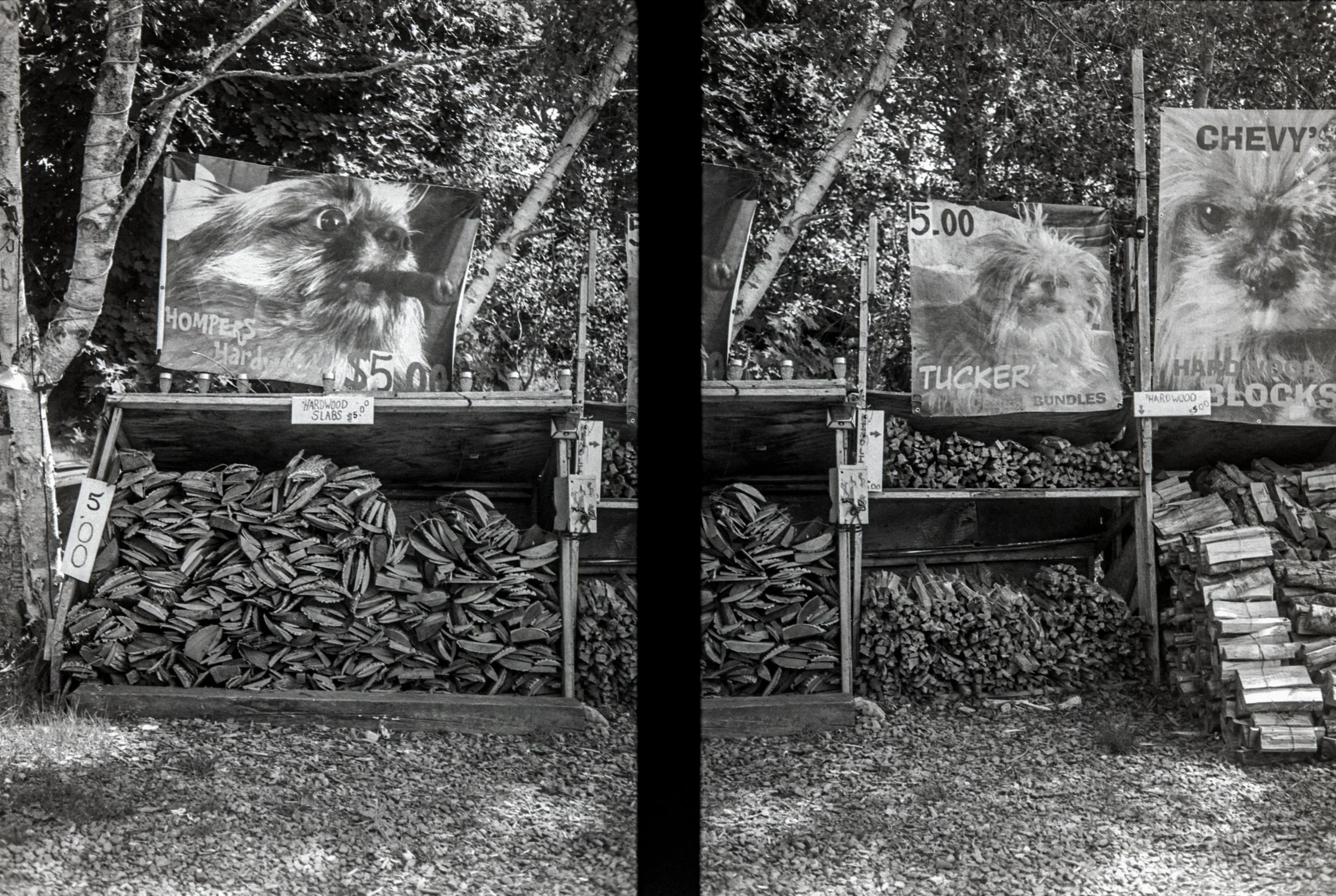
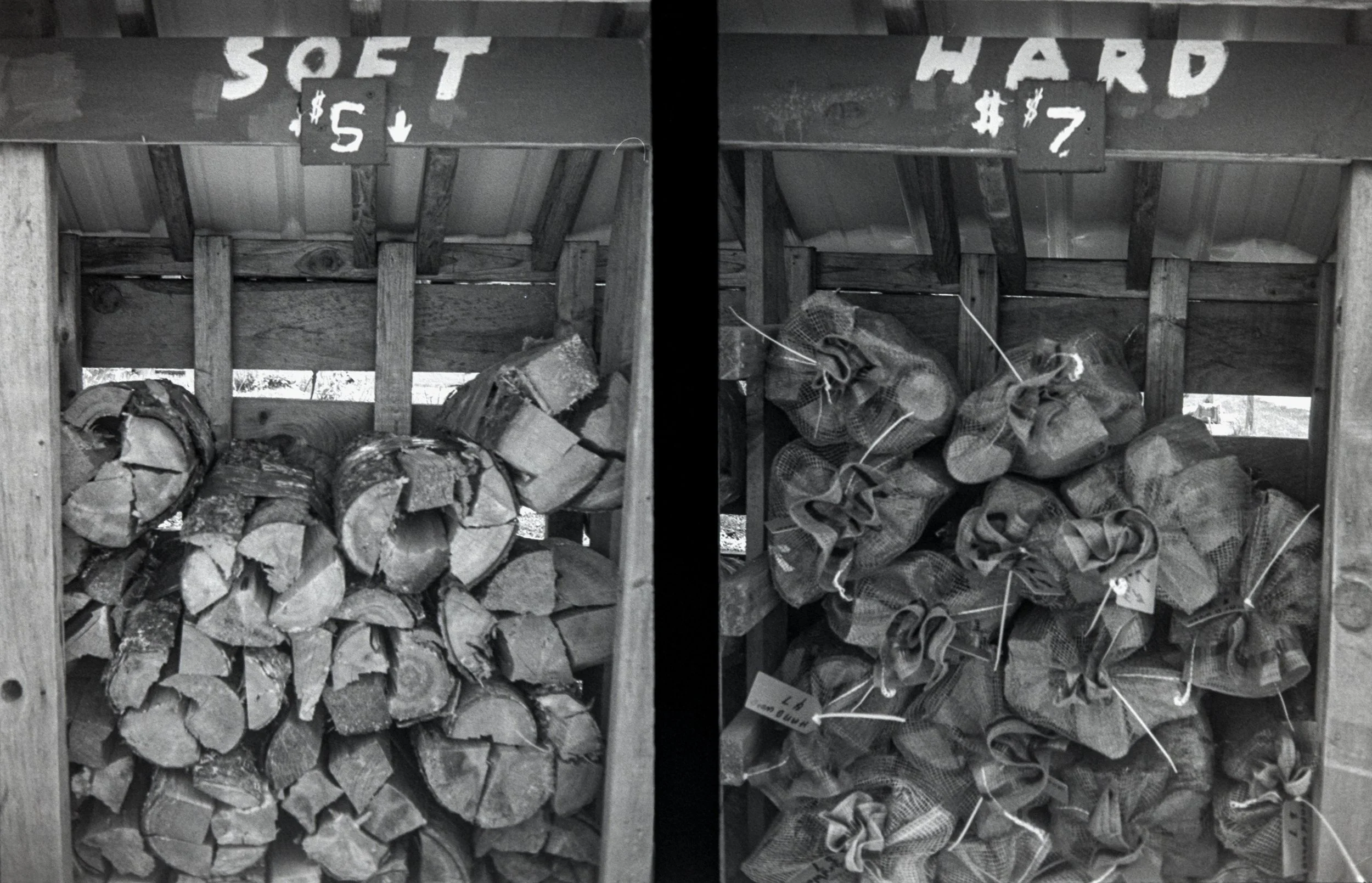
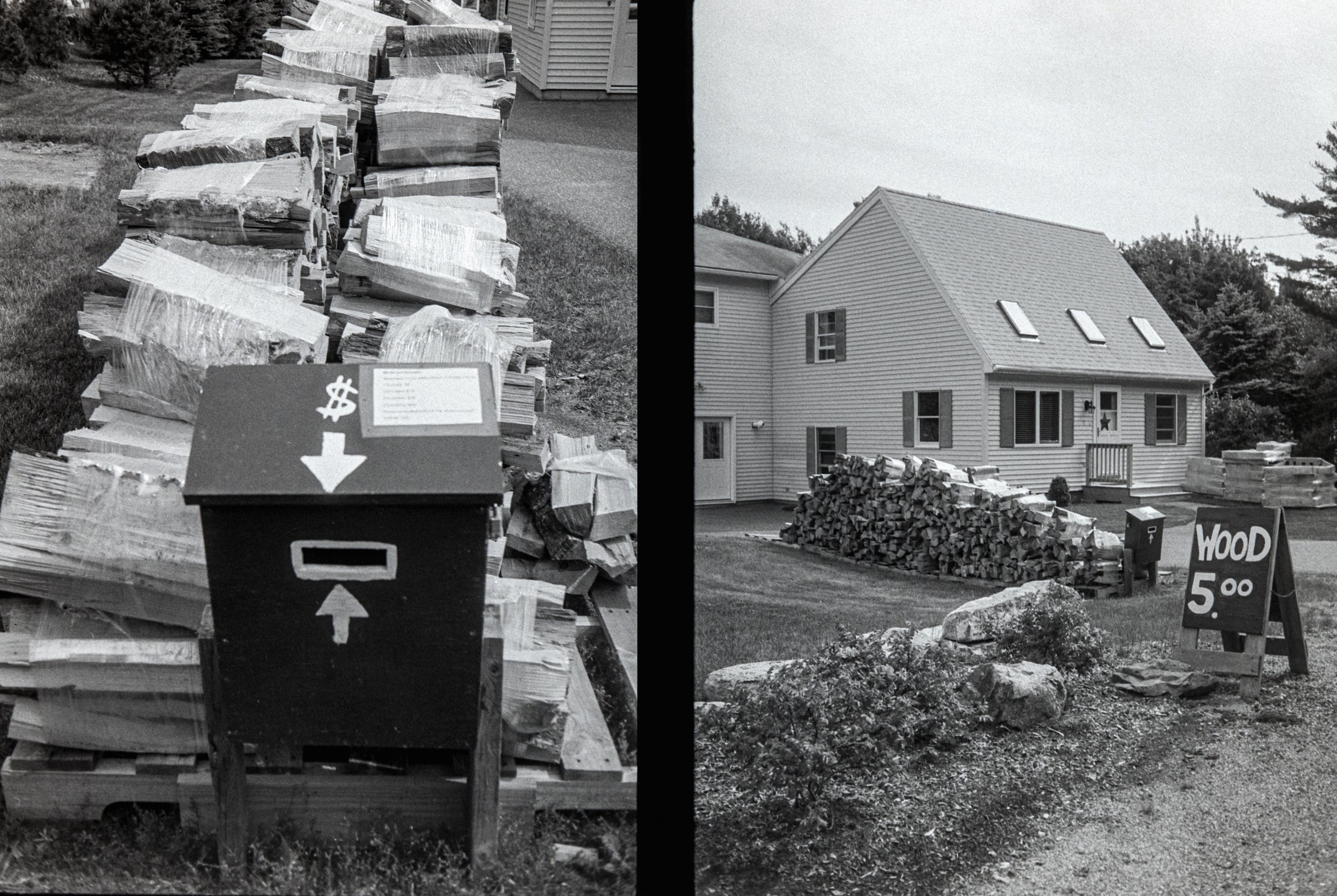
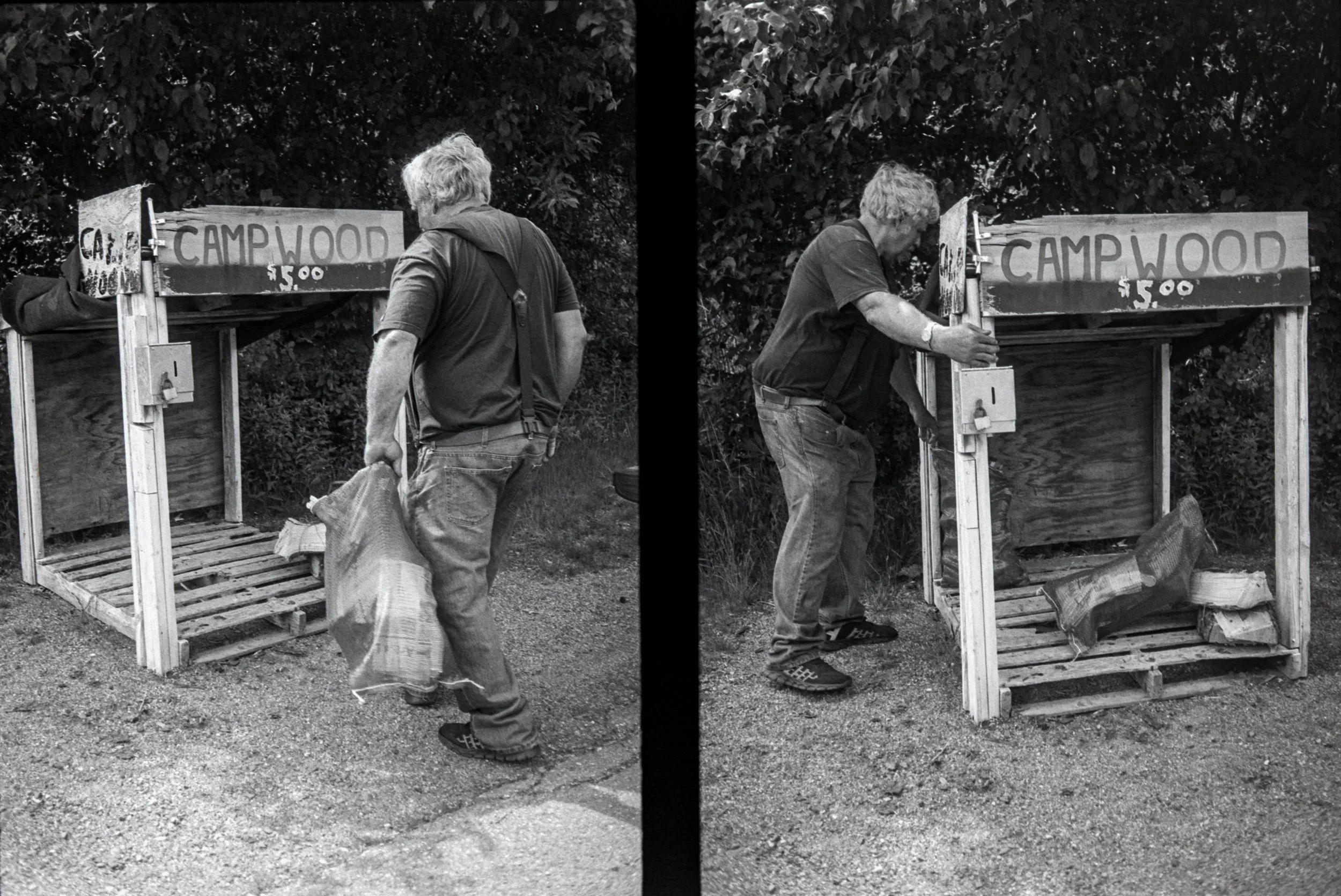
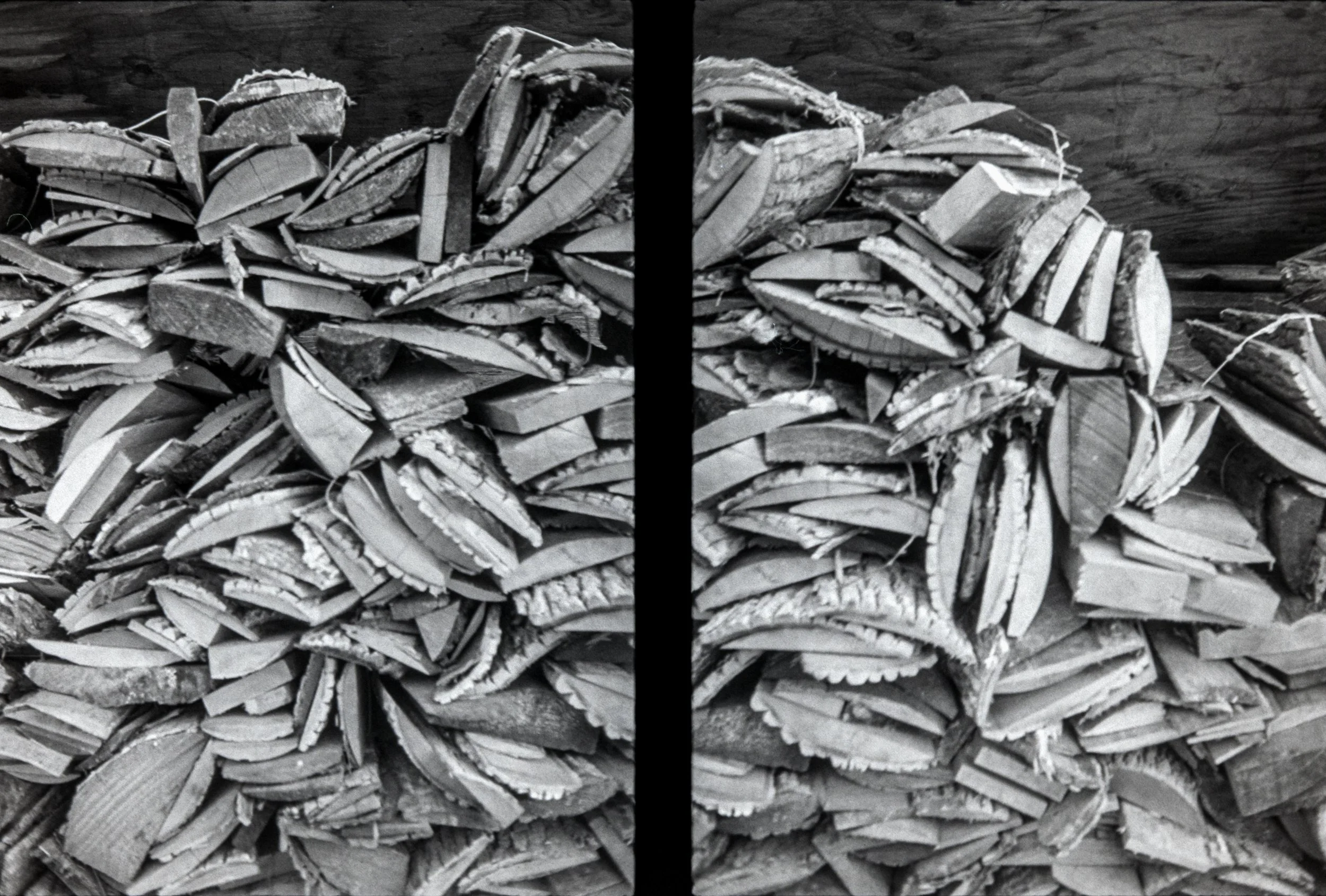
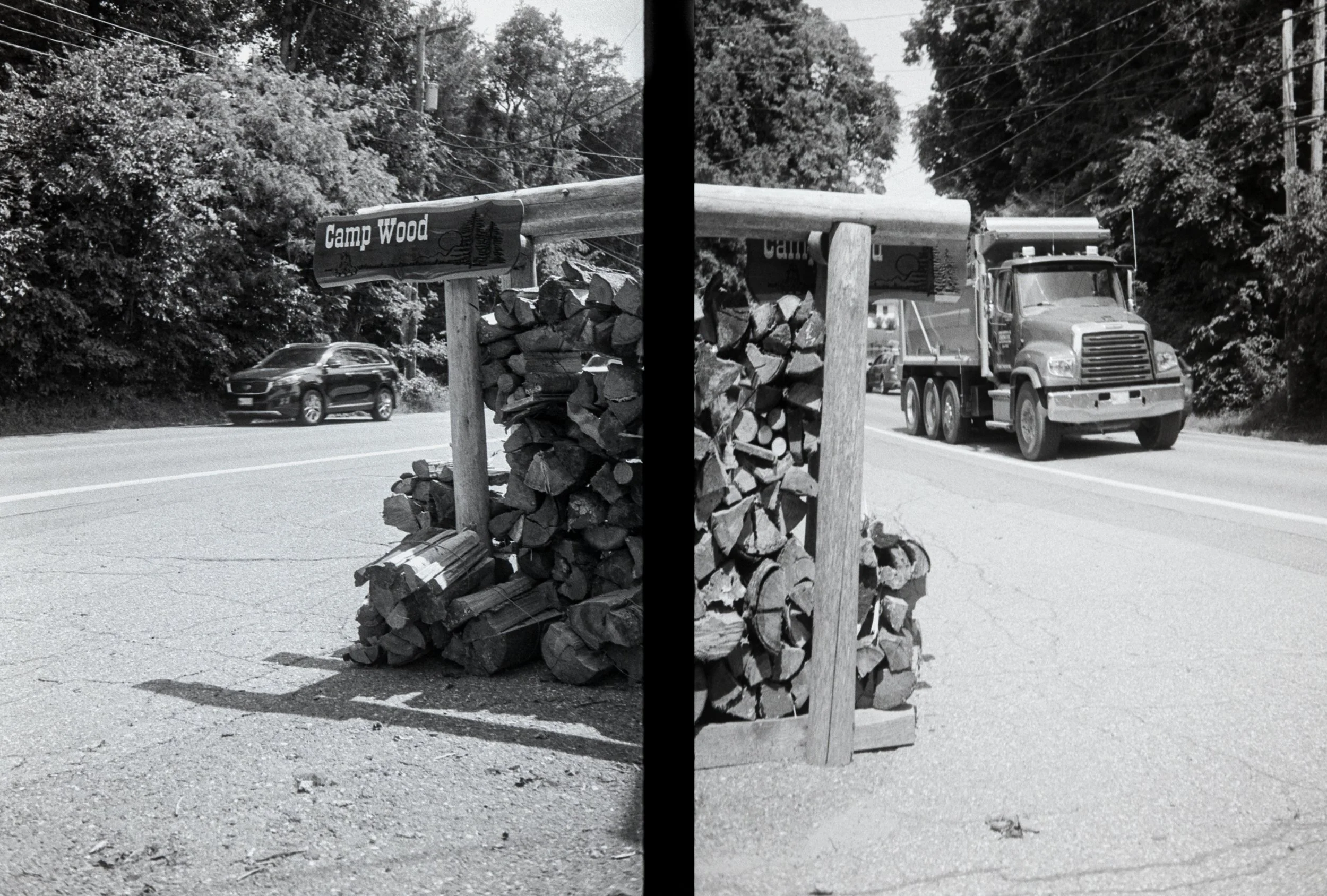
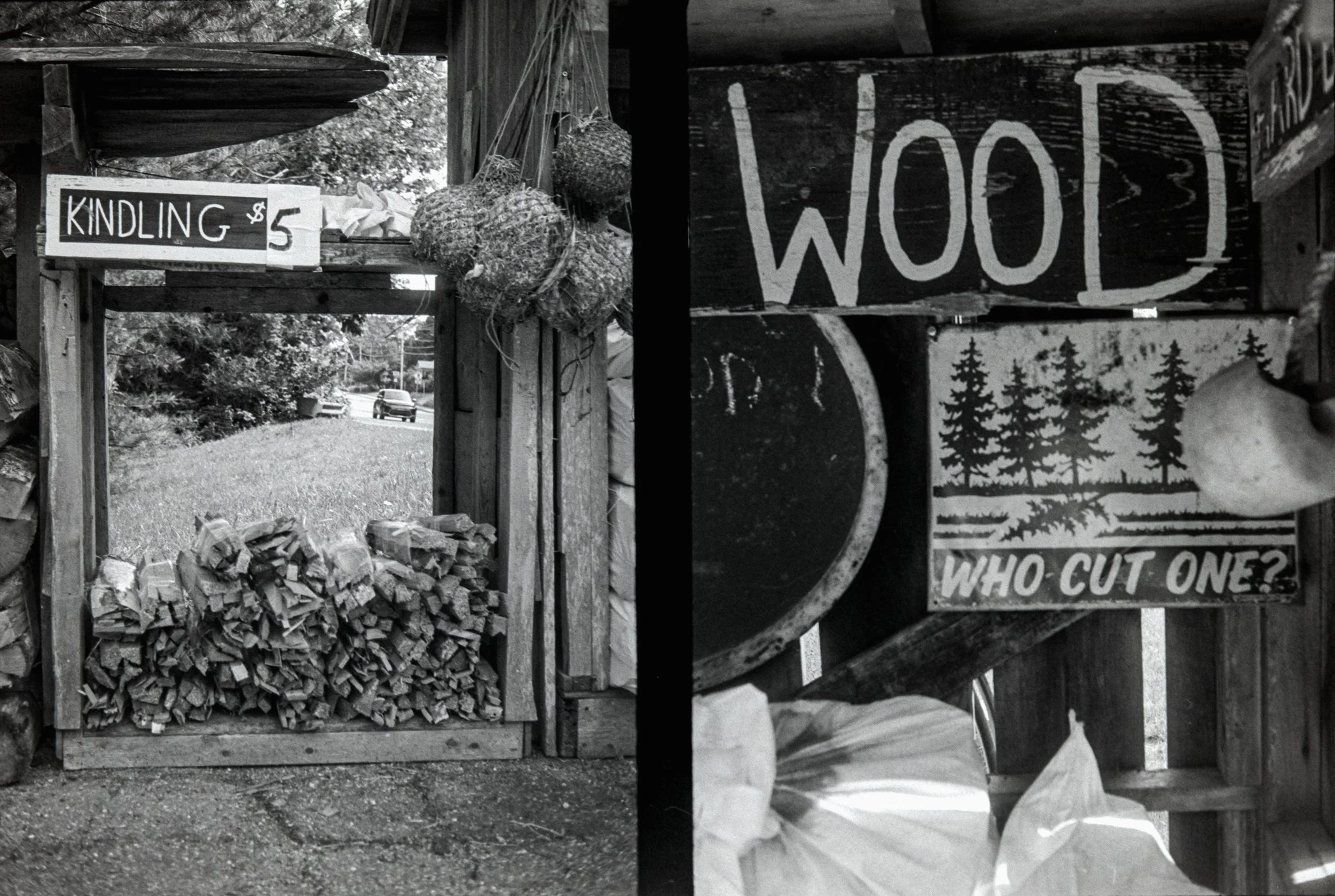
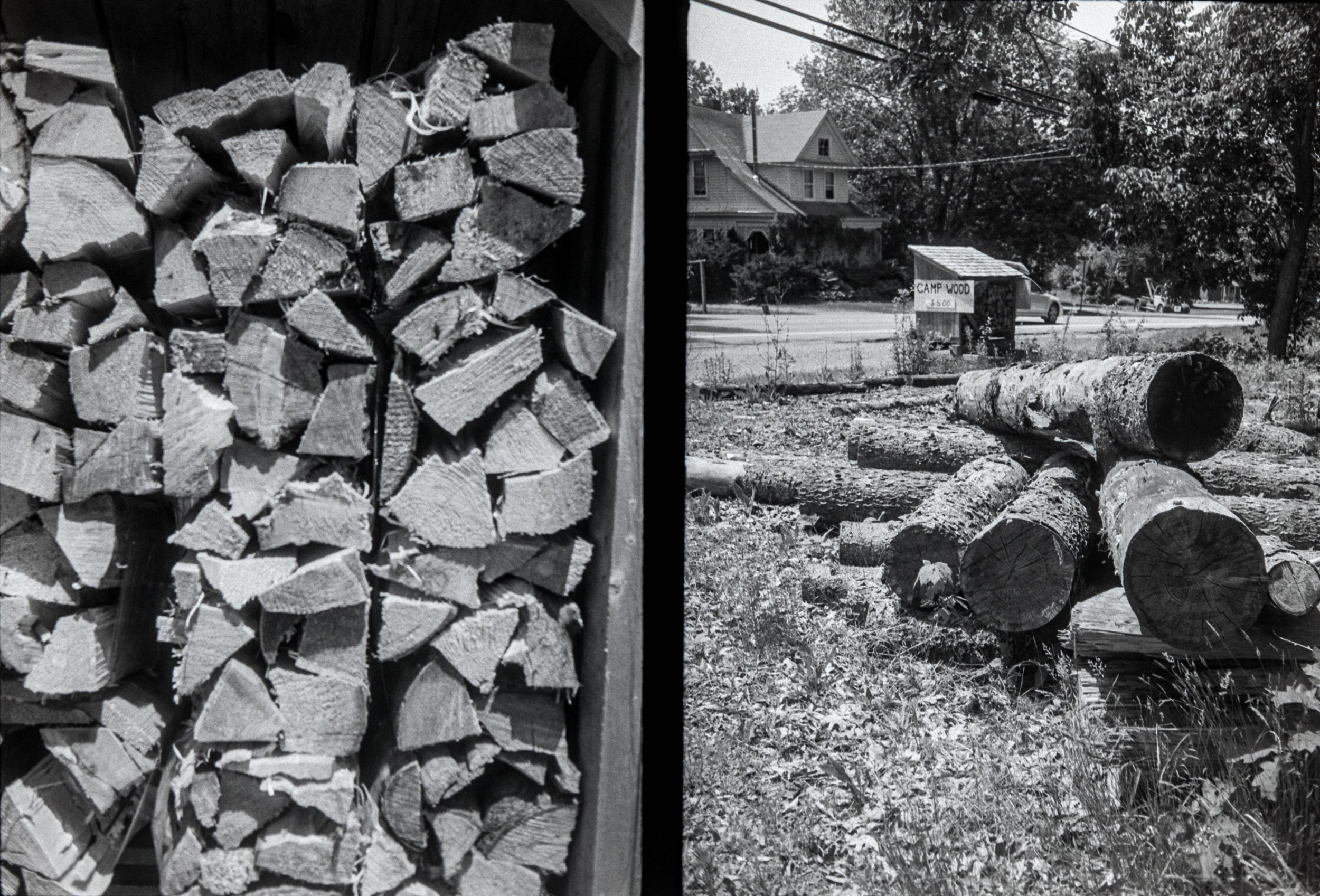
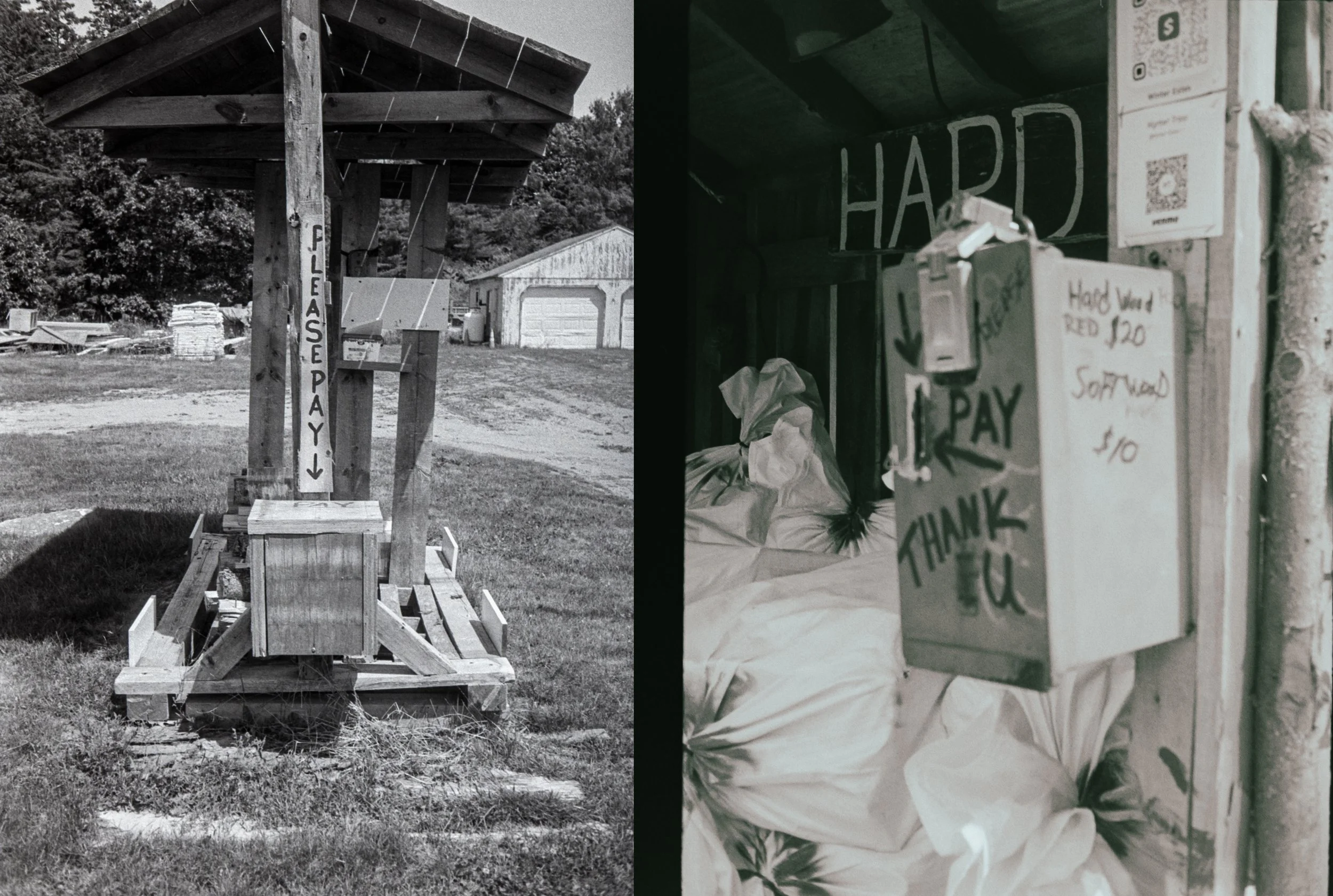
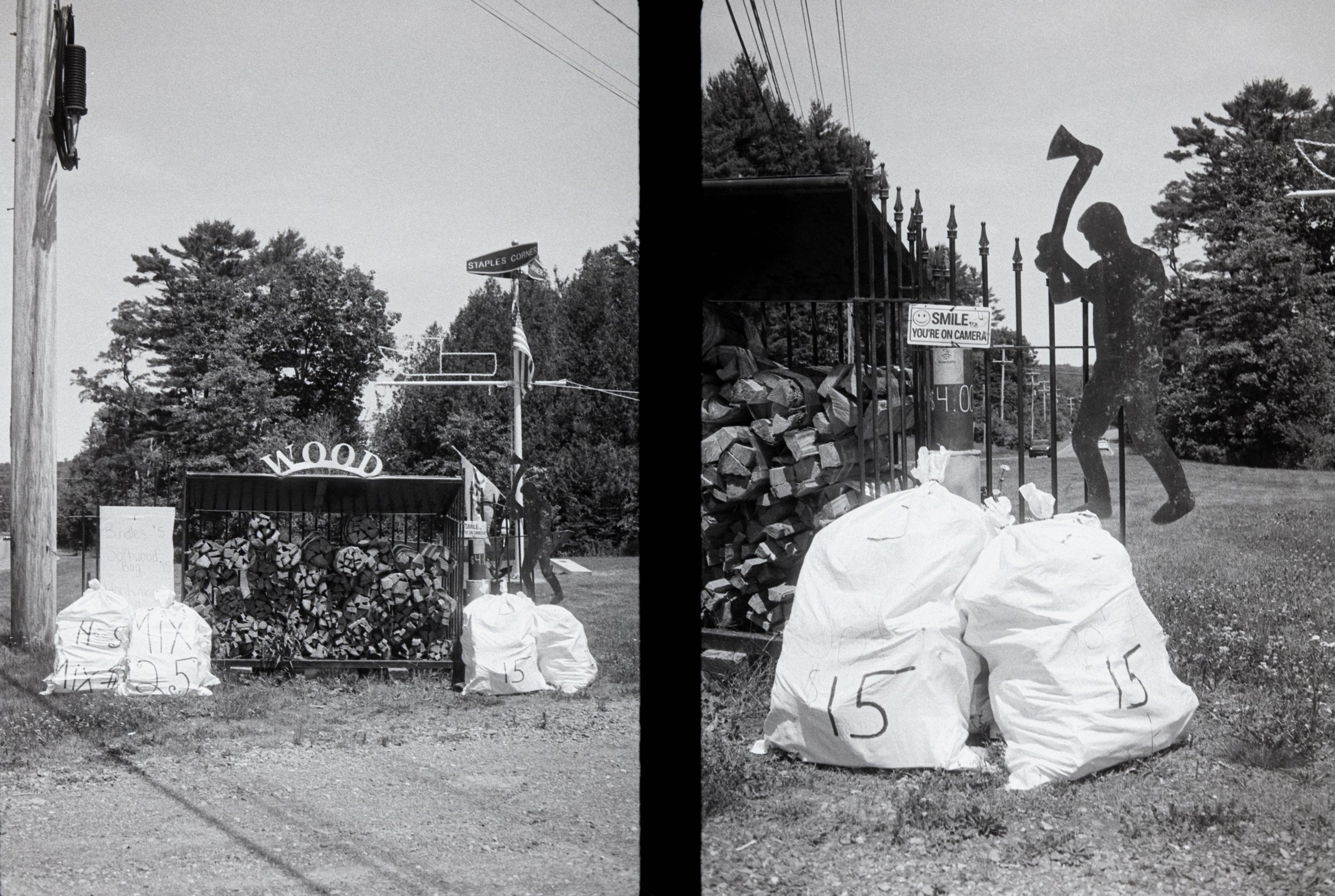
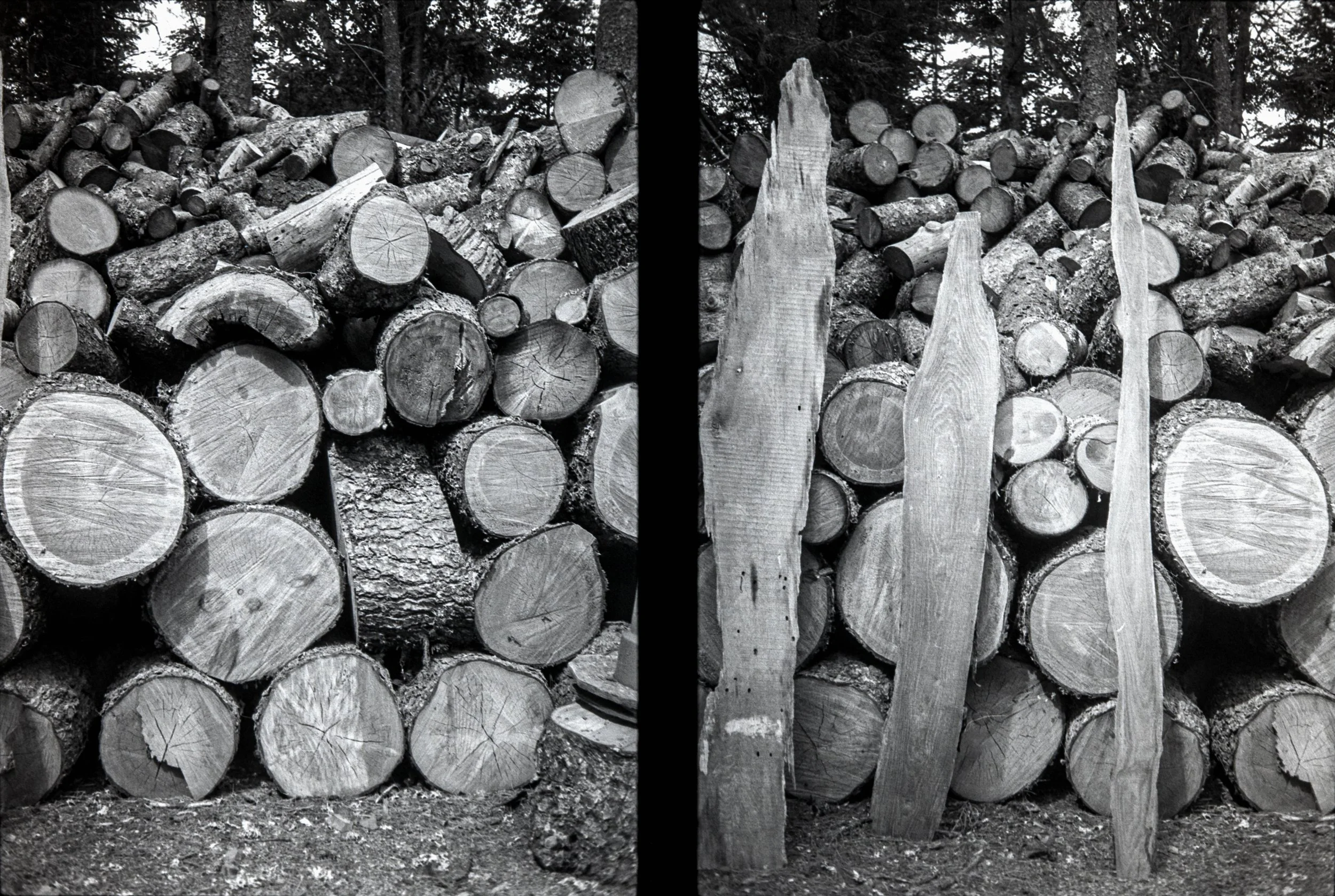
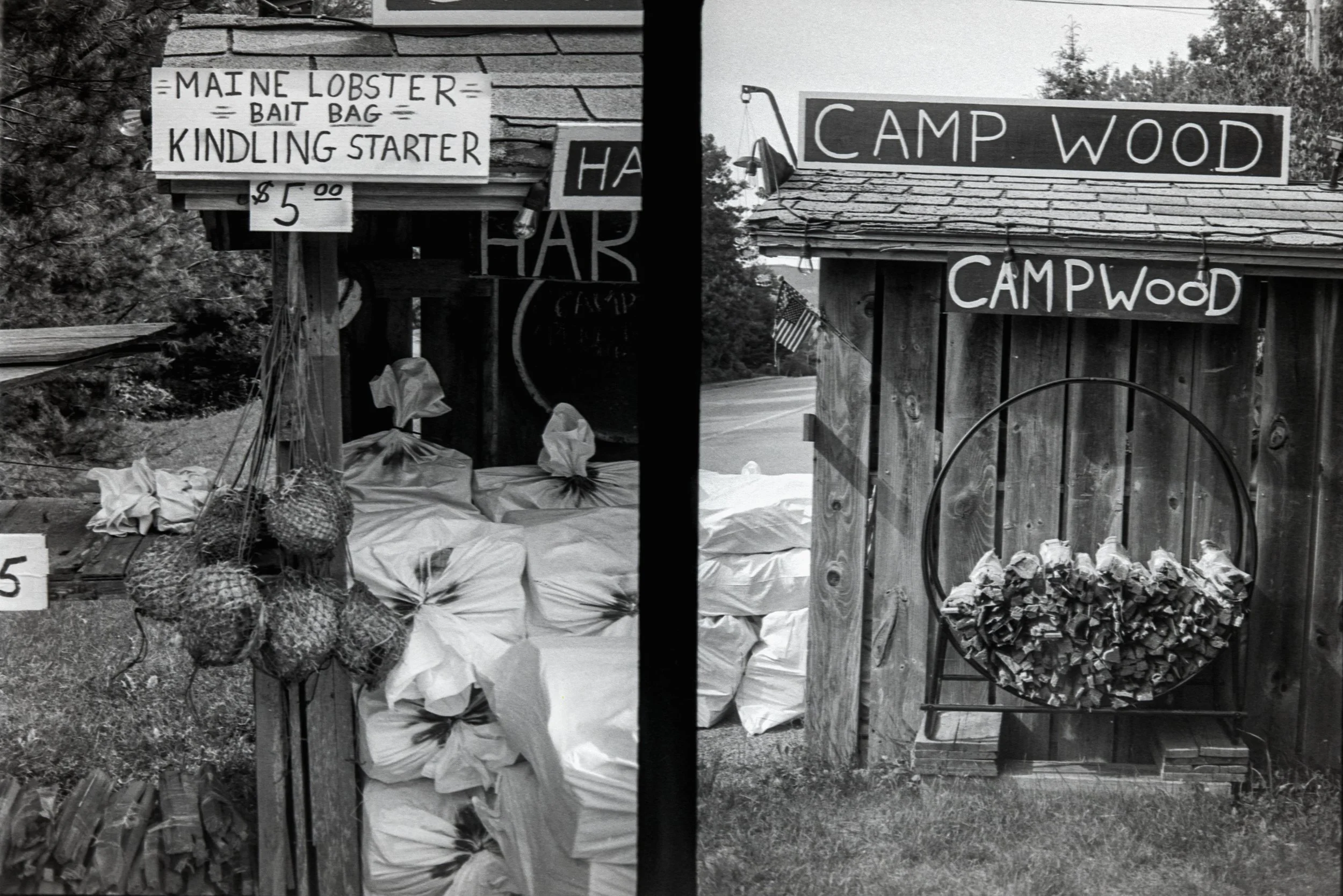
For generations, Mount Desert Island, Maine has drawn millions of summer visitors seeking the natural beauty of Acadia National Park. Among the locals who quietly shape this seasonal economy are those who sell firewood from hand-built roadside stalls, an enduring annual tradition. I've been documenting this enterprise with my Olympus PEN EE3, a half-frame 35mm camera that produces diptychs. This format feels right for the project: each diptych creates an intentional dialogue between images, inviting viewers to contemplate the relationship between two moments rather than just one.
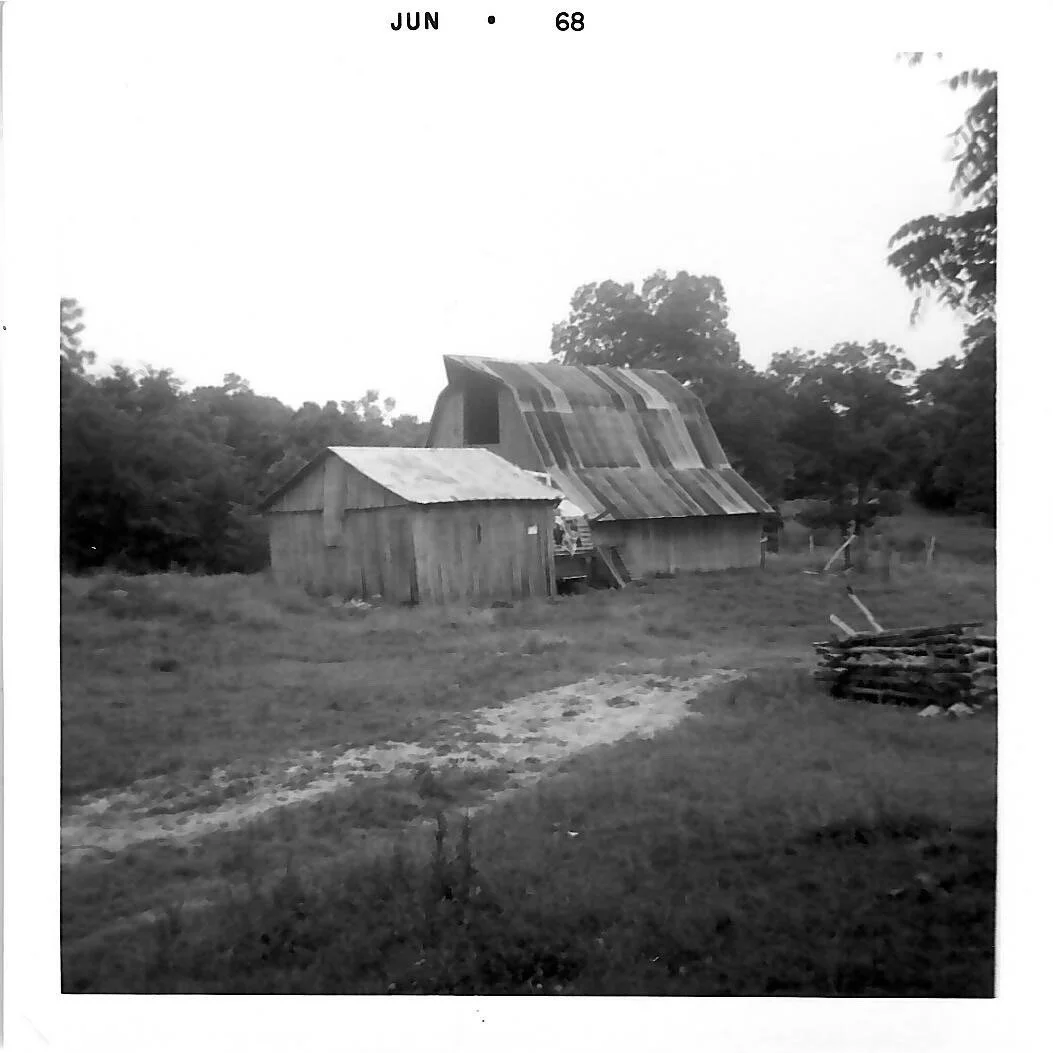
The “Found” black-and-white photograph of a barn** and farmstead immediately resonated with me. There is nothing dramatic about the scene; weathered outbuildings, an overgrown field, a pile of logs left at the edge. Yet that quiet rurality is exactly what drew me in. The image conveys a life sustained by physical labor and resourcefulness, and it evokes something I recognize in my own subjects: the firewood seller who builds anew or sets out their roadside stall each spring, stacks the wood, and receives a modest price for their labor. Whoever photographed that barn understood that this kind of agricultural landscape deserved to be documented.
Camp Wood is an attempt at that same attentiveness - to pay witness to something so ubiquitous on Mount Desert Island that it risks going unseen. Just as that found photograph dignifies an unremarkable farmstead by virtue of someone having stopped to photograph it, I hope my diptychs of roadside stalls and their makers honor the entrepreneurial spirit and quiet self-reliance of our island's residents.
** issue 13: recollection is pamplemousse’s first ever submission-based issue. Inspired by found vernacular photographs and the act of collecting them, this issue explores themes of memory, family, identity, and personal history. This issue invites the reader to consider the history of photography as a whole, its role in the everyday life of the “amateur,” its use as a tool for creating “fine art,” and where those lines blur. Pamplemousse provided a collection of “found” images for artists to respond to.
David Manski is a trained conservation biologist. He worked for 35 years with the US National Park Service and consulted internationally on protecting parks and nature reserves. Now retired, he remains an active and keen documentarian, recording his surroundings through observation, citizen science, and photography. Through his photographs, he seeks to capture the beauty and mystery of the people, culture, and nature of the places where he lives and travels. He makes his home in Bar Harbor, Maine, USA.